12 panels · Automated checks complete
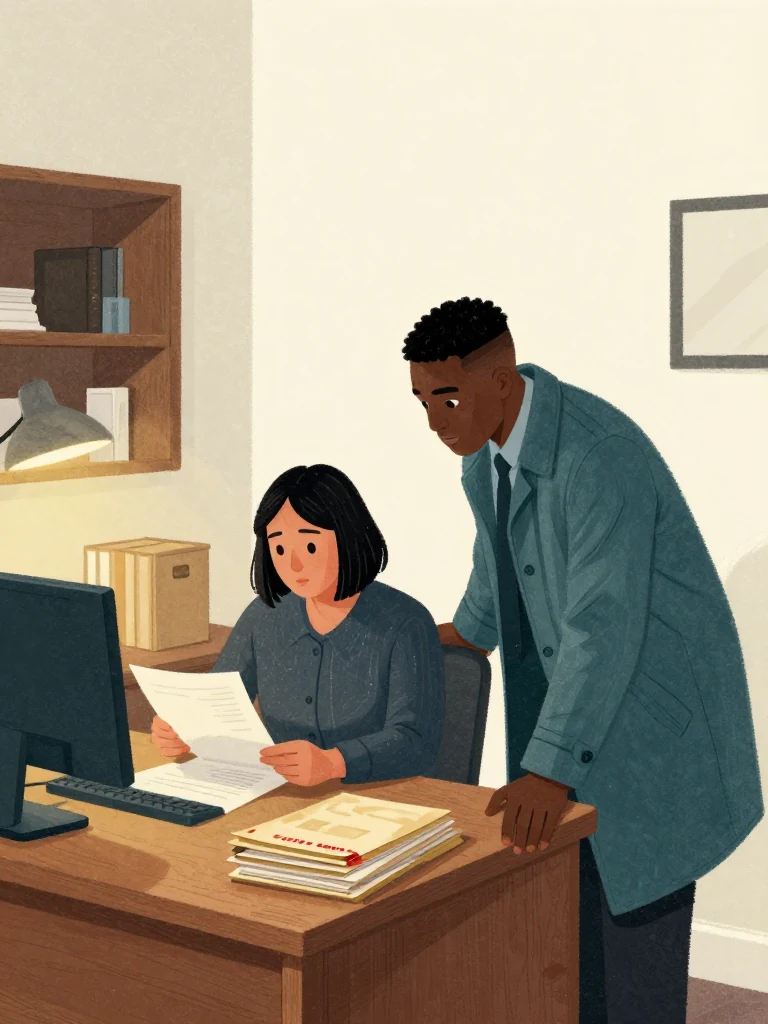
Eight days after the clearance paused, an expert report arrived at the corner office by recorded delivery, and Hana read it twice before she let herself believe what it was doing.
Independent letterhead. Immaculate method. Forty pages re-examining the Okonkwo fire and finding, with regret and rigor, for arson. And threaded through its reasoning, rebuttals — precise, pre-emptive — of positions Hana had filed in the appeal record and argued nowhere else on earth.
She annotated the margins in pencil, the way Finch would have.
"It answers arguments I made nowhere except the record."
Sam read the flagged pages over her shoulder and swore softly in two languages.
"The letter again. Bigger suit."
"The letter failed, so he bought a voice with credentials. Legitimacy is just correspondence with a letterhead."
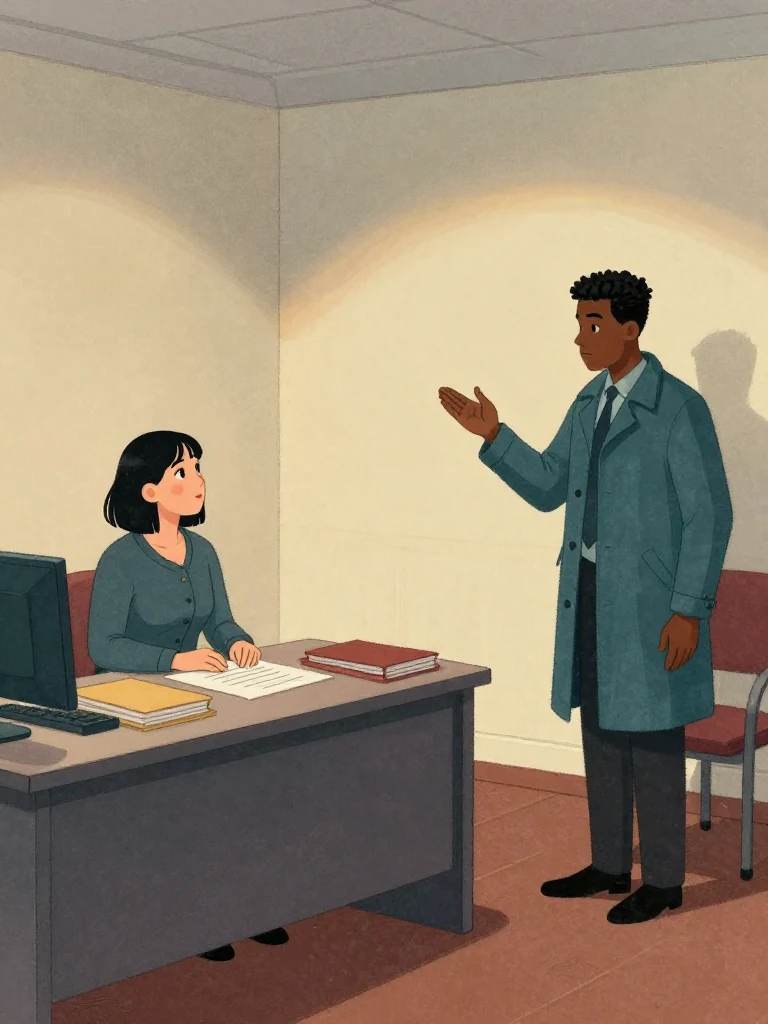
She spent the evening before the session rehearsing with Sam as her panel — he read the chair's lines with relish and dismissed everything she said, which turned out to be excellent preparation.
"You're going to lead with the anticipation thing."
"It's true."
"True's not the test, boss. You taught me that. Planted, insufficient alone, jointly sufficient — where's your jointly?"
"Forty-eight hours behind schedule. But the room needs to hear the true thing said once, on the record, even if the room kills it. Especially if."
"Why?"
"Because when it turns out to matter, the minute-book will show who said it first and who laughed."
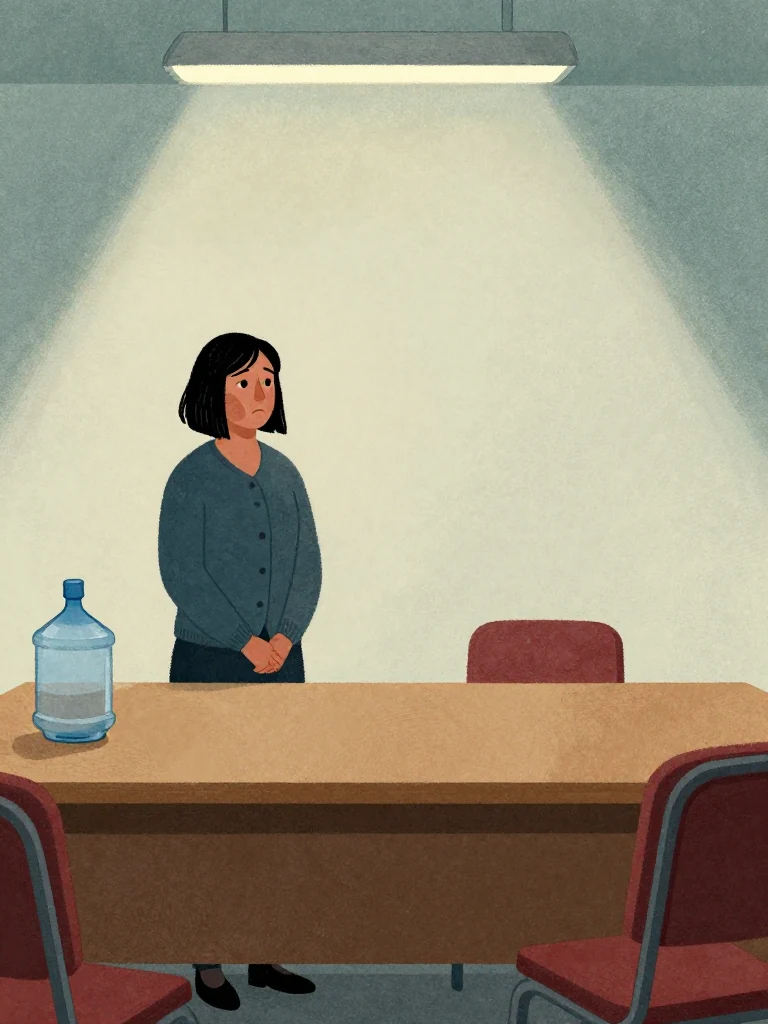
The review session convened in Alderline's hearing suite on a December morning — long table, minute-taker, a water jug nobody would touch for two hours. Hana went in with the anticipation argument because it was true, and watched it die in official acoustics.
"You contend the report anticipates you."
The panel chair held her annotated copy at arm's length.
"Experts anticipate. It's the job."
"It rebuts filing-specific positions. Paragraph nine answers a pagination argument I made only—"

"Anticipation isn't authorship, Ms Cho. Not in this room."
And then Alderline's counsel, mild as milk, read the ep-003 note into the record — representative declined to identify analytical source — and let it sit there, doing its quiet work on every face at the table.
The session adjourned with closure listed for the resumed date. Someone's press office had a clipping online by evening: FIRED ANALYST'S CLAIMS CRUSADE FALTERS. Cheap newsprint syntax. She filed it in the case file, between the warning letter and the report, because her failures were evidence too.
Sam watched her pin it.
"You're calm."
"I'm mapped. There's a difference. We know exactly where it failed: the room needs material, not reading. Forty-eight hours."
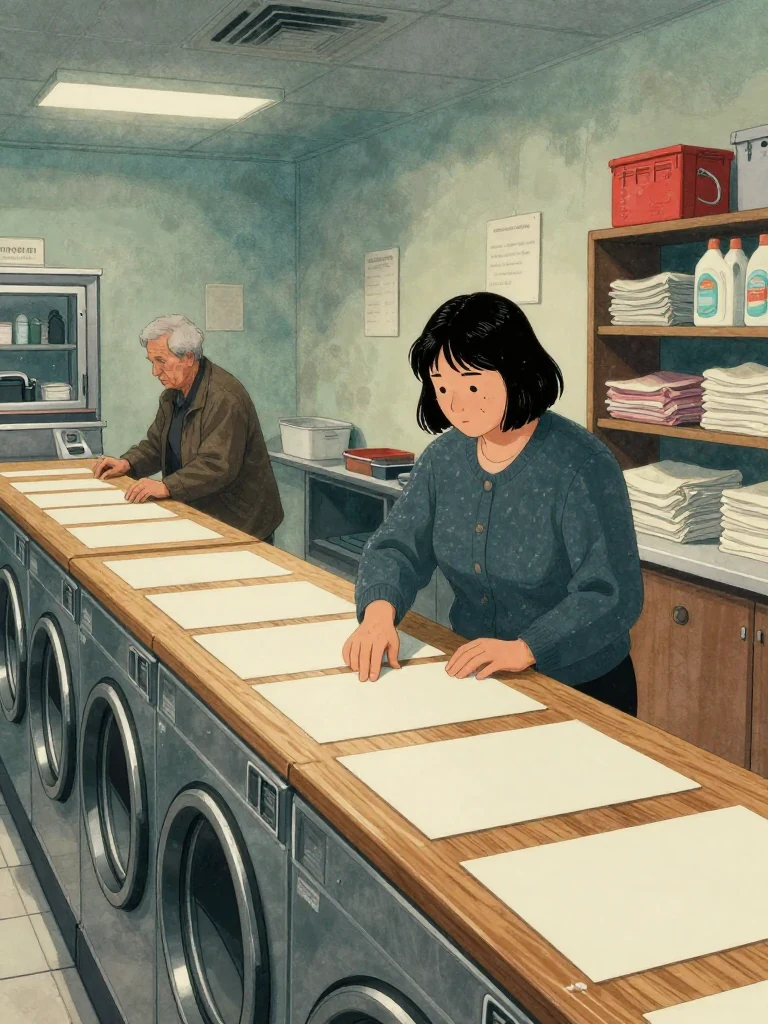
The family gave the first fragment. She spread the report's exhibit photographs across the laundrette counter — the shop's own catastrophe, glossy, numbered — and Sam's father walked them with his glasses low, polishing the counter first from pure habit, grief made procedural.
At photograph twelve he stopped.
"This alarm."
"The report says it's your alarm panel, pre-fire, showing the tamper module."
"We never had that alarm. Ours was older than me."
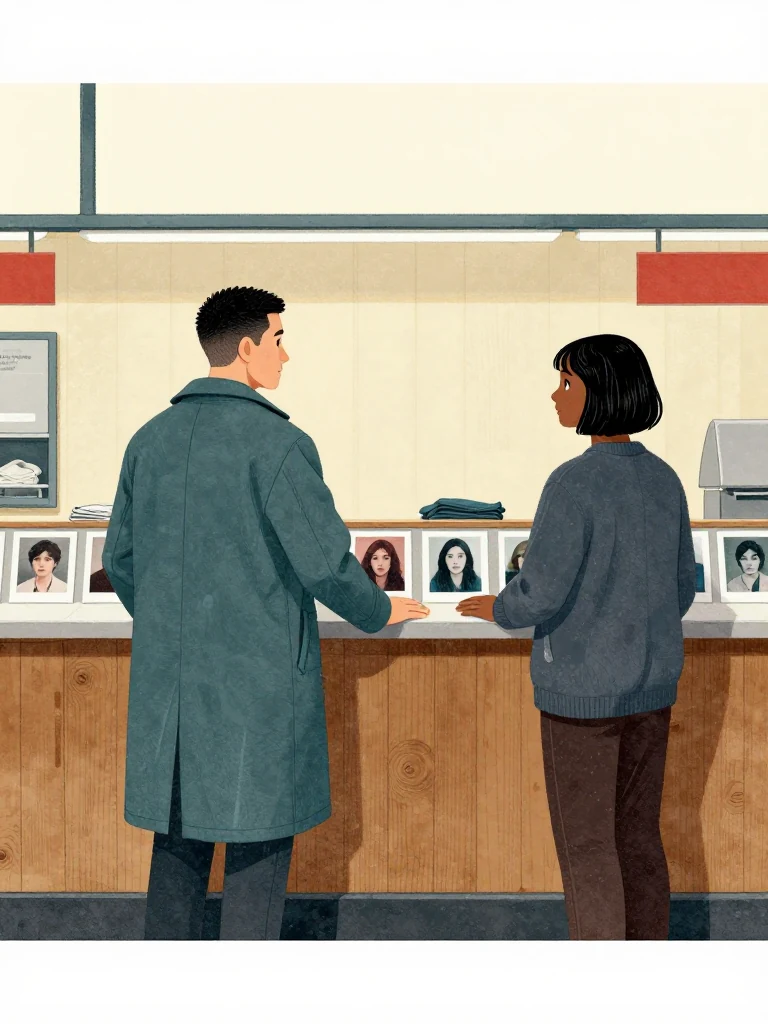
He said it without drama, a man correcting an invoice, and went to the drawer — nineteen years of paper — and produced the service contract with the model number, and the maintenance receipts, and the installer's card from a firm that had closed in 2011.
"The report man never came here. You cannot photograph what is not in the building. So he photographed some other building's alarm and gave it my fire."
Grandma Ndidi's sewing machine ticked overhead, steady as a metronome, while three of them stood looking at the one lie in forty pages. The report's exhibit showed hardware the shop had never owned. One flaw. In a forty-page report, exactly one.
Sam looked at Hana across the counter.
"That's four files now."
"One flaw, catalogued now, four files deep. It's not sloppiness. It's signature."
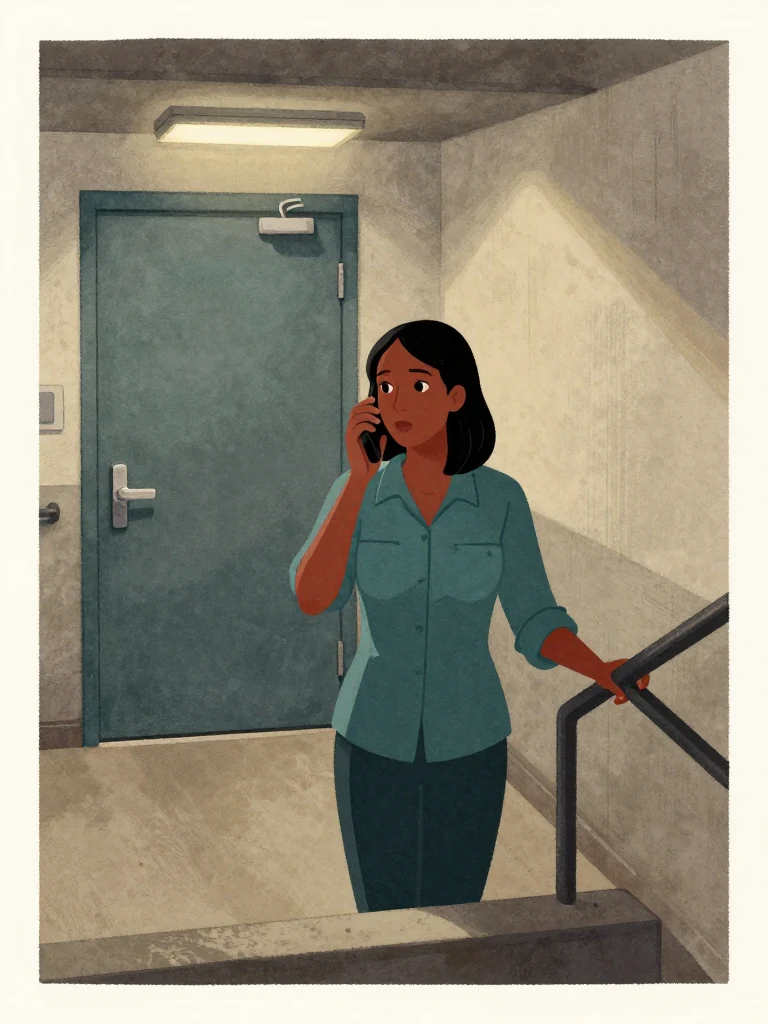
The second fragment cost more. Priya rang at ten that night from a stairwell, voice level in the way that meant not level.
"Sass has ordered an access audit. Directorate-wide. Anyone who's touched contested files in ninety days."
"Then you touch nothing. We use public materials only—"
"Han. Shut up and listen. Your report — I've read the disclosure copy. It cites the claim file by internal pagination. Page runs that exist only in our document system. Nothing external ever shows those numbers. Whoever wrote that report was fed our internal file."
"That's the feed proved. And it's also exactly the thing we can't use without—"
"Without someone inside saying it. Yes. Me. Tomorrow, in the audit interview, on my own initiative, as a professional observation about a document irregularity. Which it is."
"Pri. The audit—"
"—will look at my access and find a quarterly reserve review, documented in advance, same as every quarter for six years. My access is quarterly, documented, and boring. It's the most boring access in the building. I've spent six years making it boring."
A pause with the whole friendship in it.
"You carried the last one. This one's mine."
The audit interview happened on the Thursday. Hana spent it in the corner office not working, watching her phone not ring, learning what it was to be the one outside the room for once.
The text came at 3:40. A single full stop. Then, an hour later: observation logged. auditor thanked me for my diligence. i am going to buy a cake the size of a reserve review.
The pagination observation went in through Priya's own channel, lawful, initialed, hers. The cover held — not comfortably, she said afterward, but held, the way a rope holds when you finally load it.
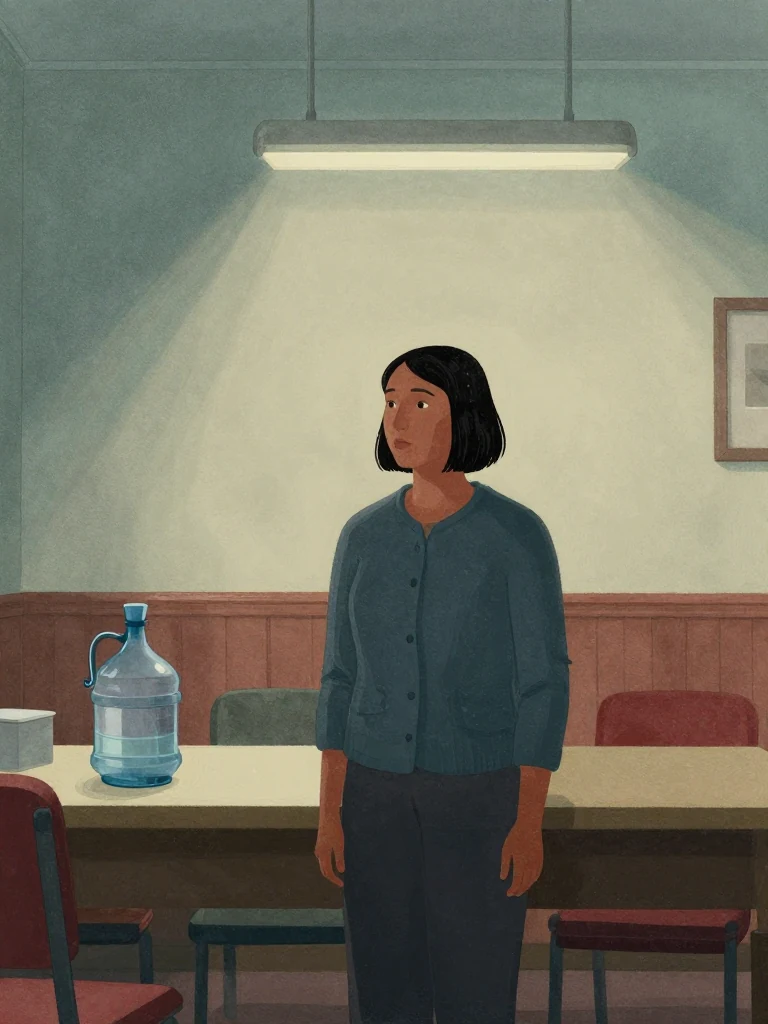
The resumed session got the material the room had asked for. Hana counted it on her fingers, slowly, for the minute-taker's benefit.
"The wrong alarm. The internal pagination. The one flaw, again."
She laid the catalogue beside it: the fire file's impossible diagram date. The flood file's misdated invoice. The letter's closed-Monday market. The report's phantom alarm. Four documents, four single flaws, one habit.
"I'm not asking this panel to find an author. I'm asking it to log a testable pattern: every document supporting these rejections contains exactly one verifiable falsehood, and only one. Test it. Break it if you can. And until someone explains how an independent expert cites this building's internal pagination, the appeal cannot close on his authority."
There was a pause the length of the whole autumn while the chair conferred in whispers, and Hana stood at the long table looking at the water jug and thinking, absurdly, of Finch losing their first game on purpose. Calibration. She had just shown the room exactly how she read. Somewhere the room's other reader would study the transcript, and the thought no longer frightened her — a catalogue works both directions, and hers was longer.
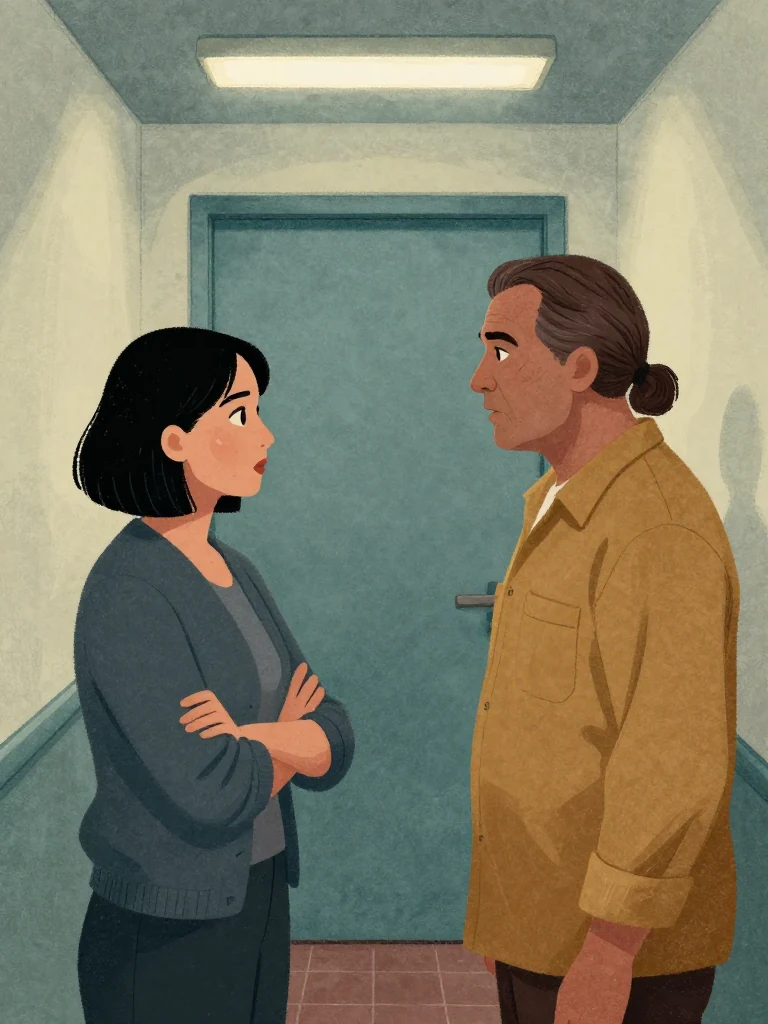
The panel held the appeal open. The doctrine went into the record under her name — the clipping had cost her the news cycle, but the minute-book was the ledger that mattered, and in the minute-book she was now the person who had named the pattern.
Sass caught her at the lift. Not the committee version — a man whose pen wouldn't align, whose passive voice had deserted him somewhere around paragraph nine.
"The pagination. You're saying our own file left this building."
"I'm saying your expert quotes what he shouldn't hold. You signed the finding, Mr Sass. You tell me the chain of custody."
He stared at her, and she watched a career's worth of incuriosity fail him all at once.
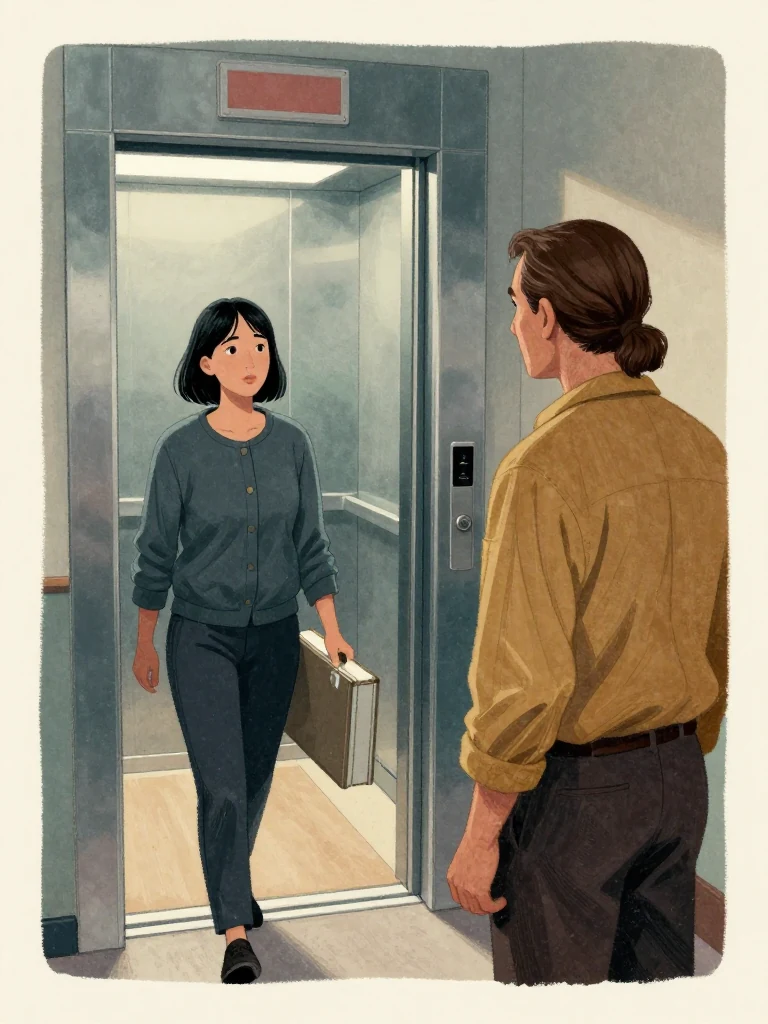
"Where do these files actually come from?"
Hana stepped into the lift.
"That is the first right question this building has asked me."
By Friday he had ordered his own vendor-pathway review — she knew because the audit's scope memo crossed Priya's desk, addressed to everyone, afraid of someone.
The last fragment of the week arrived in a records basement, under microfiche light, where the doctrine catalogue's archival sweep — her own suggestion, every historic Marrow-corridor claim — whirred up a 1981 warehouse file. Denied claim. Strong finding. And in the surveyor's schedule, one verifiable falsehood: a hydrant referenced on a corner where no hydrant had ever stood.
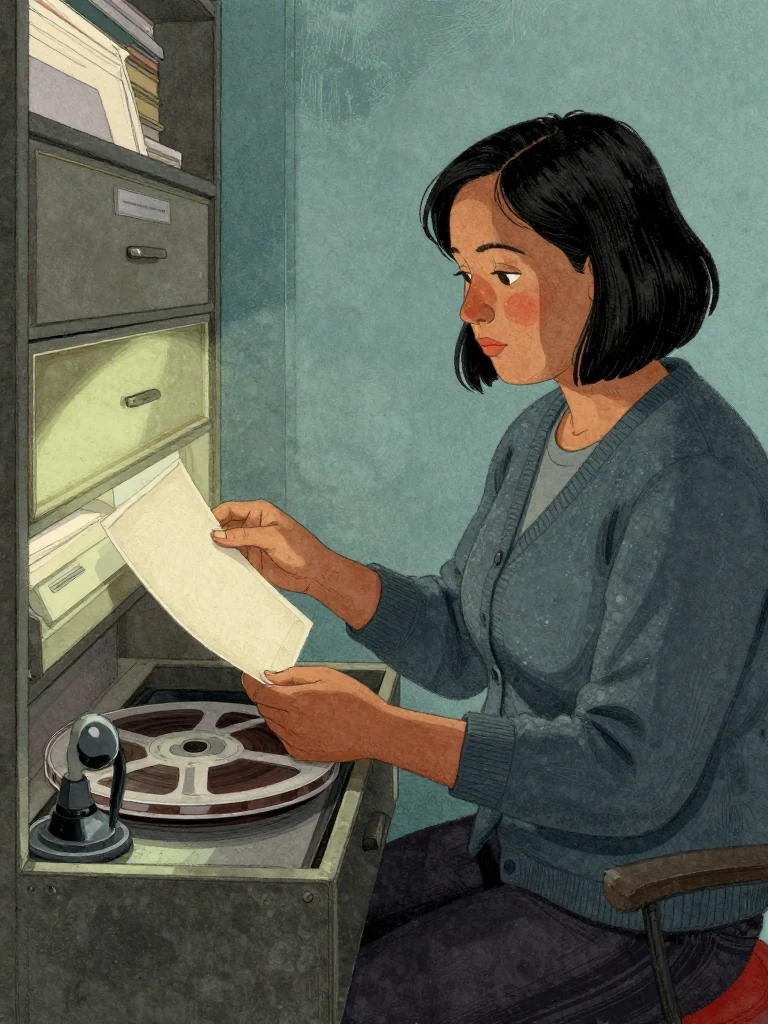
One flaw. 1981.
She sat in the green-white glow with the copy in her hands, the reel's whirr winding down, the basement's dead-file smell settling around a live one. Then she thought of the casebooks on her shelf — volumes VIII and X through XII, and their citations, every one of them, at every point where a file had balanced too well: see IX.
She had assumed the missing volume mattered because of what it taught. It mattered because of what it witnessed. The casebook wasn't a textbook chapter. It was a case file — and the case was still running.
Nineteen eighty-one. The flaw was signing files before I was born, she thought, and Walter had been reading the signatures all along, and filing them in a book that someone had needed badly enough to steal.
She photographed the microfiche copy beside her notebook list — the one with no title — and gave the list its title at last.
Four entries became five. The season had three weeks left, and the catalogue had forty years.