12 panels · Automated checks complete
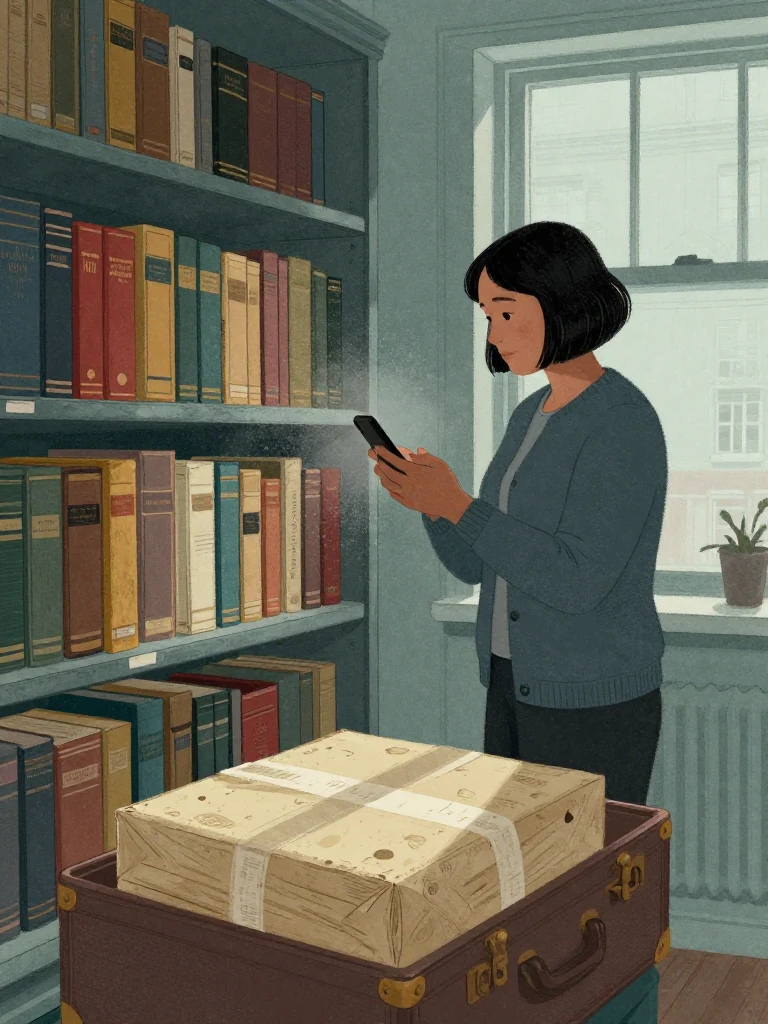
Hana Cho's solicitor rang at ten past nine to repeat the only legal advice she was currently paying for.
"Be boring. No press, no posts, no favors for anyone holding a claim number. You are a quiet appellant with a strong file. Stay that way."
"I can do quiet."
"Do it for sixty more days and we'll have your name back."
Hana ended the call and looked at the trunk.
It had arrived three weeks ago with a solicitor's label and a cover note in a stranger's hand. Two lines. He was clear about this. R.F. She had unpacked the books onto the shelf by the window and stopped at the grey casebooks underneath, because unpacking those felt like being watched.
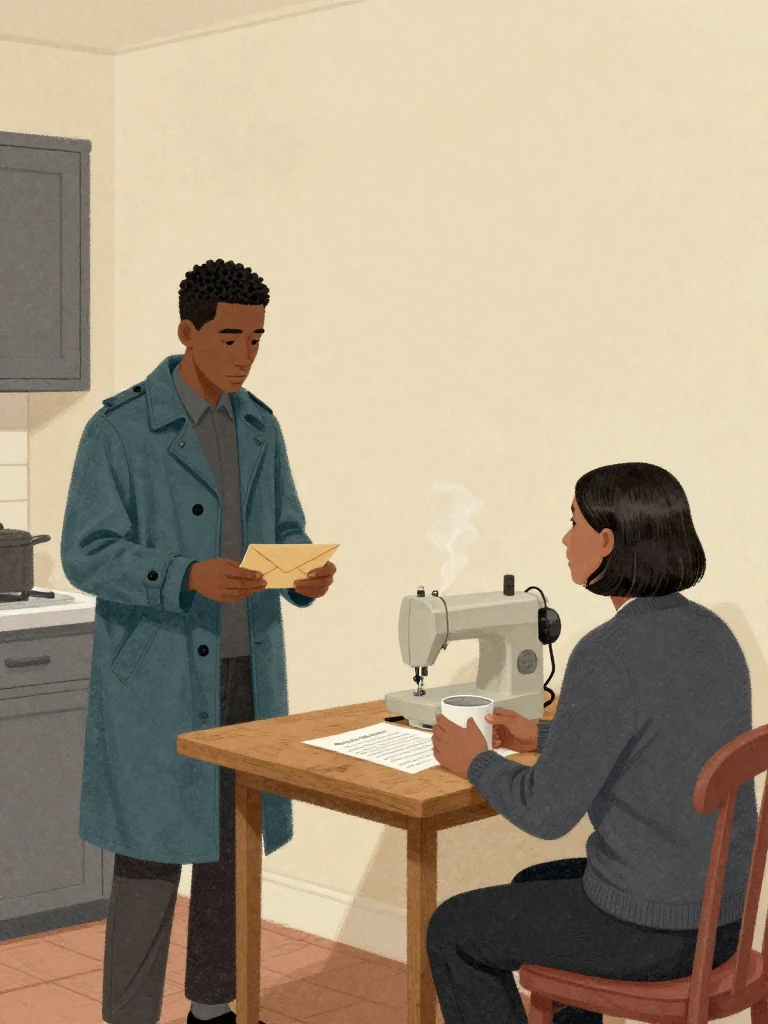
The knock came at twenty to ten. Sam Okonkwo stood on the landing holding an envelope the way people hold medical results.
"You used to do insurance. Before."
"Before. Yes."
"Then I need you to read this and tell my family what it actually says. Because I've read it four times and it says we burned our own shop."
The Okonkwo kitchen smelled of warm detergent over cold smoke, the way the whole building had since the fire. Upstairs, Grandma Ndidi's sewing machine ticked through something patient. Sam's father sat with both hands around an untouched mug, and Hana read the letter twice before she spoke, because the first reading felt wrong and she did not trust feelings.
"They're rejecting the claim as owner arson. They say the alarm was disabled at 2:14 in the morning. They say the burn pattern needed someone with keys. They say equipment on the insured schedule was moved out two days before the fire."
"Moved to my cousin's, for the floor resurfacing. It's in the diary. We told them."
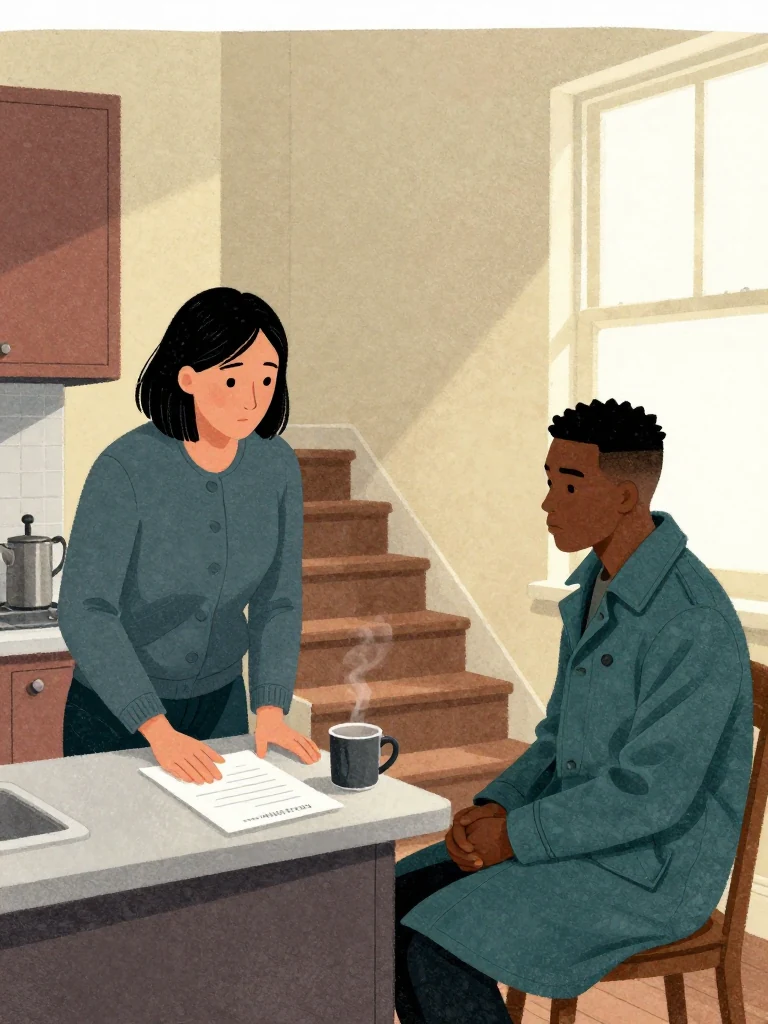
"It's in their letter too. As evidence of planning."
Sam's father said one word in Igbo, quietly, and his son did not translate it.
"There's a ninety-day appeal window. It started Tuesday."
"Can we win it?"
Hana squared the letter against the table edge. Alderline Assurance. Claims Directorate. G. Sass. The signature hadn't changed in eleven months.
"Most appeals against a finding this strong fail. And I'm the wrong person to help you. Anything with my name near it starts twenty points down at that company."
She went back upstairs, and the letter went with her anyway, in the part of her attention she had never once been able to bill.
It wasn't the allegations. Allegations were normal. It was the rhythm. Every paragraph anticipated its own objection and answered it one sentence early, the way no adjuster under caseload had ever written in the history of the industry. Files were messy because the world was messy. This one had no loose threads at all.
At thirty-one, Hana had read seven years of claim files, and the honest ones all had the same quality: they leaked. Somewhere a date misaligned, a witness rambled, a photograph caught the wrong corner. Messy meant human. This letter had been combed.
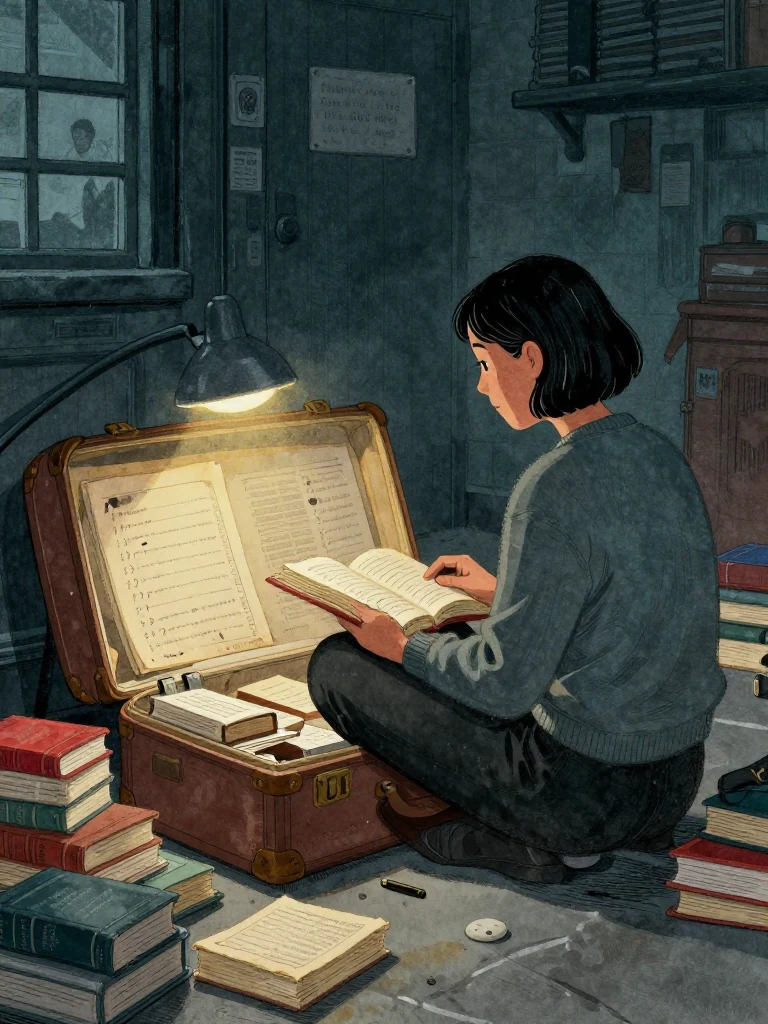
At two in the morning she gave up on sleep and opened the trunk properly.
The books were the sixty Holmes stories, read to pieces, and the margins were a fifty-year argument in two inks. Pencil for questions. Ink for verdicts. She found the system inside the front board of the first volume, in a hand she knew from Thursday score sheets.
"The correction outranks the quotation. If you are reading this, read second."
The Norwood Builder's margin stopped her. Beside the printed scene where damning evidence appears exactly on schedule, Finch had drawn a small mark — an x under a question hook — and written a verdict dated 1977.
"Fletcher warehouse. The claim file answered questions nobody had asked yet. Real scenes leak. Authored scenes balance. When a file is too coherent to be found, ask who wrote it. See IX."
Hana sat back on her heels among a dead man's books and felt the letter downstairs click into a category.
Too coherent to be found.
In the morning she knocked on the Okonkwos' door and said she would represent them in the appeal, unpaid, and that the first thing she needed was every original document in the shop, and that the second thing was for them to hear exactly why Alderline had fired her — from her, before anyone else offered them a version.
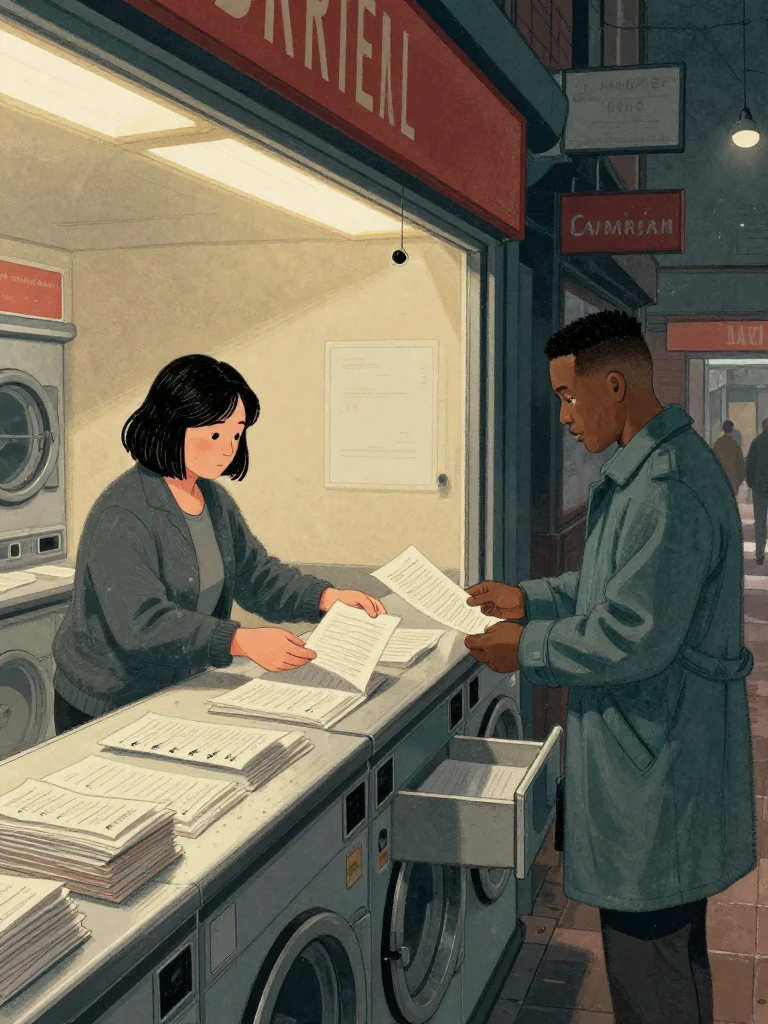
She told it plainly: the Harwich warehouse claim, the client with board connections, her refusal to sign it clean, the process breaches invented afterward. Sam's father listened without moving. Then he stood, went to the counter, and pulled the till drawer all the way out of its runner.
"Nineteen years."
The drawer was paper. Till reconciliation sheets, one per night, each signed and timed at the bottom in the same up-slanted hand. 2:31. 2:31. 2:30. 2:31. Hana turned them like evidence, which they were.
"You sign at half two every night."
"The buses stop at quarter past. The street goes quiet. You can count."
"The night of the fire?"
Sam found it in nine seconds. October the twentieth. Signed 2:31.
"So at 2:14, when someone was disabling your alarm, you were seventeen minutes from signing the till sheet you had signed every night for nineteen years. At a counter with a straight sightline from the street camera."
"Is that proof?"
"Alone? No. Write it down anyway."
Sam wrote it down.
They worked the shop the rest of the day. The insured-schedule list of moved equipment matched the schedule's five most valuable lines, exactly, in order — a thief's reading of the family, not a family's. The sewing machine, which three generations would have carried out of a flood, had never moved from upstairs.
"If your father staged this to save what mattered, he saved the wrong things. He saved the spreadsheet's things."
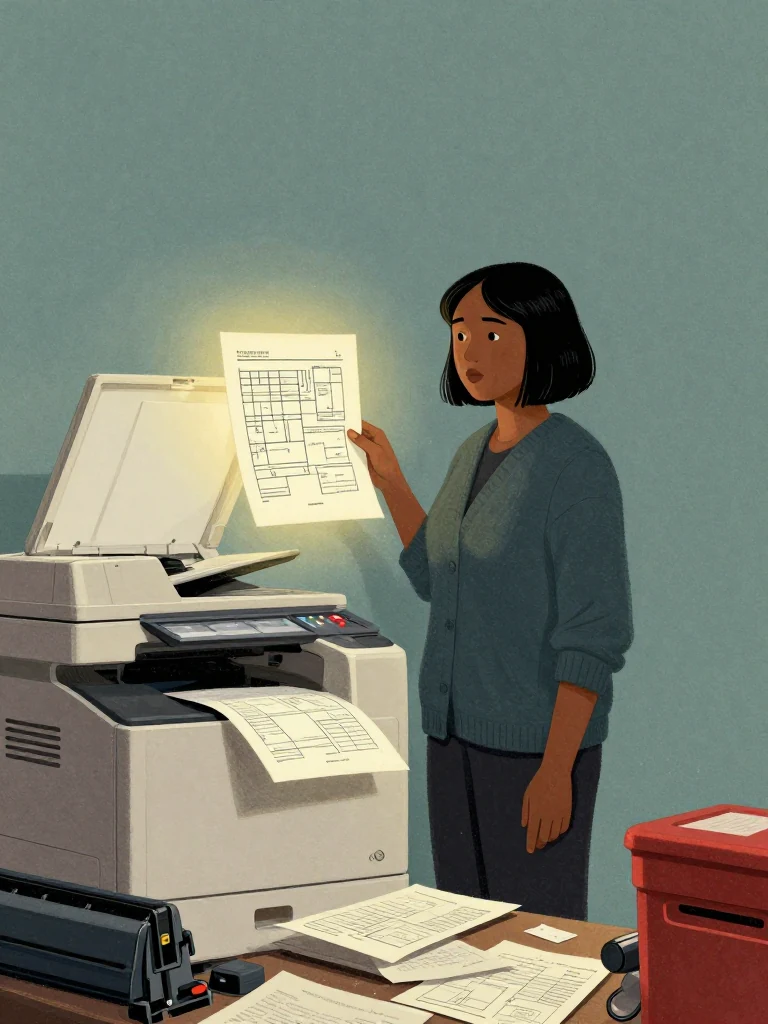
At the copy shop on the corner, feeding the claim bundle through the machine page by page, Hana stopped at the loss adjuster's site diagram — a neat plan of the storeroom with the accelerant pattern shaded in — and read the small print of the PDF footer twice.
Document created 22 October. The fire investigator's scene report it cited, quoted, and annotated was dated 24 October.
She stood in the copy-shop hum for a long moment, holding a drawing of conclusions that had been drawn before the conclusions existed.
Her first move with it was the wrong one, and she knew it was wrong while she was dialing. The appeals line took her call, and she quoted the principle — a file too coherent to be found, an authored scene, evidence that balances instead of leaking — and the voice on the line was polite the way a closed door is polite.
"Is there a specific documentary error you wish to log, or is this a complaint about the letter's style?"
"The style is the error."
"We don't adjudicate literature, Ms Cho. Your representative access is noted."
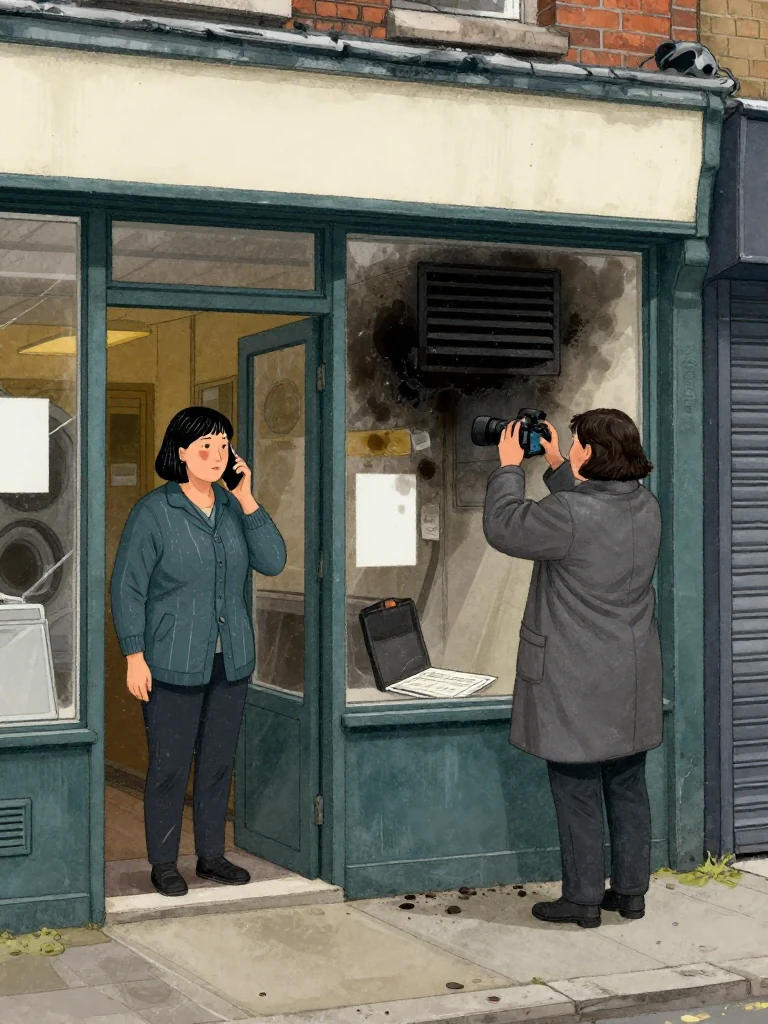
Outside the shop, a woman in a grey coat was photographing the scorched storeroom vent with the efficiency of someone who had eleven other places to be. Warrant card. DS Brook.
"You're the analyst Alderline let go. Now representing the policyholder your old employer is rejecting. You can see the shape that makes."
"I can see it. It's still the wrong shape."
"Then bring me something that isn't a grudge with margins, and I'll read it. Until then, stay out of my referral."
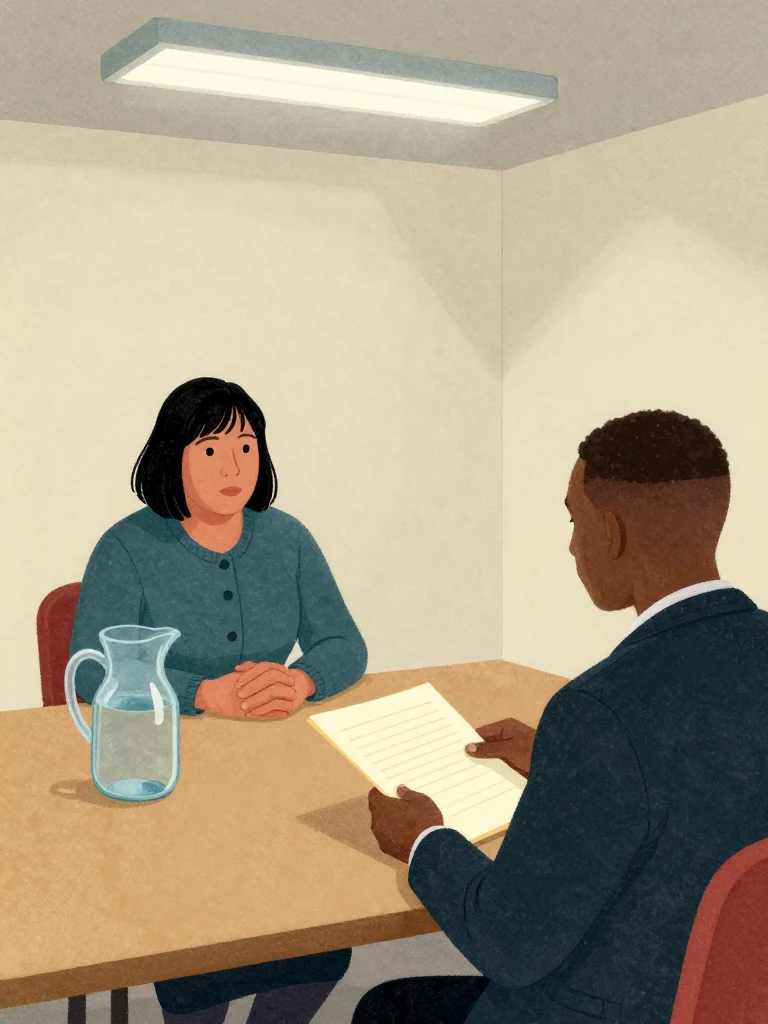
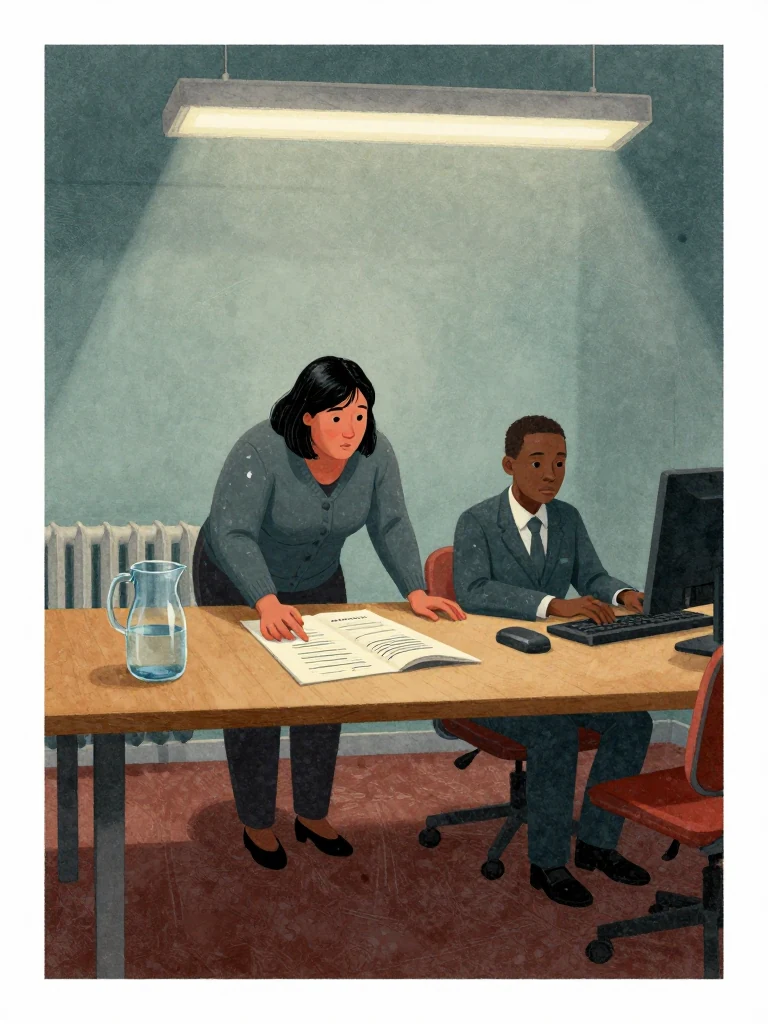
The appeal meeting was granted for the Thursday, at the borough office, across a table with a jug of water nobody touched. The appeals officer opened a folder that was visibly thicker than the claim and read her own first line from it.
"Before we begin, I should note your employment history with Alderline is a matter of record."
"So is the claim file. Shall we compare dates?"
"Meaning?"
"Page forty-one. The site diagram, created the twenty-second of October, per your own document system. It cites, quotes, and annotates the fire investigator's report. Which your bundle dates the twenty-fourth. Your file's map of the scene was drawn two days before the report that describes the scene existed. I'd like you to check the creation date in your system. Not my copy. Yours."
The officer looked at her for four seconds, then typed. The room held the sound of the radiator and the jug.
"The system shows the twenty-second."
"Then we agree the diagram wasn't drawn from the scene. It was drawn from paperwork — before the paperwork. Now the rest makes sense in one direction only, and I'll give you the pieces in order."
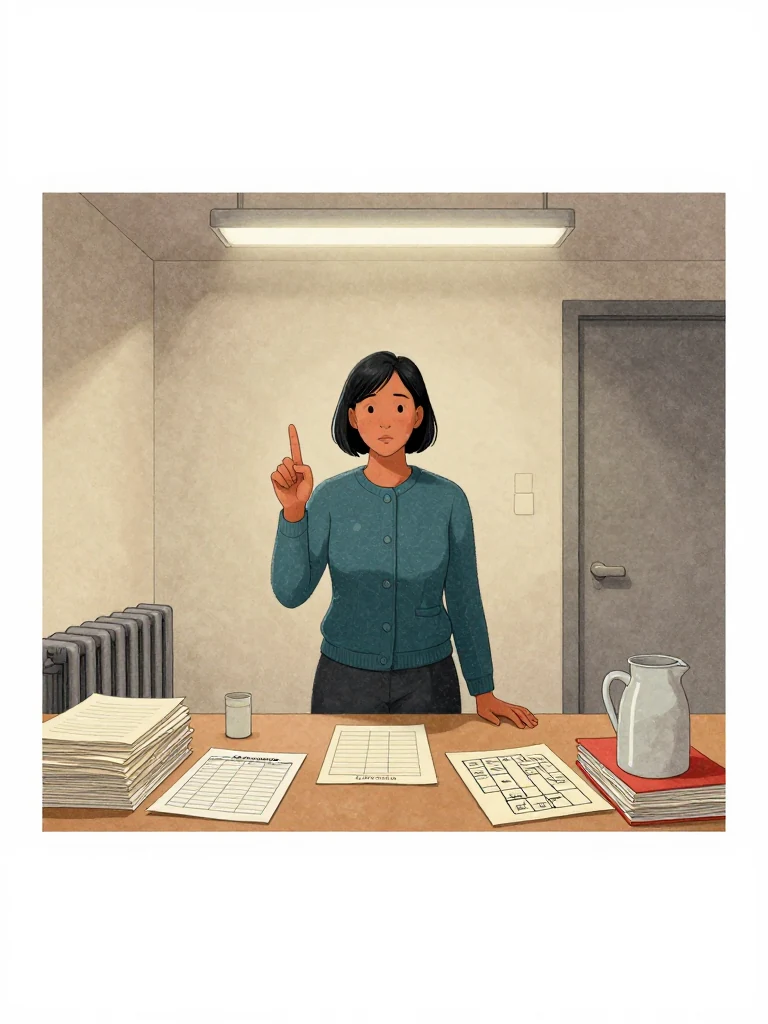
Hana counted them on her fingers, first, second, last, the way she had counted for hostile rooms all her professional life.
"First. The till sheets. Nineteen years, signed nightly at 2:31, including fire night, at a counter the street camera covers — while your file has the owner disabling his own alarm at 2:14. The absence you should be explaining is his, from that camera, and it isn't there."
"Second. The moved equipment matches your insured schedule's top five values, in order. The family's actual treasure never moved. Whoever chose what to save read a spreadsheet, not a life."
"Last. The diagram date. Someone assembled this scene on paper before the scene was described. Your fraud was authored. Not found."
"That's an allegation against my company's own file."
"It's an allegation against whoever supplied it. Your company's exposure depends on which side of that discovery you stand. Today, you only have to reopen."
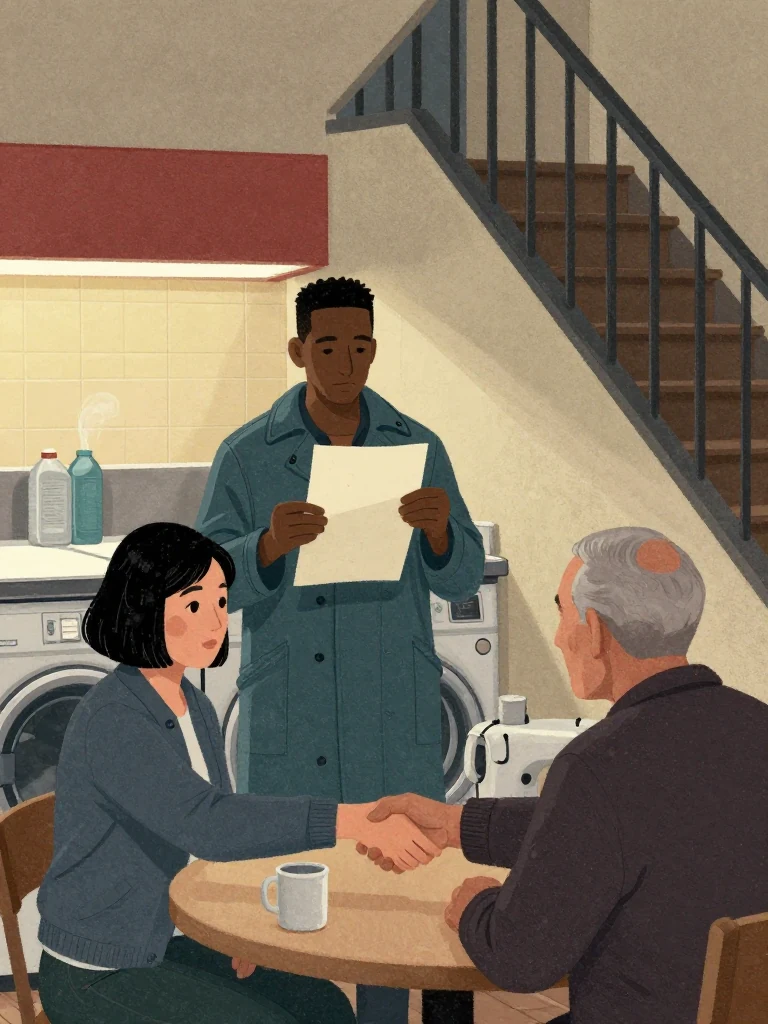
The reopening letter arrived Monday, narrow and correct, on the same letterhead as the rejection. Sam read it out loud twice, once in the kitchen and once through the ceiling at the sewing machine's rhythm, and his father shook Hana's hand for exactly as long as a till-sheet signature takes.
"The corner room upstairs. It has a desk in it already. Take it and stop working out of a laundry basket."
"I can't pay rent yet."
"You didn't charge us yet. It balances."
That evening she carried the used volumes back to the trunk, because entries went back in their places — that much of the method she had understood before she ever knew it was one. The drawer-box index sat under the casebooks, sixty years of cards in a wooden library of their own.
She refiled the Norwood card and its neighbors, and her thumb stopped on a gap.
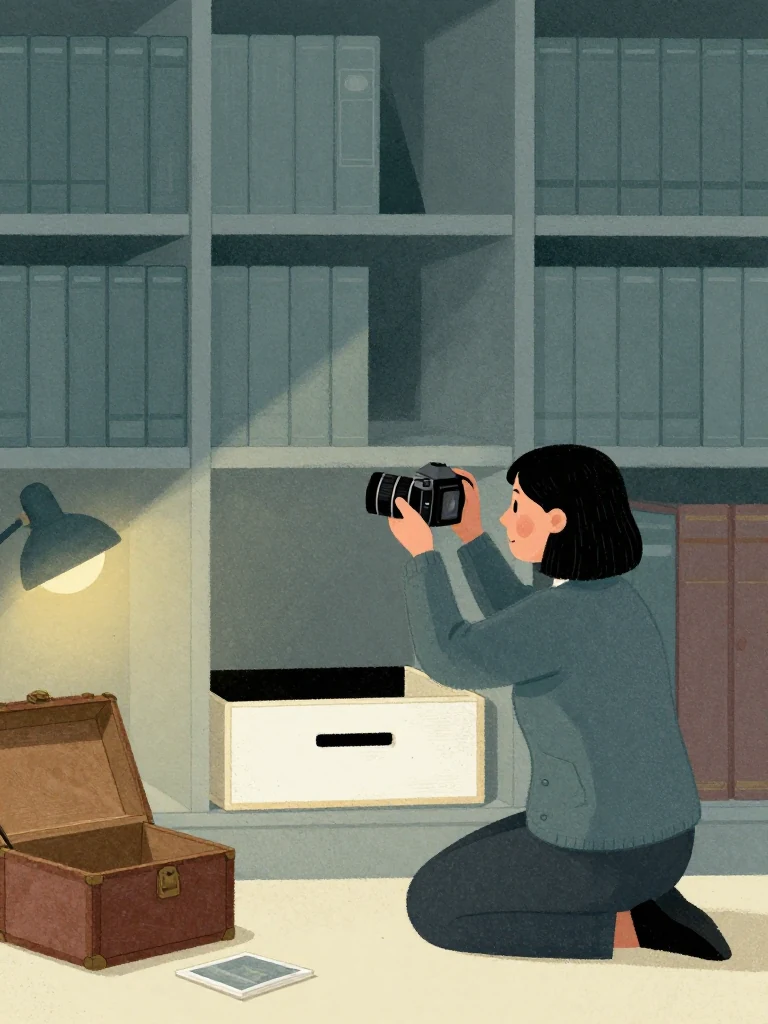
One slot, empty. Not worked loose. The card had been cut out — a clean blade-line at the base, and where every other card's edge had gone the soft ivory of decades, this cut showed white. New paper under old dust. Weeks, not years.
She checked the spines of the grey casebooks against their numerals. One to eight, ten to twelve.
Volume Nine was not in the trunk. Volume Nine was not anywhere in the room.
Hana photographed the slot, the cut, the run of spines, and wrote the date under each image, because the trunk had stopped being an inheritance sometime in the last minute and become a witness.
Somewhere across the city her method sat in Alderline's appeal record, disclosed, correct, and legible to anyone with the standing to request the file. She thought about rhythm. She thought about a reader who answered objections one sentence early.
Then she set Finch's cover note beside the photographs and read the two lines again, and they had not changed, and they had changed completely.
He was clear about this.