12 panels · Automated checks complete
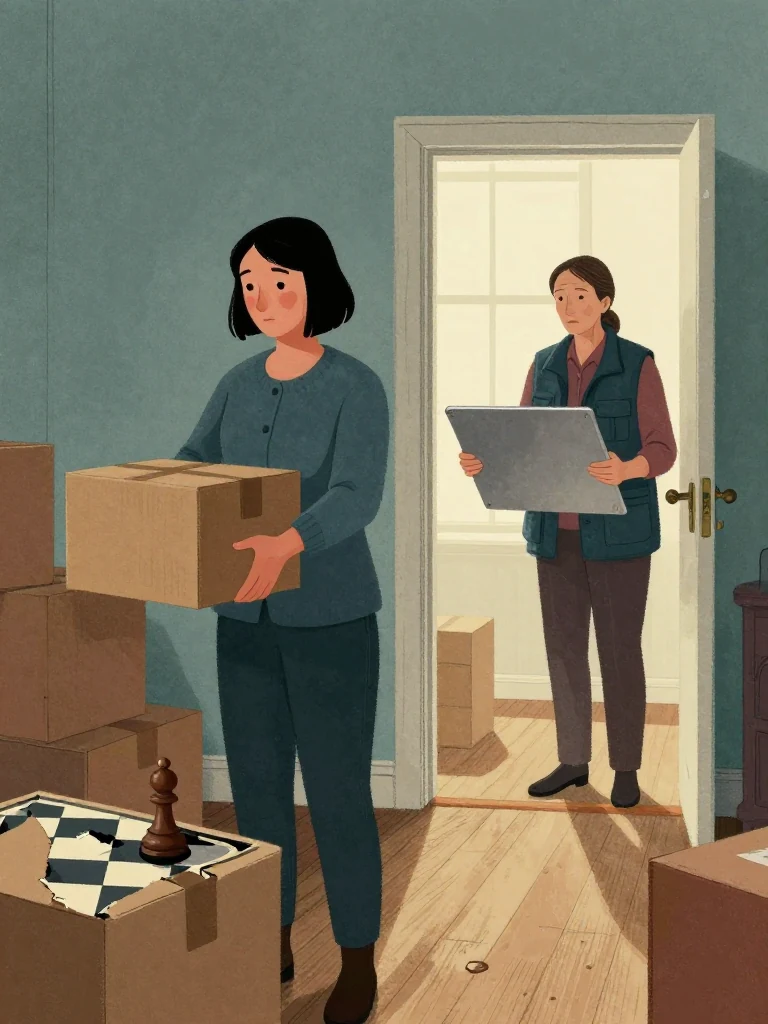
Nine days after Chidi walked, on a cold late-November morning, the probate men came for Walter Finch's flat.
Hana met the boxes on the landing — her landing, his landing, the geography of a year of Thursdays reduced to cardboard with fiber-pen numbers. Box three had the chess books. She knew because one corner had crushed, and a spine she'd handled a hundred times looked out through the tear like a face at a window. Rosalind Finch stood in the doorway with a clipboard list, marking each box out like freight.
"Ms Finch. Before the van goes — your father kept a delivery log. A door book. It's evidence in an active matter."
"Evidence."
"The trunk he left me was opened before it reached me. A casebook was taken. The log may date who had keys. The police inquiry—"
"—can write to the solicitors."
Rosalind ticked a box through the silence, then looked up, and her voice was level as a shelf.
"You got the trunk. You got the books. You got whatever he was giving away at the end that should have gone through family. You don't get to inherit the evidence too."
The van men carried number eight past between them. Hana let it go by and heard, distinctly, how wrong her opening had been — she had asked like an investigator, and this woman had spent a lifetime watching people ask her father for the useful parts.
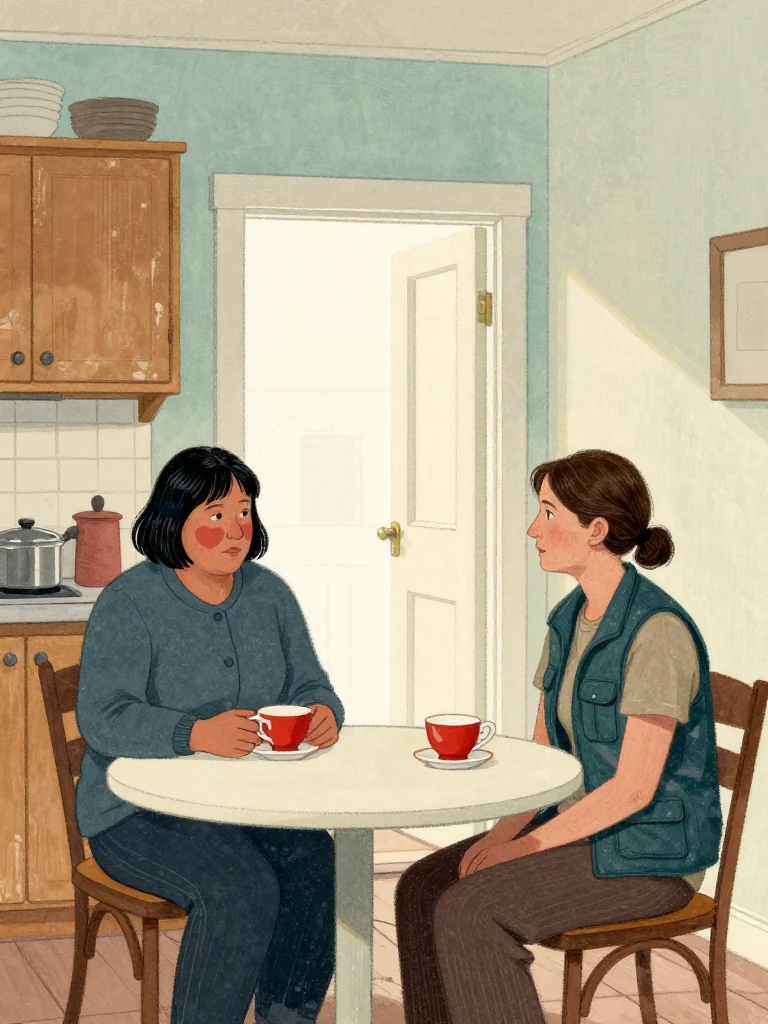
"Then let me ask for something I actually have standing to give back. You could ask me anything about this last year. I was there on Thursdays. Ask me."
The clipboard lowered by a degree.
"What was he like?"
They ended up in Hana's kitchen with the door open to the landing, tea in mismatched cups, and the truth being paid out slowly because it was the only coin the trade accepted.
"Start with the chess. He taught you."
"He never used that word."
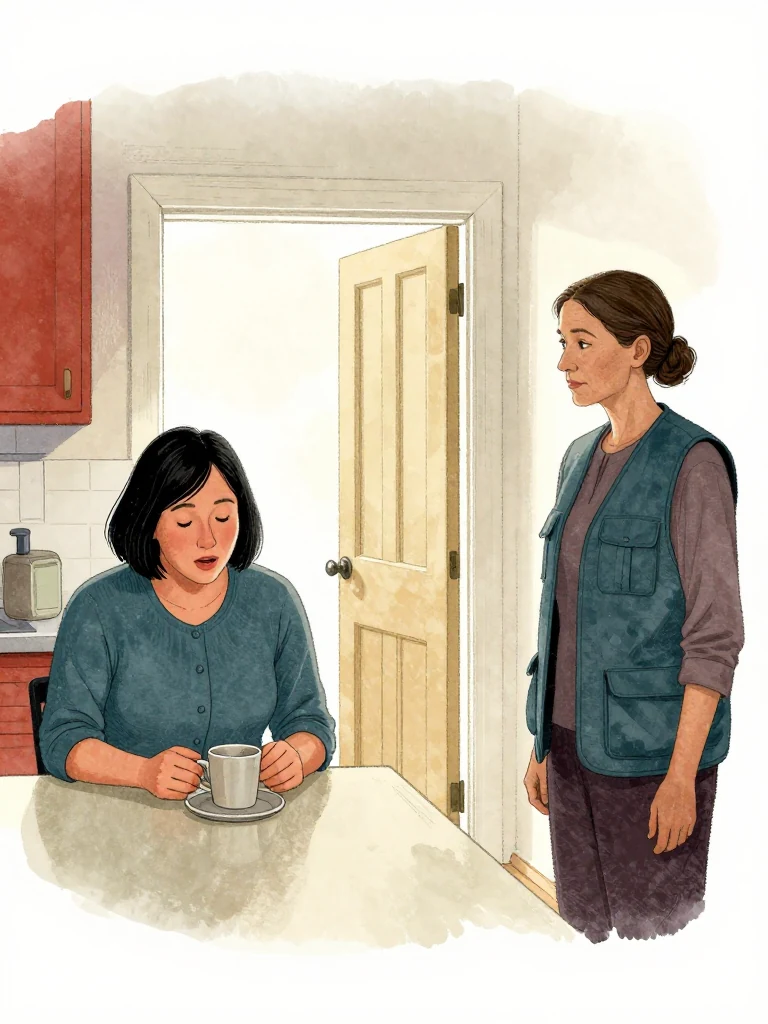
"He never used most words. Start anyway."
"He never once said he was teaching me. He'd set the board and lose the first game, always — I thought I was good. It took me a year to see he was calibrating. Every game after that was one lesson wearing a different opening."
"Calibrating."
Rosalind held the cup with both hands.
"Yes. Go on."
"He was kind the way a timetable is kind. Bus fare left on the sill. Soup when I was ill, no note. He fixed my window latch and never mentioned it. I never heard him say a warm sentence, and I never once doubted—"
Hana stopped, because the next words were true and she had never said them aloud.
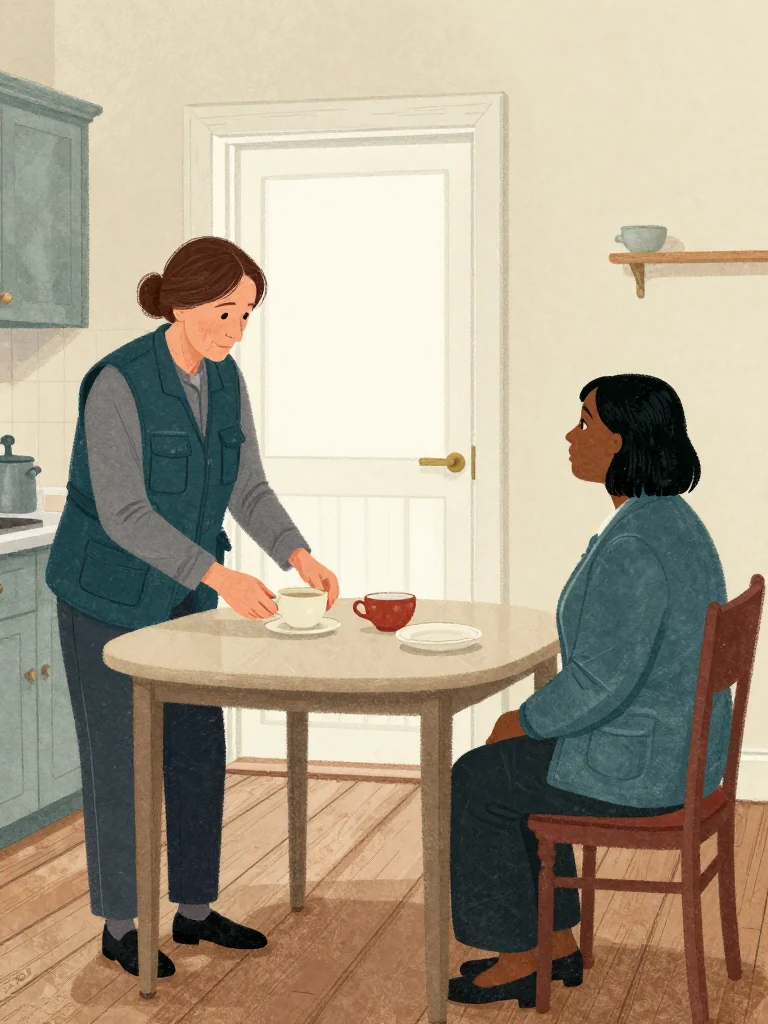
"—that I mattered to him. In a budgeted way. Like he'd allocated me."
"And me?"
The question came flat, inventory-toned.
"Did he mention a daughter?"
The honest coin, or nothing.
"No. Never. I learned you existed from the solicitor's letter."
Rosalind set down her cup and straightened it, then straightened it again, though it was straight — and stood.
"Come across, then. You can read anything in this flat. Nothing leaves it."
The flat was cold and utterly itself: bookshelves in subject order, a typesetter's neatness laid over pensioner's furniture, the smell of graphite and blotting paper where pipe smoke used to live.
Hana made herself read the room before the documents, the way the method demanded. Material context first.
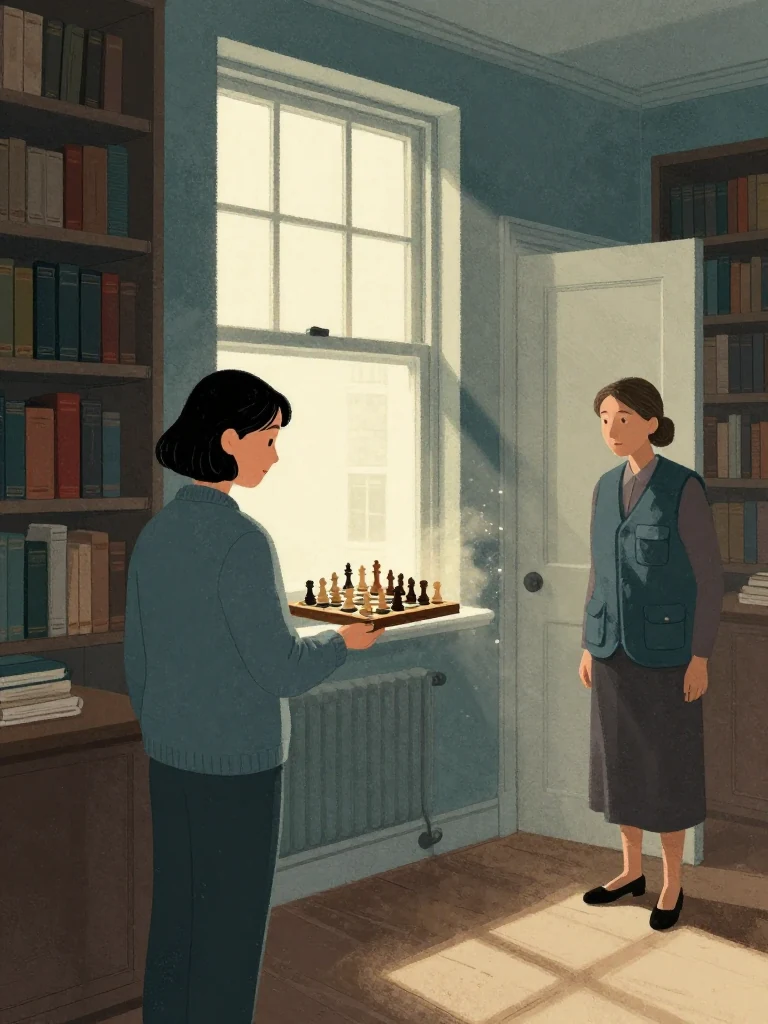
By the window, a chess table. A game stood on it mid-play — dust settled in a halo around the pieces, cleaned around, never across. She didn't touch it. She counted it instead, out of instinct: middlegame, material even, white committed to an attack that black had already quietly answered.
White to move. It had been white to move for a very long time. Somebody had stopped this game on purpose, mid-thought, and then kept the thought on a table by a window for decades — the way other people keep a photograph.
Rosalind spoke from the doorway, watching her look.
"He played you on the folding set. That one's older than you. Nobody plays that one."
Second: the shelves. The casebooks' shelf — she knew the spine spacing from the trunk — and there, at the end of the run's old home, a gap. Clean wood, one casebook wide, edged in a hard dust line. Books stood dusted around the absence the way the chessmen stood dusted around the game. The flat was a museum of things Walter had chosen not to disturb.
And by the door, on its hook: the log. A worn quarto hanging from a string, pencil tied beside it, exactly where a man's hand would fall as he answered a knock. Fifty years of habit made object.
"He wrote in it every time the buzzer went. Post, meter men, my birthday visits. All of it. He said doors were where the record started."
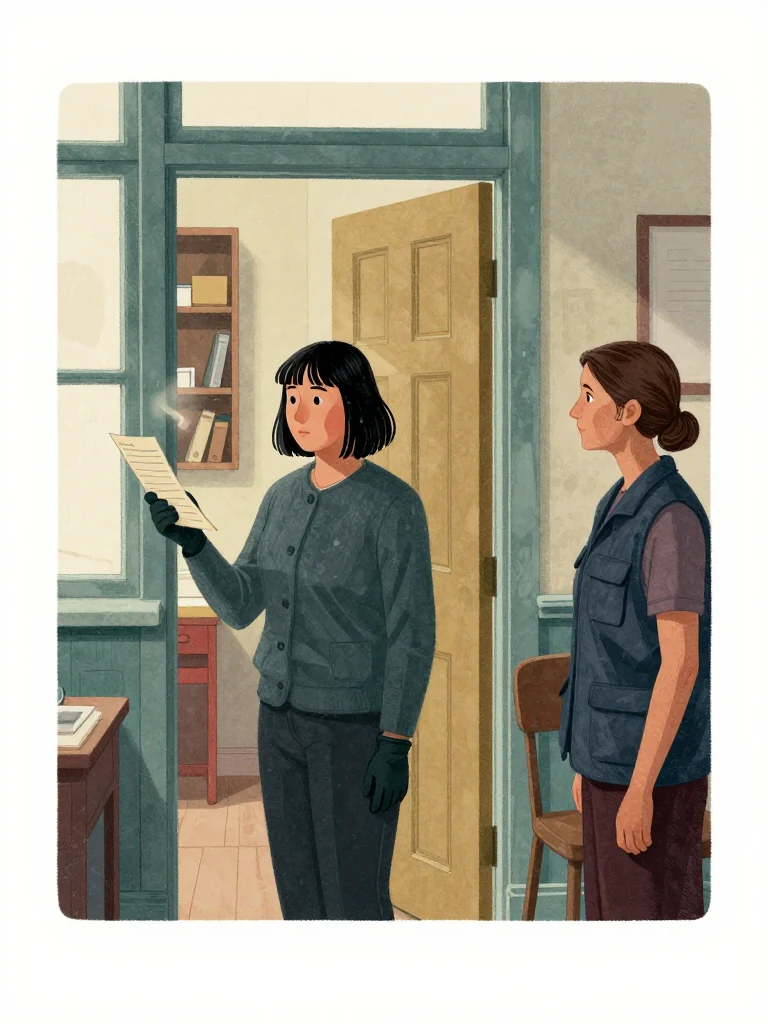
Hana untied it with estate gloves on. The pages were ruled in Walter's own hand — date, caller, purpose — decade after decade of a city arriving at one door. She found her own name in the spring: Cho, key cut approved. She had never known he logged the spare key he'd insisted she hold.
Rosalind read her face.
"You're in it. Everyone's in it. That was the point of him."
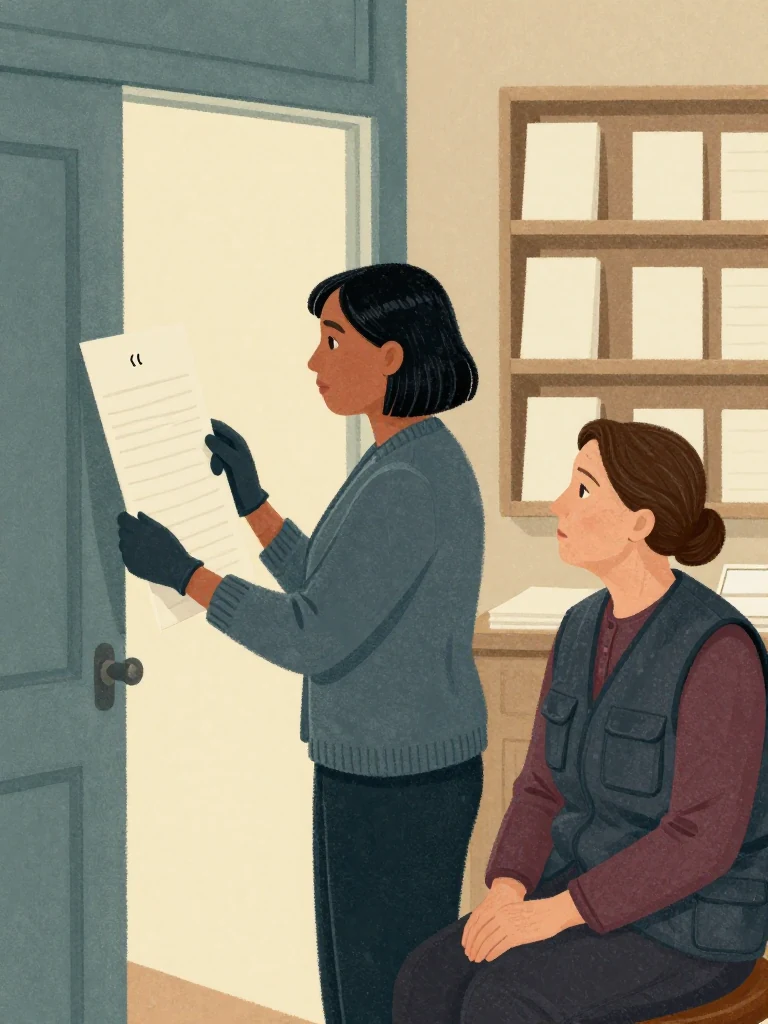
Hana turned to the last filled pages, and the flat went very quiet around the pencil columns.
Deliveries. Post. R. — Tuesday — the birthday visit, logged like weather. And then, eight weeks before his death, in ink instead of pencil — the only ink on the page:
"Key returned by visitor. IX withdrawn."
Beside it, small and deliberate: the tidy mark. ×?
Hana stood with the book open and understood that she was looking at a robbery, recorded by its victim, in the victim's own filing system, annotated with the victim's own flag for evidence too clean to trust.
"He logged it. He watched it happen, or knew it had, and he logged it like the post."
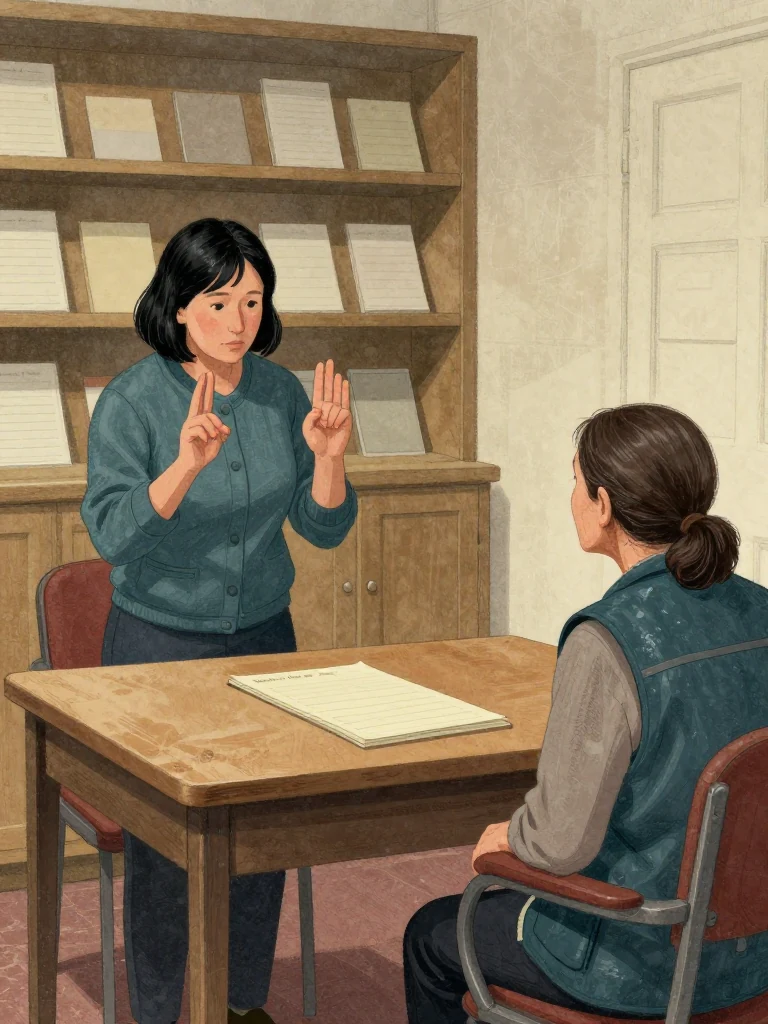
"What does IX mean?"
"The casebook that's missing from the trunk. The one the sliced card belonged to."
She laid it out on the table where the light was, her fingers doing the counting her voice kept steady.
"The card's fresh cut. The log's visitor. The dust line on the shelf. Same week."
"Meaning?"
"Meaning the volume left this flat eight weeks before he died — through a key, not a window. And your father redrafted his will five weeks before he died. The breach came first, Ms Finch. Then the will. He knew the book was gone when he wrote my name."
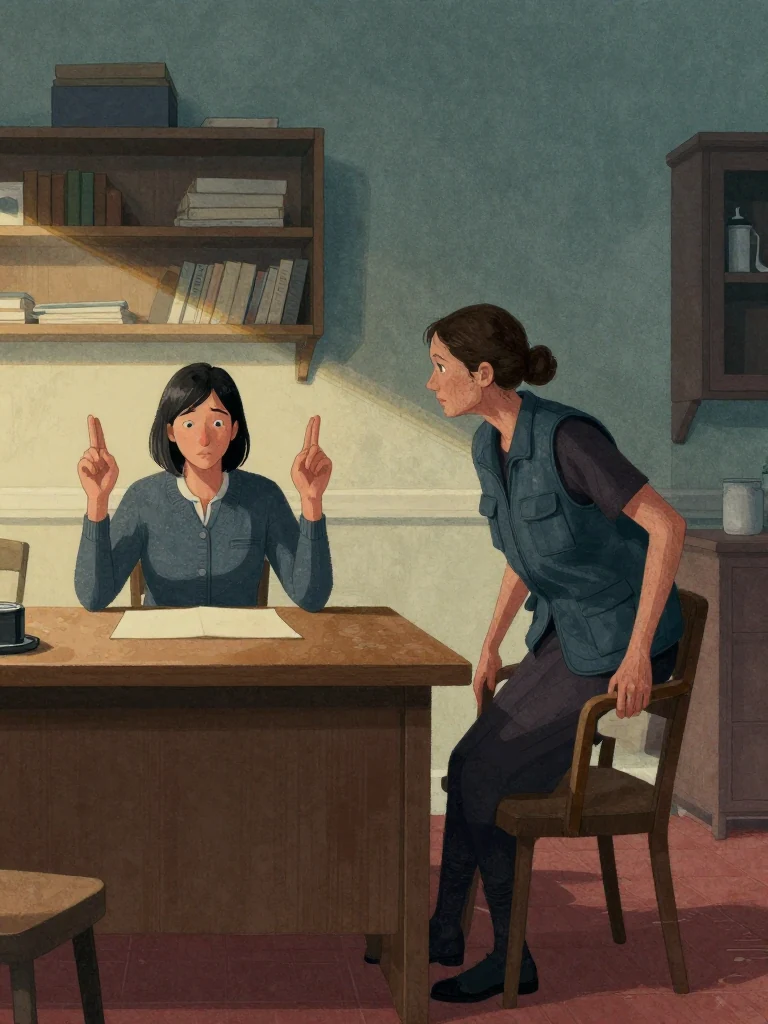
Rosalind sat down on the arm of the chair — the first ungoverned movement Hana had seen from her.
"So the trunk wasn't a bequest."
"It was a bequest. It was also—"
Hana looked at the board, white to move, and the sentence assembled itself out of a year of Thursdays.
"—a position. He was losing tempo and he developed a piece."
The photographs took an hour: the entry, the gap, the board against the probate inventory shots, the delivery log's matching date in the estate paper. Read-only, so she rebuilt it all in images, and Rosalind watched every frame like an auditor and said nothing.
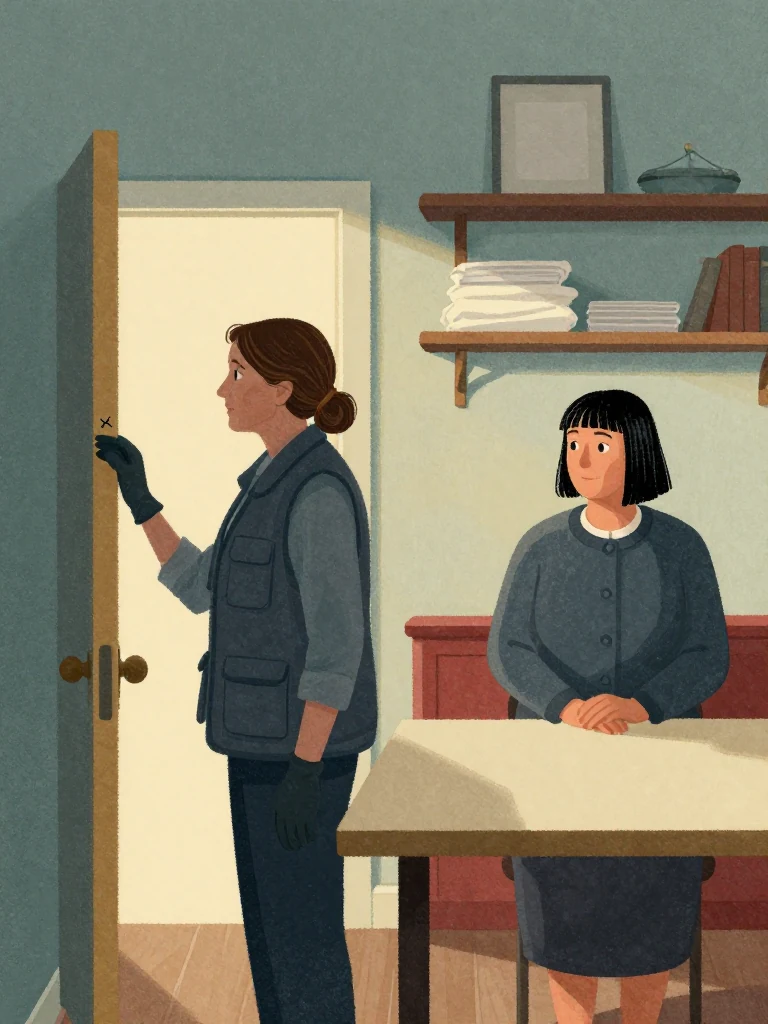
Once, over the logbook, she asked a question that wasn't about evidence.
"The mark. The little x and the hook. What does it mean?"
"It's his flag for things too tidy to trust. He used it in the margins of the casebooks for forty years."
"He put it on his own entry."
"Yes."
Rosalind looked at the four words and the mark for a long moment, and whatever she concluded went into the ledger she kept where other people keep their faces.
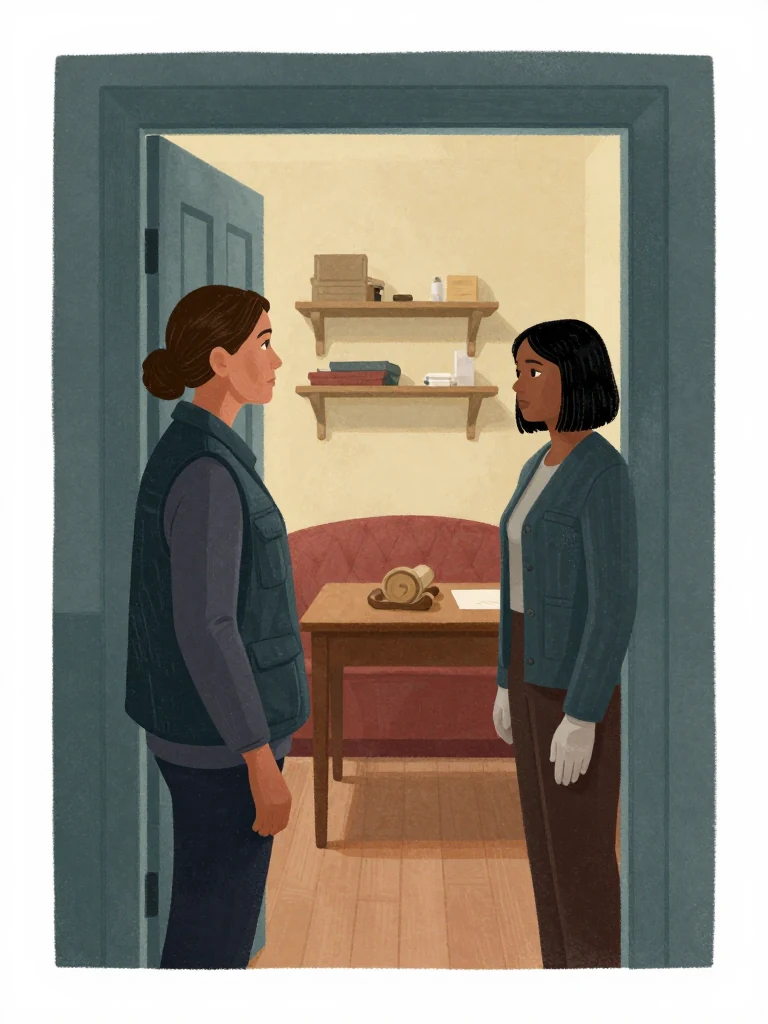
At the door, with the light going, Rosalind spoke first.
"There was a student. Before you. Decades — I was still coming for Sunday lunches, so, thirty years, more. Thursdays, like you. Chess, like you."
Her mouth found the flat line it defended itself with.
"Then never again. I don't have a name I'd trust myself to swear to, and I won't guess at one for you tonight. Don't ask me to."
"I won't. It goes in my notes as exactly what you said and no more."
"Good."
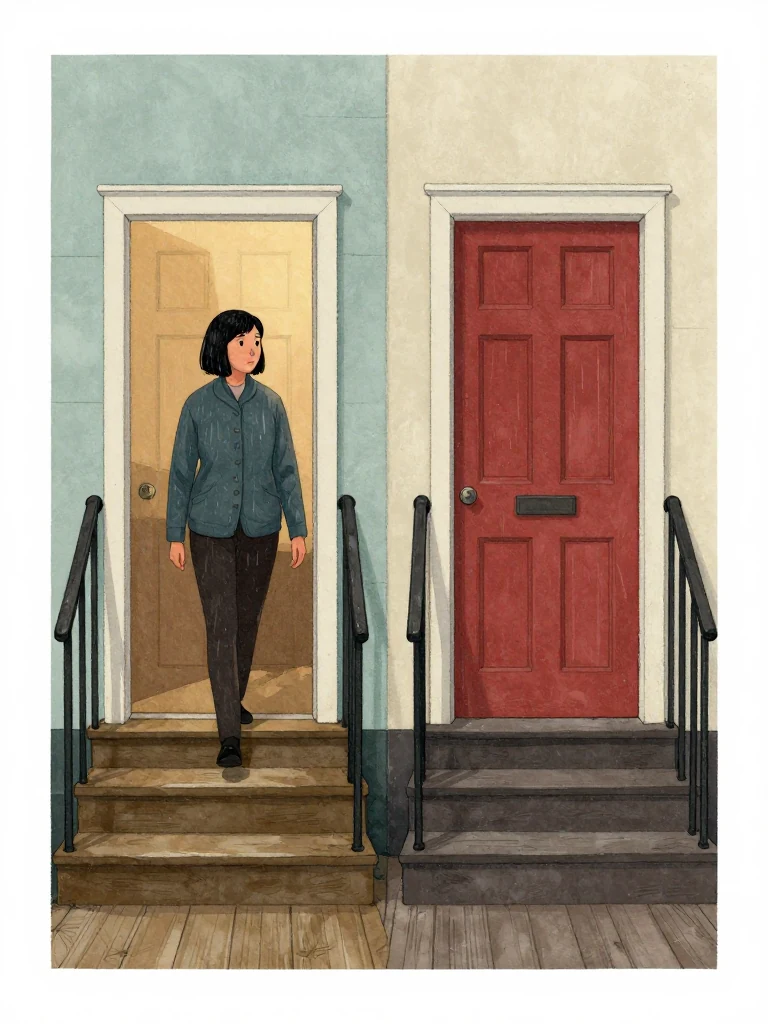
A pause, and the clipboard came up like a drawbridge closing — but the words underneath were new.
"I'm pausing the clearance. The van takes nothing from this flat until you've read what you need. I'll tell the solicitors it's my discretion. It is."
Hana walked the six steps home across the landing and stood in her own doorway, looking back at his.
He knew. He logged the theft with a librarian's calm and a flag for the future, and he answered it — not with police, not with accusation — with a will. With her. A piece developed quietly onto a board where the opponent had been playing, unopposed, for thirty years.
She thought of the letter that had answered her memo point by point, and for the first time the being-read feeling turned itself inside out.
Walter had known his reader too. And Walter had left her the books anyway — because of the reader. She wasn't only the second reader of the archive.
She was white's move.