12 panels · Automated checks complete
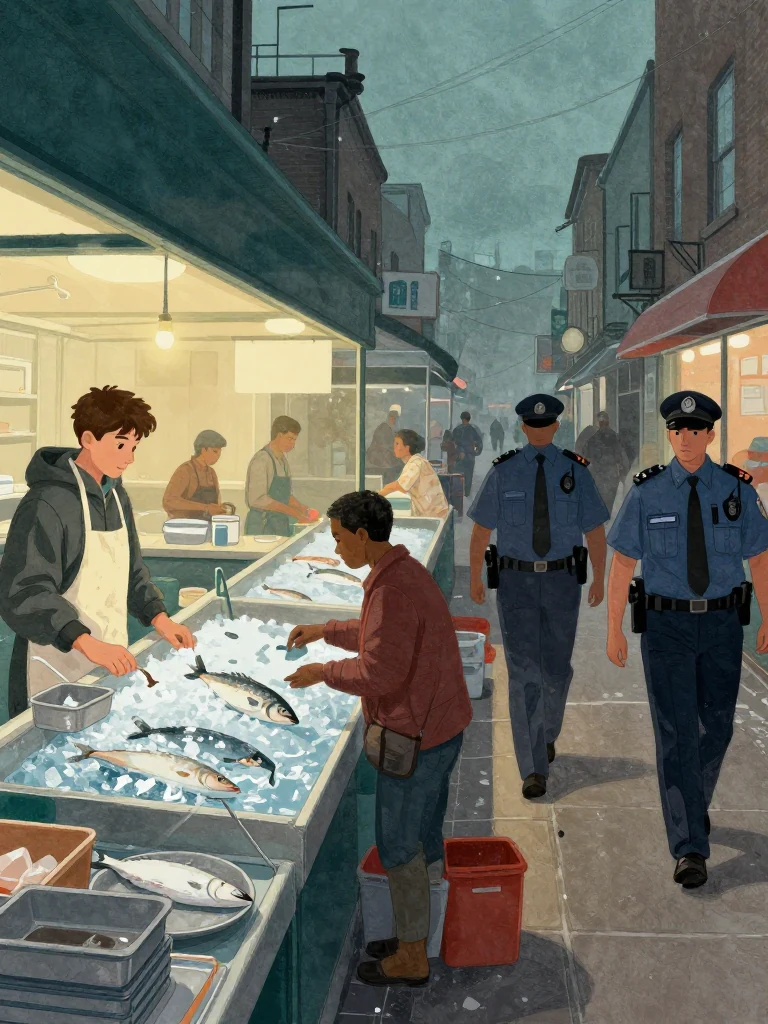
They took Chidi at dawn, at the fish counter, with his apron still on under the borrowed jacket.
By the time Duru reached the office Hana already had her coat. On the nick steps he pressed two teas into her hands as if procedure could be fed, and told it twice, the second time slower: officers, a charge sheet, the word conspiracy attached to a flood.
"He guts fish, Ms Cho. He's nineteen. What does he conspire with — the tide?"
"The file conspires. He's just the name they attached to it. Stay here. Drink the other tea."
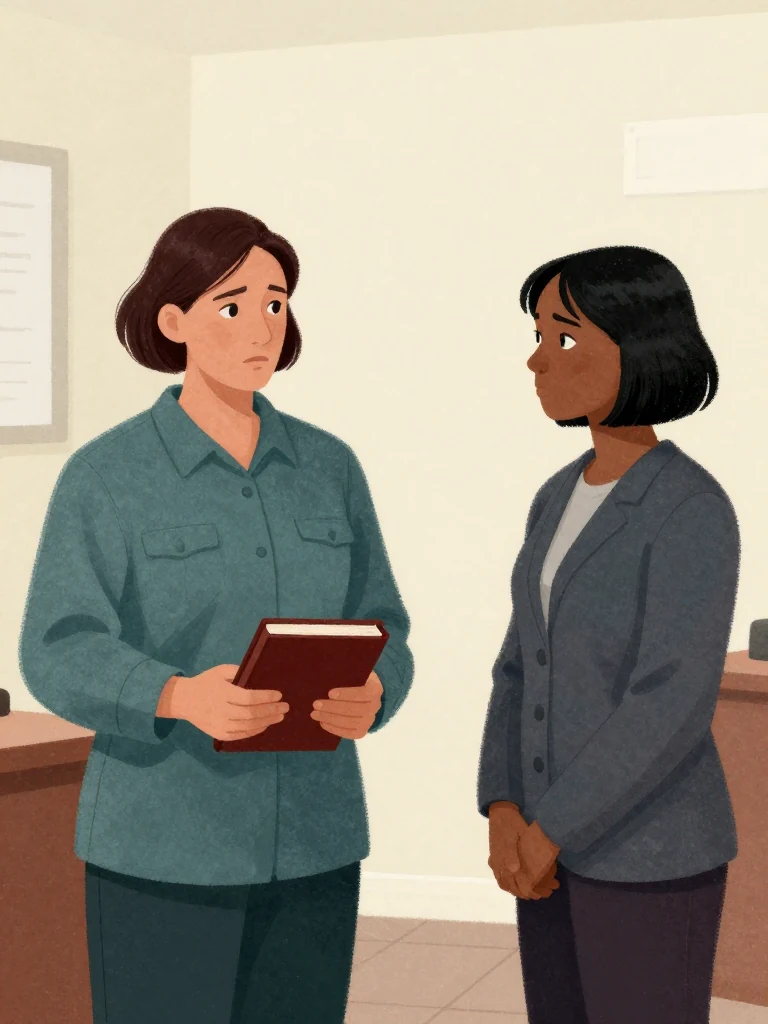
Inside, the custody suite smelled of disinfectant and vending-machine tea. DS Brook met her with the charge sheet's summary and the particular flatness she used for days she didn't like.
"Statement of a witness placing him moving stock pre-damage. Now corroborated by a letter received Tuesday. On paper it's strong, and I charge strong paper."
"The witness was in Deptford the whole week. It's in my memo — filed in the appeal record ten days ago."
"An insurance memo isn't bail, Ms Cho."
Brook set the sheet down and gave her the rules like tools being handed across a bench.
"This is a criminal file now. Whatever you've got gets rebuilt under my roof — statements under caution, exhibits with provenance, dates that survive a defence brief. Reproduce it under caution and I'll act on it. That's the whole offer."

"Then I need Mrs Adeyemi willing, her daughter's photographs, and disclosure of your Tuesday letter."
"Duty solicitor gets disclosure. Work through him."
Duru was still on the steps when she came out for air at ten, both teas cold beside him, cap in his hands.
"Nineteen years I pay premiums. Never claimed once before the flood. You know what my father said when we came here? He said, in this country, keep your paper straight and the paper keeps you."
"Your paper is straight. That's why it can be proven crooked from outside — straight paper has edges."
"You talk like a carpenter."
"I was raised by one, near enough. Drink the tea, Mr Duru. Cold tea is still an occupation."
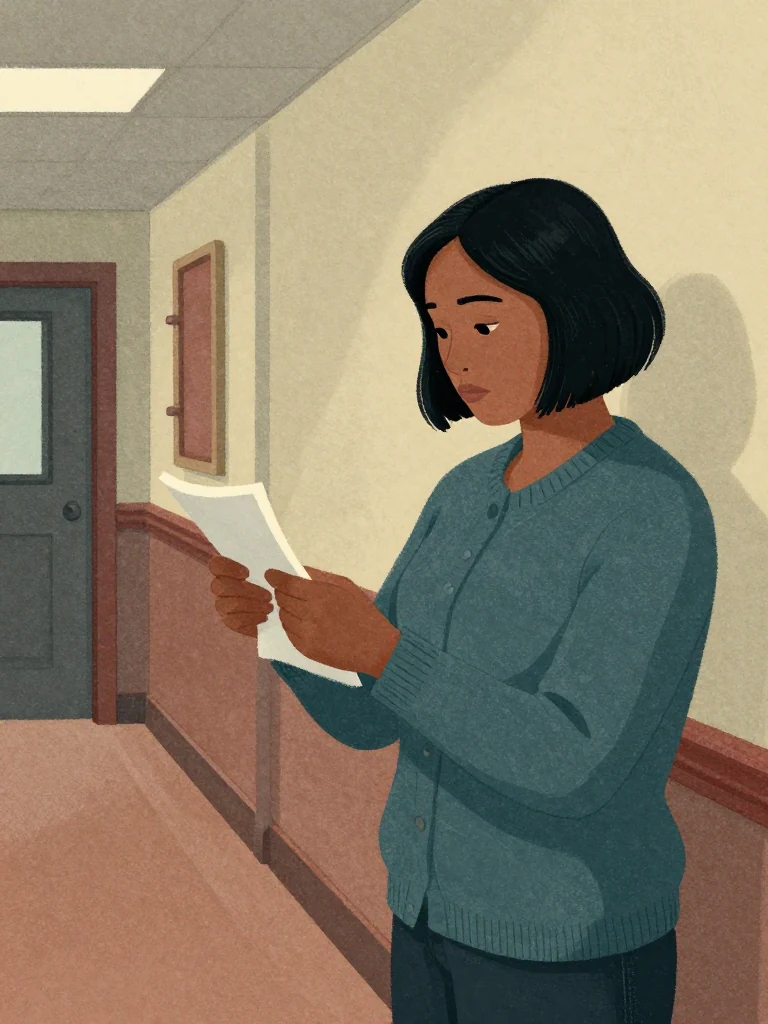
The letter came through by noon, and Hana read it three times in the corridor.
It was good. Laser-even print, measured tone, procedurally fluent — a concerned party providing context, no name, no address. It corroborated the witness statement precisely where corroboration was needed. And that was the wrongness, because Hana knew where corroboration was needed, and so did the letter.
She laid her memo beside it on the duty solicitor's table, point against point.
"My memo argues the witness had no sightline to the yard. The letter supplies the sightline. My memo flags the inventory list's ordering. The letter explains the ordering. My memo notes the template anomaly. The letter dismisses template analysis as — quote — speculative pattern-matching."
"So the letter-writer read your memo."
"My memo is in an insurance appeal record. Not published. Not disclosed. It answers my memo point by point."
The solicitor, a tired man named Okafor, looked at the two documents for a long moment.
"That's not corroboration, that's correspondence. Who are you writing to, Ms Cho?"
"Someone who reads everything I file."
The being-read feeling had lived under her skin since the sliced card. Now it had a body: paragraphs, print, a postmark. The author wasn't hiding from the record. He was using it — the way she used the archive. Two readers, one channel.

But a reply wasn't a release. A charge that neat needed a flaw that lived — and paper wouldn't cough one up, because paper was his home ground. She called Sam.
"Walk the letter's timeline with me. Not the file's. The street's."
They walked it that afternoon, the letter's neat chronology against the actual pavement. Sam brought his notebook and the habit of reading the street like his father read till rolls.
"Letter says the van sat here."
He paced the kerb, reading as he walked.
"Fine — you can park here, nights. Says Chidi carried boxes to the yard gate. Also possible. Says all this happened in view of the market's late traffic, Monday, eleven to midnight."
"And?"
"And I've been standing here my whole life."
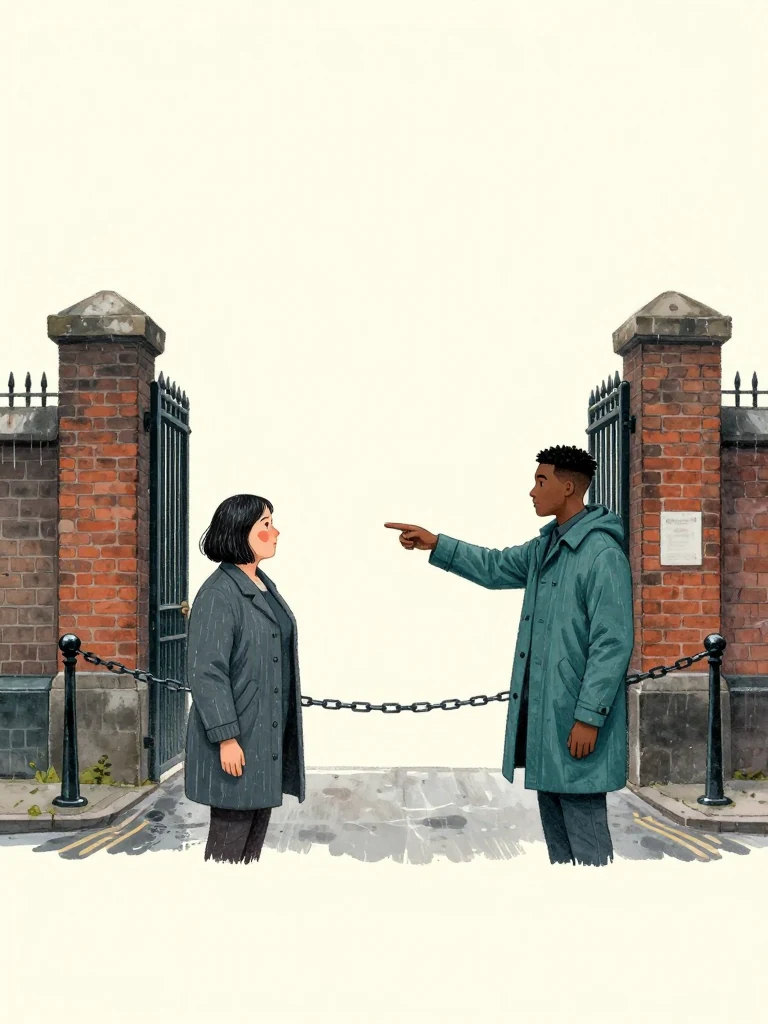
He turned to the market gates across the road — the wide Victorian arch, the painted sign, the iron gates.
Chained. He looked at the chains, then at the letter, and something in his face went from anger to a kind of wonder.
"Market's closed Mondays."
"Say it again for the notebook."
"Market's closed Mondays. Has been since before I was born — Monday's the deep-clean, gates chained by six. There is no late traffic. Nineteen stallholders will tell you, and the cleaning contractor, and the parish noticeboard."
"So the letter's witness saw a busy market street that doesn't exist on the day it names."
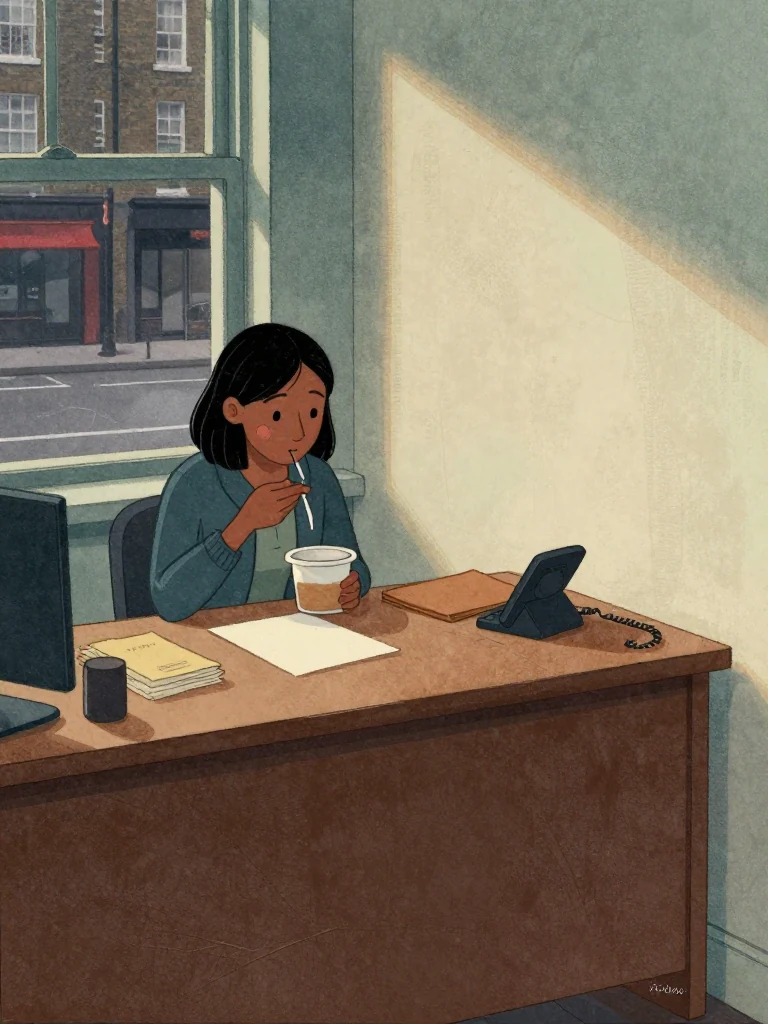
Sam wrote the date like she'd taught him.
"Whoever wrote it knows files. Doesn't know fish."
One flaw. Again. Placed or slipped, she no longer believed the difference mattered to the pattern — every authored document carried exactly one wrongness, like a maker's mark stamped where only a certain kind of reader would look.
She stood at the chained gates a while after Sam had gone ahead, and let herself think the thought properly for the first time: a maker's mark is vanity, and vanity is a habit, and habits are catalogues waiting to be compiled. The fire file. The flood file. The letter. Three marks. She had started a list in the back of her notebook and titled it nothing at all, because some documents were safer without names.
She texted Priya one line that evening — don't pull anything, don't answer anything, I'll carry it — and got back a single full stop, which in Priya's grammar meant received, understood, furious.
Then a second message, an hour later: reserve reviews are quarterly. mine is documented. eat something.
Even shielded, Priya audited the shield. Hana ate something.
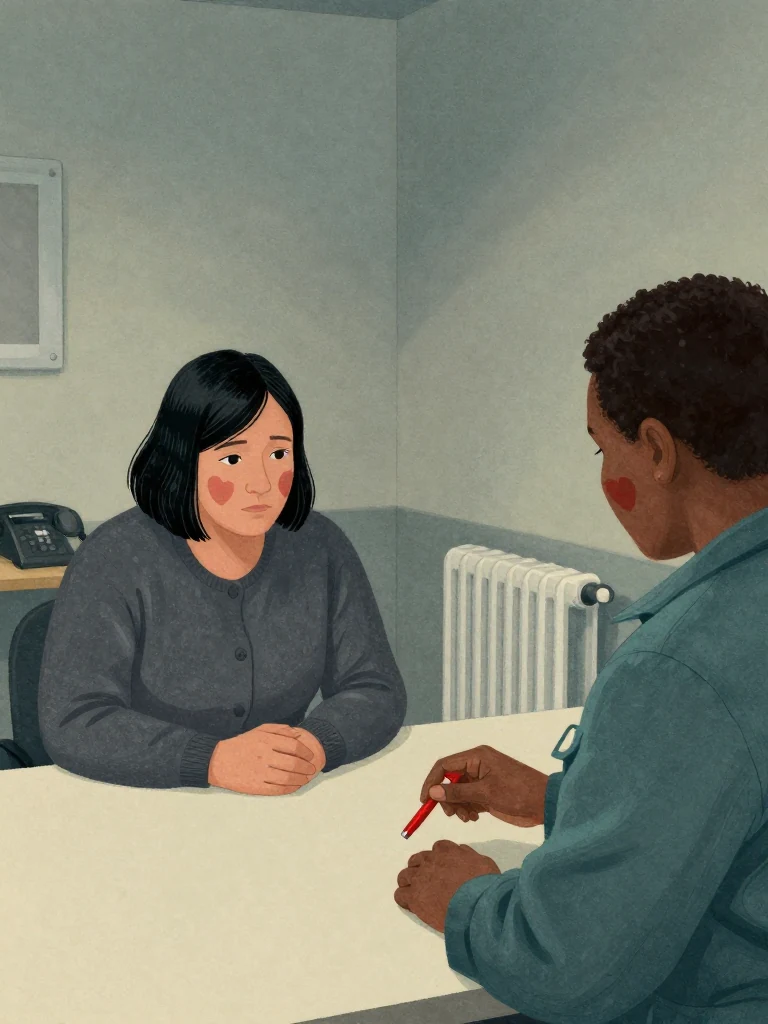
The reproduction took the next day. Mrs Adeyemi arrived in her church coat with her daughter and a folder of photographs organized better than most case files Hana had ever handled.
"Sixty-one years my name has worked for a living. Now it gives evidence against boys I've known since christening? No. We correct this today."
She gave her statement under caution with the dated photographs; the market's Monday closure went in with three stallholders and the cleaning rota; Hana's comparison of memo and letter was exhibited with both documents. She counted it for Brook the way she counted everything, fingers up, in the interview room.
"The week in Deptford, the Monday market, and a letter answering arguments nobody published."
Brook read for eleven minutes without speaking. Custody suites have a particular silence — paper, radiator, somebody's phone two rooms away — and Hana sat inside it watching the sergeant's pen hover and not write, hover and not write.
Then Brook checked her watch against the custody clock, twice, and stood.
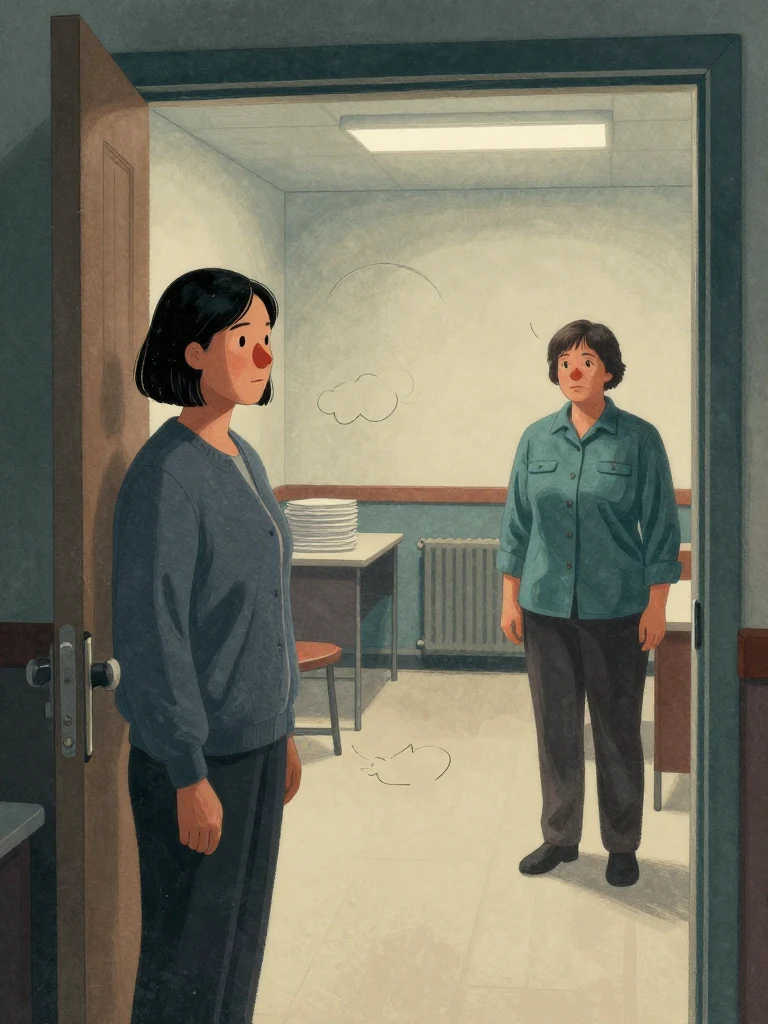
"Re-interview, then release. The statement and your letter go up as a suspected perversion inquiry."
At the door she stopped, and her voice went, if anything, more procedural — which Hana was learning to read as the sound of Brook believing.
"One thing for the file, Ms Cho. The template analysis in your memo. Where did that come from?"
The question was fair. That was the worst thing about it.
Priya's pull was lawful, logged, defensible — and traceable the moment anyone official asked Alderline the same question with a warrant behind it. A name given here was a career spent there.
"My own inference. From the document shells and public filings."
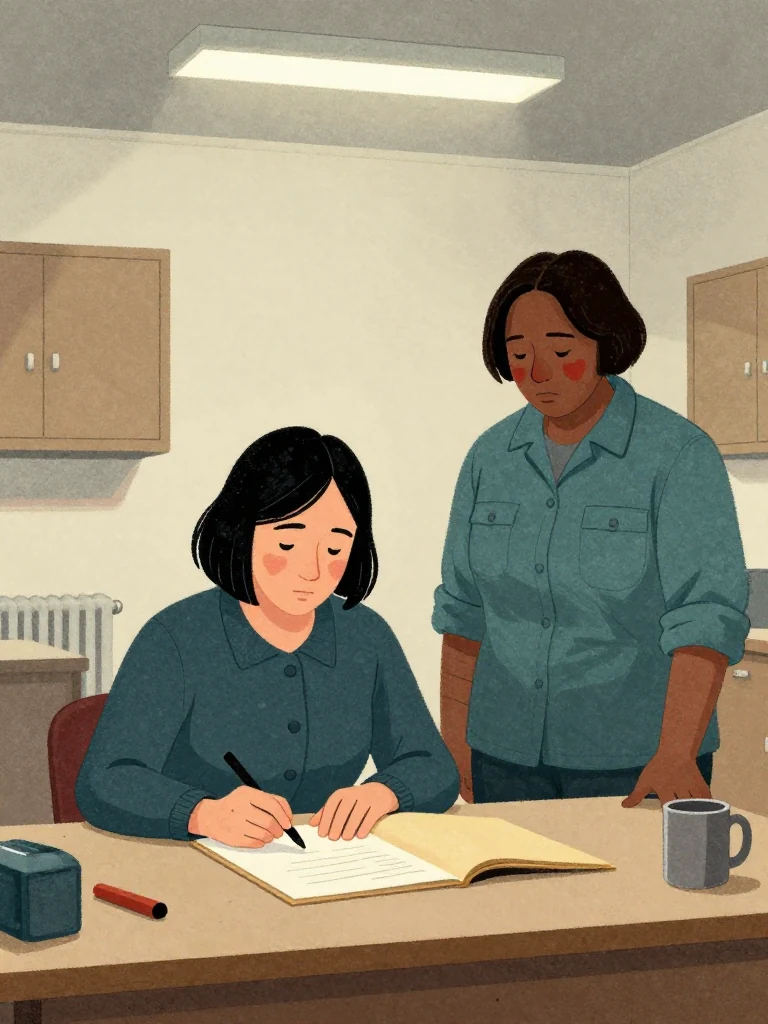
Brook looked at her steadily.
"Alderline's template lineage isn't public."
"Then note that I declined to elaborate."
"I will. On the record."
She did. It went into the file in Brook's block capitals — representative declined to identify analytical source — a debt logged as precisely as the credit beside it. Hana signed beneath it and found her hand steady, which surprised her.
The re-interview took forty minutes. Hana waited on the steps with Duru, who had stopped drinking tea and started simply holding it, and when the doors opened it wasn't a solicitor's phrasing that came out first — it was Chidi, blinking at the ordinary dark like a man checking it was still issued to everyone.
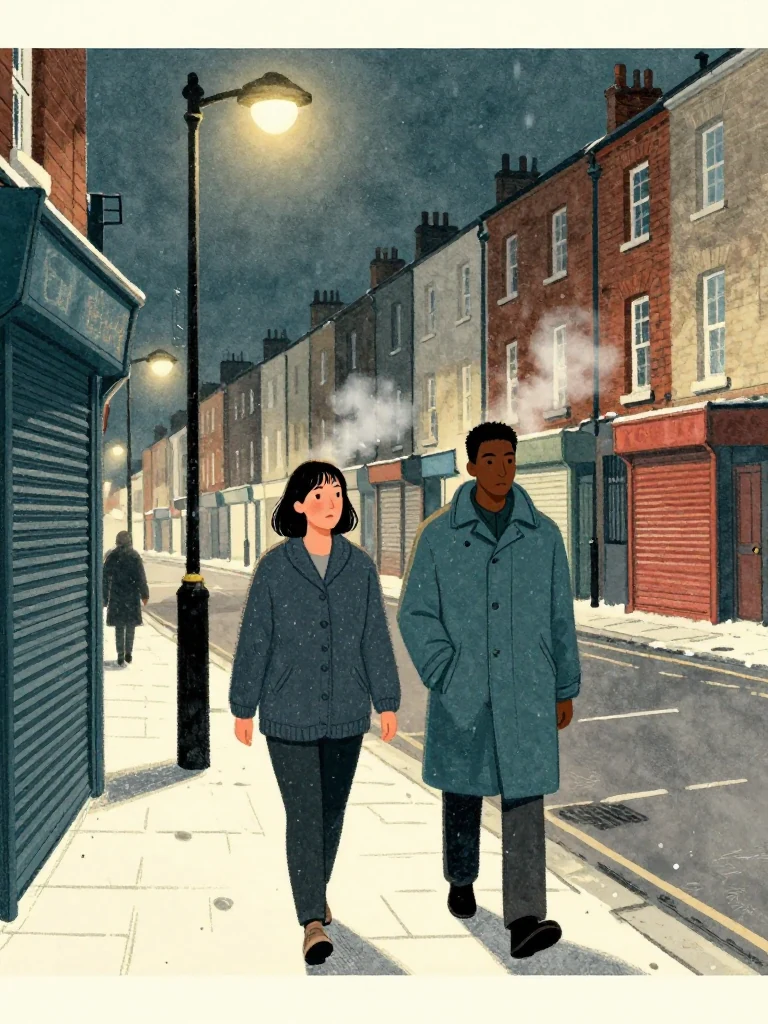
He came out with his apron folded under his arm, and Duru held him so long that the desk sergeant looked away. The street absorbed him back — someone's car, someone's kitchen, the practical machinery of Marrow Lane closing around its own.
Sam walked Hana home in the November dark.
"You didn't give them Priya."
"There was nothing to give. My inference."
"Right."
He let three streetlamps pass.
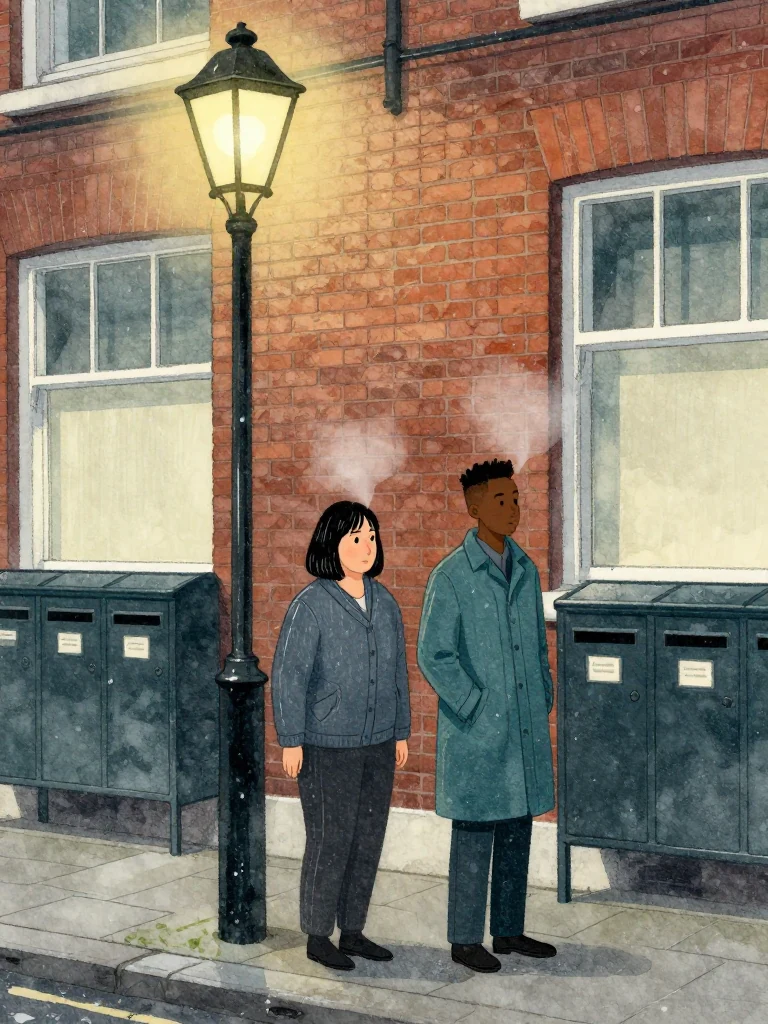
"You know he'll try something else. The letter didn't work, and he knows it didn't, because everything's in the record — including how we broke it."
"I know."
"So what does he read next?"
Hana thought of the estate clearance date on Rosalind's schedule. Of a will redrafted five weeks before a death. Of every paper her name had touched since October, all of it filed, all of it — readable.
"Whatever's already written."
She watched her own breath in the cold and heard how much the sentence carried.
"Which is why tomorrow we go and read it first."