12 panels · Automated checks complete
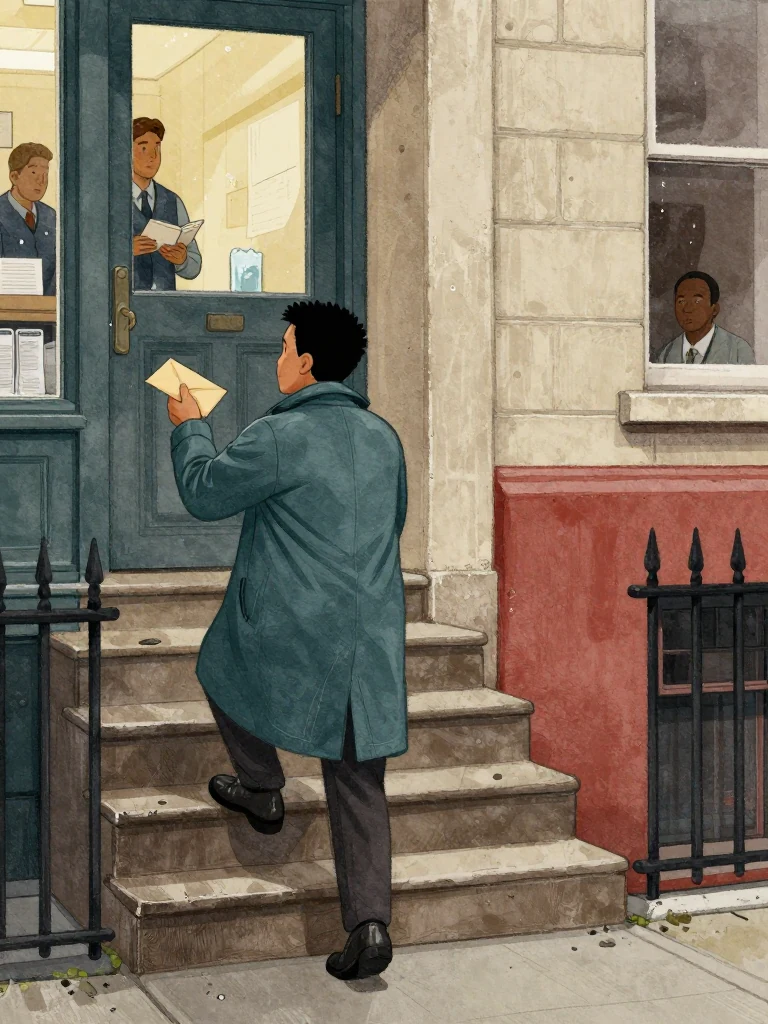
Six days after the reopening letter, the corner office got its first client who wasn't family.
Duru the fishmonger came up the stairs with Sam, smelling of ice water and carrying a folded letter the way men carry summonses. His stall had flooded in October — a burst pipe over a weekend — and Alderline had rejected the claim.
"They say I moved my best stock out before the pipe went. Staged it."
Duru put the letter on the desk and his cap beside it, in the order of a man who had rehearsed being calm.
"Nineteen years I've had that stall. Sam's father vouches for me. He said the lady upstairs beat them once already."
"The lady upstairs got one claim reopened. That's not beating anyone yet."
"Reopened is a door. I've been standing in front of a wall."
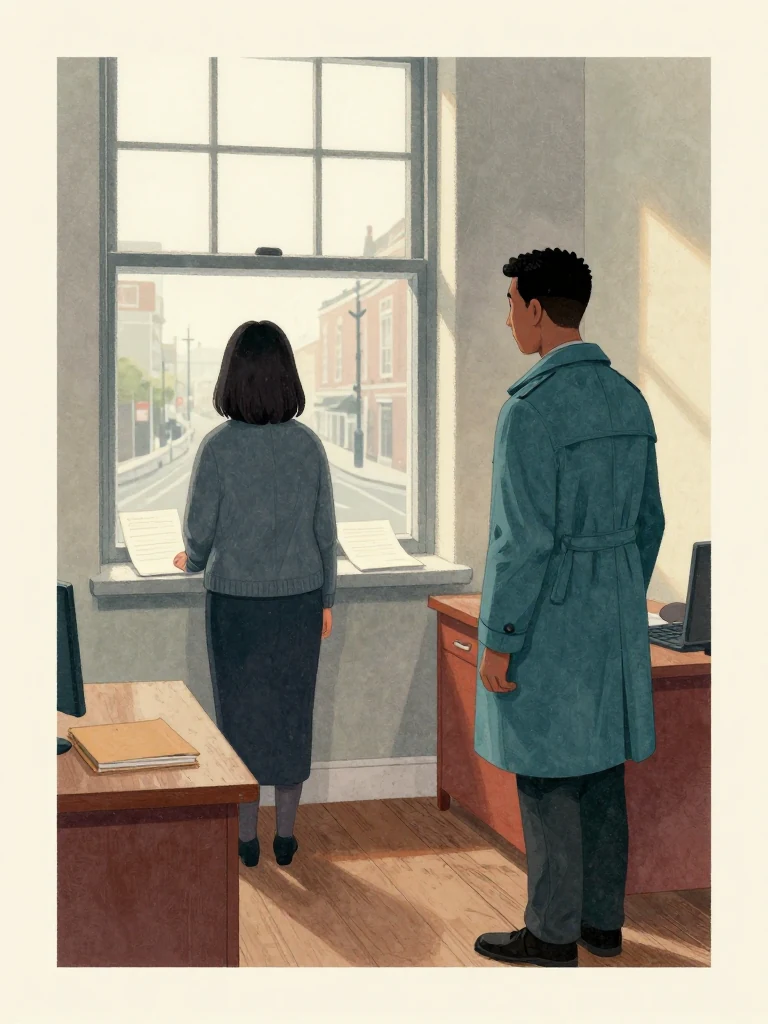
"May I?"
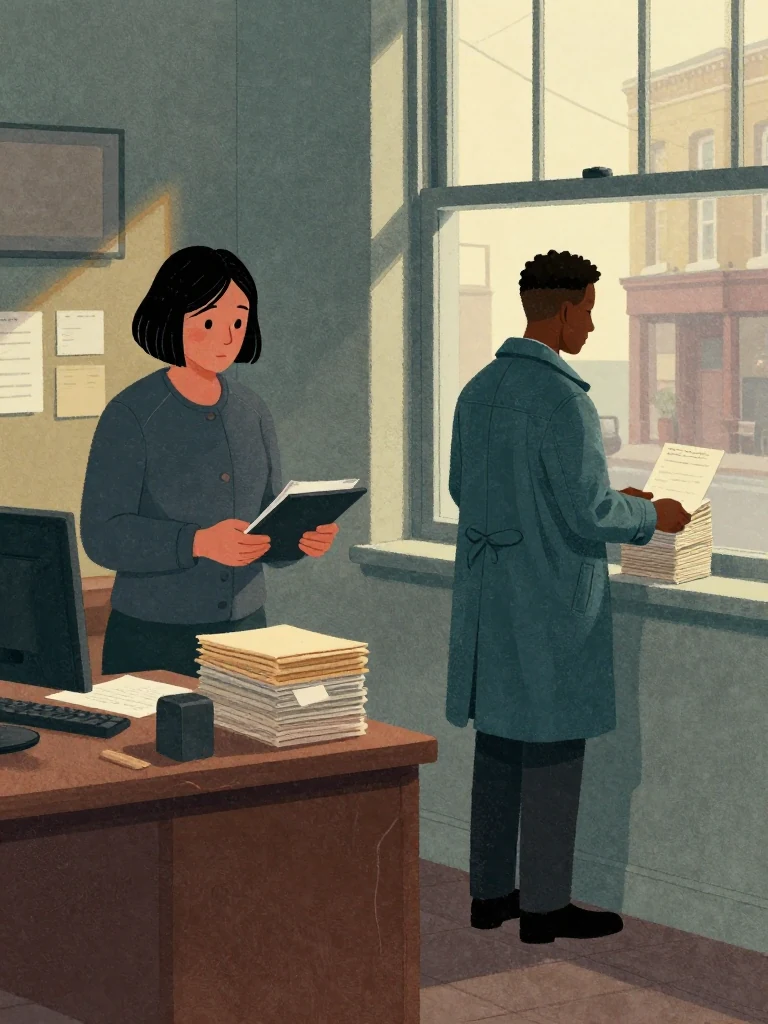
Hana read it at the window in the November morning light. Halfway down the first page her spine understood before her checklist did.
The rhythm. Every paragraph anticipating its own objection, answering one sentence early. No loose threads. She laid the fire letter beside it on the desk and the two documents breathed in step.
"Sam. Look at the paragraphs. Don't read them — look at them."
Sam looked. His jaw set.
"It's the same walk. Different man, same walk."
"That's a feeling. Feelings lost last week until we found dates."
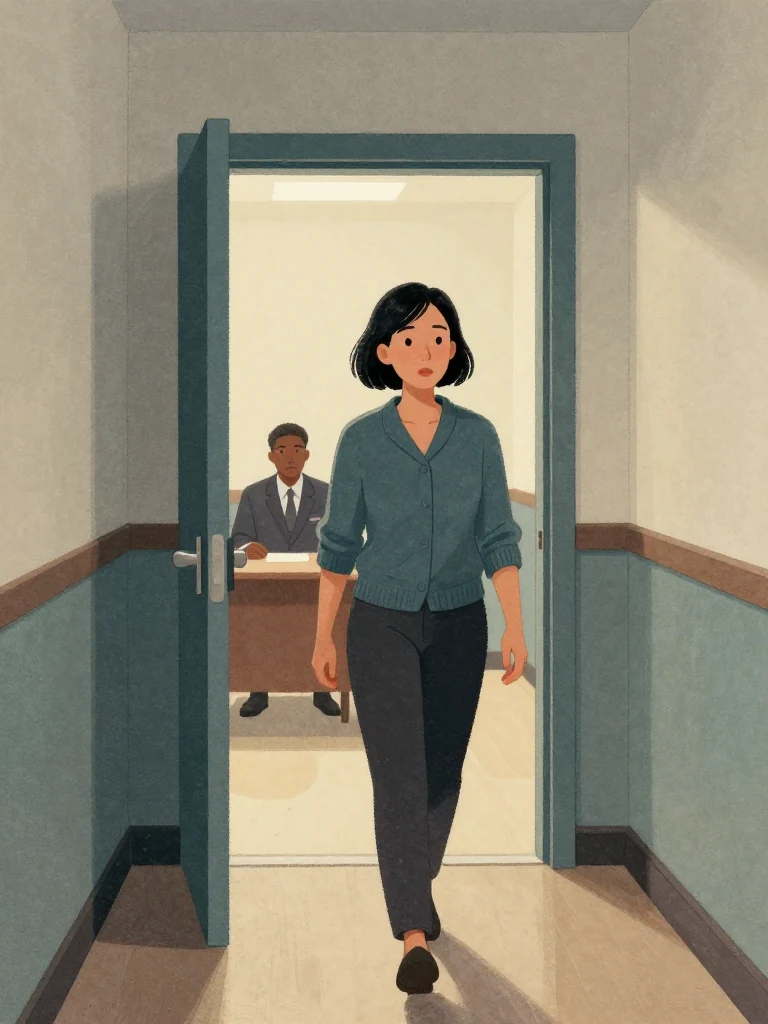
She photographed both letters side by side anyway, and by ten she was at the Limehouse nick asking for DS Brook, because a pattern belonged with someone who could act on patterns.
Brook gave her four minutes standing up.
"You're showing me prose style."
"I'm showing you two claims, one corridor, five weeks apart, rejected on evidence that answers questions nobody asked."
"Two bad files is a coincidence, Ms Cho. Bring me an author."
"Define author. What would you need?"
Brook paused — the question wasn't the usual kind.
"Tooling. Provenance. A human fact that can't survive. Something reproducible that says one hand held the pen twice. Until then this is literary criticism, and I've got nine open cases."
It was a refusal shaped like a map. Hana took the map and left.
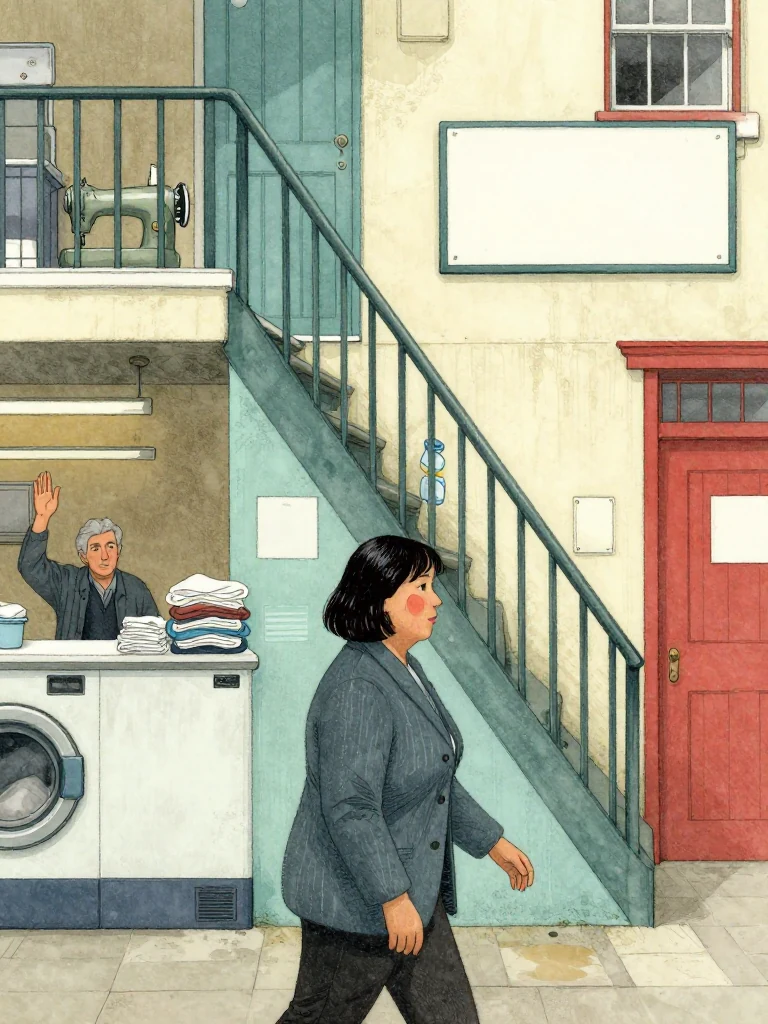
Downstairs at the laundrette, the reopened claim had bought the family an interim inspection date and the smell of fresh paint over old smoke. Grandma Ndidi's sewing machine ticked overhead as Hana passed through, and Sam's father lifted a hand from the counter — the wordless banking of a debt neither side would name. The office above them was earning its keep or it was nothing. She took the stairs two at a time.
The template question needed Alderline's insides, which meant it cost what it always cost. She met Priya at the coffee cart two streets from the office — never the same cart twice — and stated the price before the ask, the way she made herself do it.
"This is a two-favor question, and it's loggable. Someone auditing your access could see a pattern pull across two unrelated claims."
"You've been rehearsing that."
"Since Tuesday."
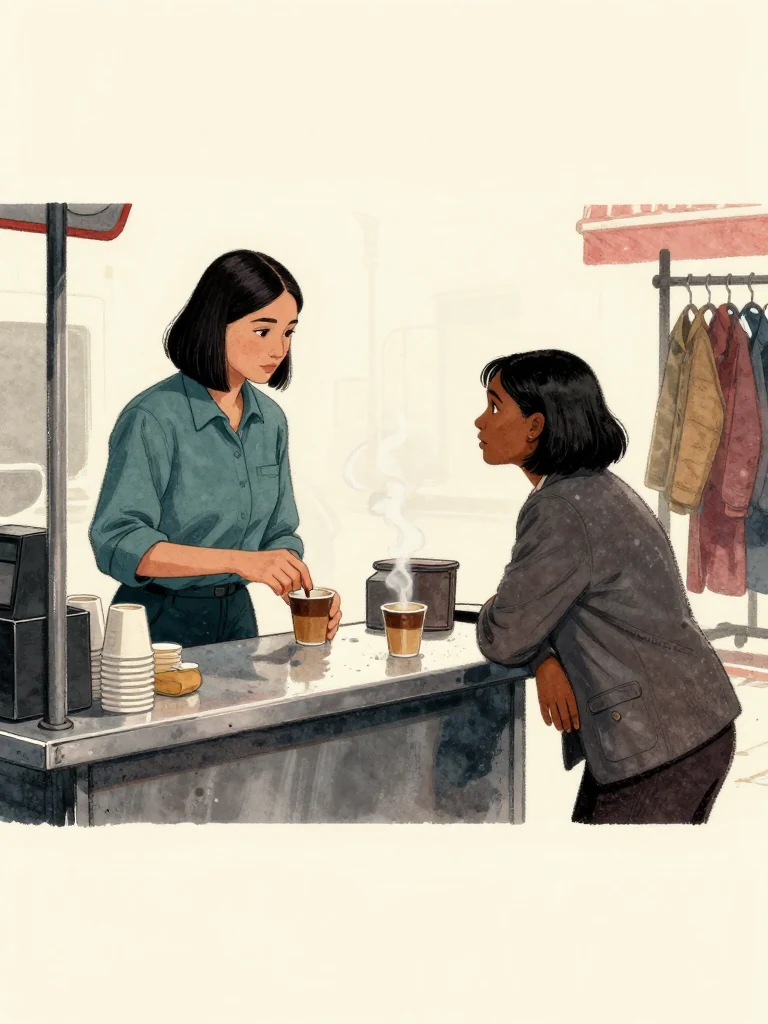
Priya stirred her coffee, quick and level.
"Reserve review covers both files — the fire one's reopened, the flood one's contested, both sit in my band. Access log will say reserve review. Which is also true."
"Pri."
"I know what I'm pricing, Han. Send me the claim numbers."
The answer came back the next evening, in person, on a printout she would not email.
"Same template build. Retired eighteen months ago. Both files."
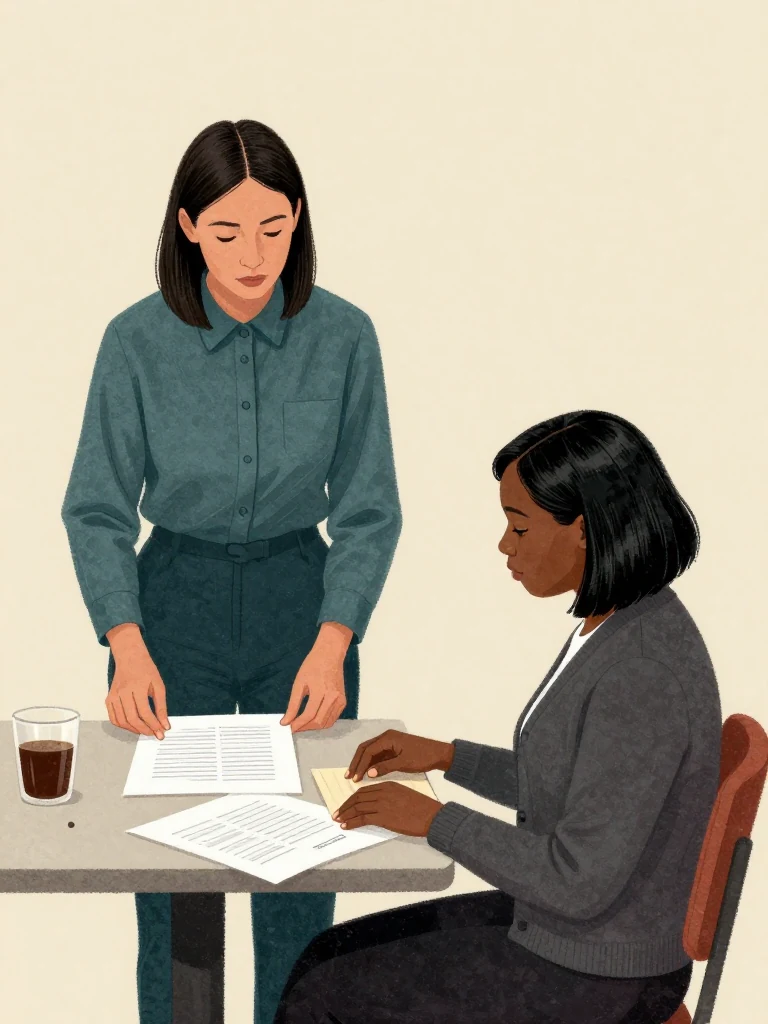
Priya laid the metadata side by side, footnoting as she went.
"The report shells these findings were written into — they're an old build of our field-report template. We retired it in a system migration. Nothing generated inside the building has used it since. And both your files are built on it."
"Meaning the reports weren't generated inside the building."
"Meaning exactly that, or someone kept a dead template alive off the books."
She tapped the printout.
"Either way, that's tooling and provenance. That's two of your sergeant's three."
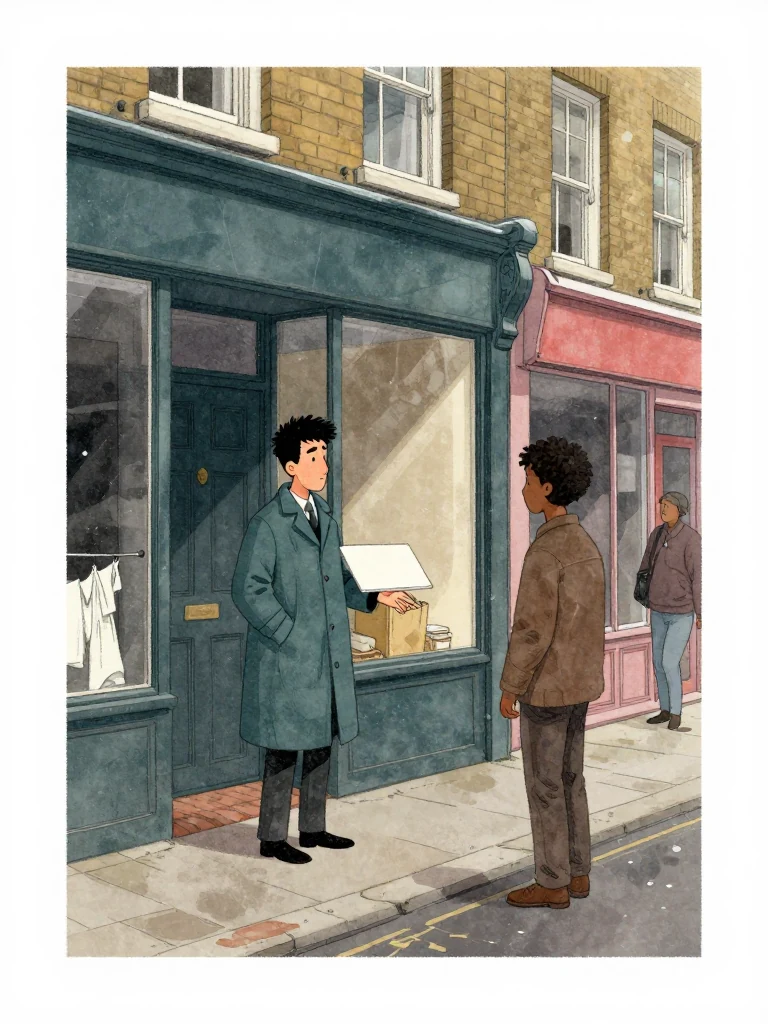
The third was human. The flood file's spine was a witness statement: a neighbor, Mrs Adeyemi, who had seen Duru's van being loaded with stock two nights before the pipe burst. Signed, dated, plausible.
Sam took the canvass, because on Marrow Lane a question from Sam was a favor between neighbors and a question from anyone else was paperwork.
He came back at four with his notebook and a bag of oranges he'd somehow acquired en route.
"She was at her sister's in Deptford the whole week."
He set the notebook down like evidence, which it was.
"Left the Saturday before the pipe, back the Sunday after. Church trip photos, dated. Her daughter drove her. She never gave any statement — nobody's asked her anything until me. And she wants to know who's been signing her name, because her name, she says, still works for a living."
The office went quiet around the three documents.
"So the file has a fabricated human in it. Not just tidy paper. Someone wrote a witness."
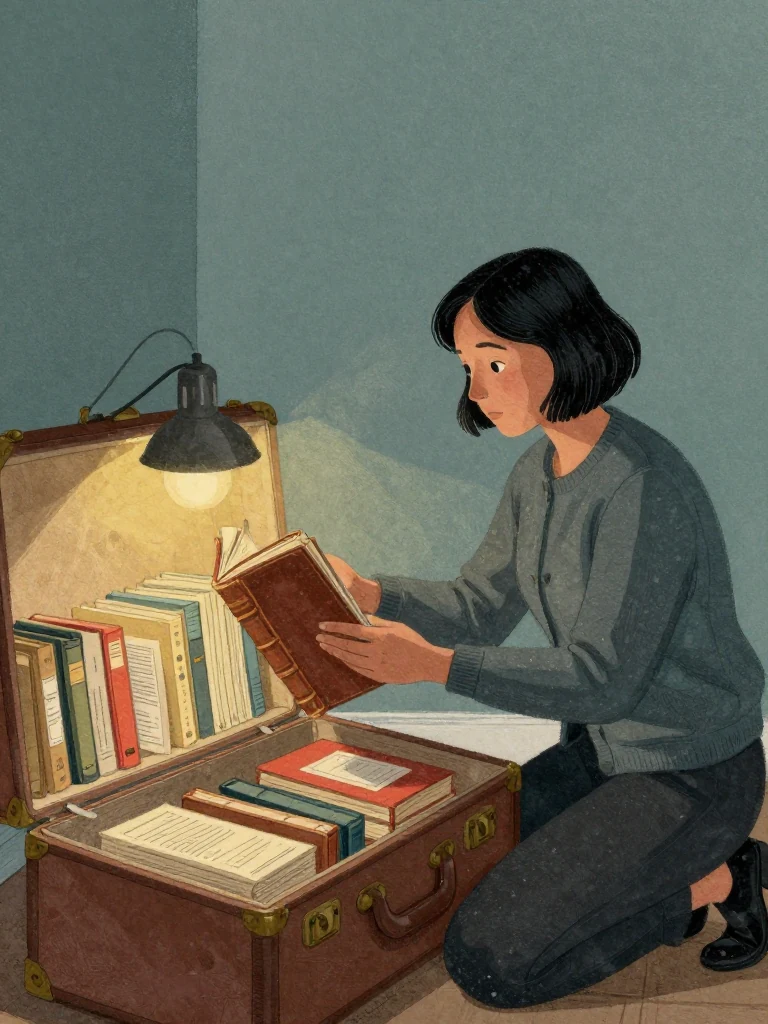
Before drafting, she went back to the trunk and reread the Norwood margin, because the method said entries got consulted, not remembered. Finch's 1977 verdict sat where it had sat: authored scenes balance; real scenes leak. Beneath it, in the later ink, the question he'd left for whoever came next — and if the same hand balances twice?
Twice was now. She had his answer to write.
She drafted the memo that evening with the lamp on and the trunk at her back: numbered, sourced, photographed. The fire file and the flood file, compared. One deliberate imperfection in each — the diagram date there, a misdated invoice here — one flaw each, placed like a signature. One retired template build under both. One witness statement contradicted by an empty week in Deptford.
She read it aloud once to the empty office, counting on her fingers out of old habit.
"One, the flaw. Two, the template. Three, the witness who wasn't there."
Then she filed it into the appeal record under the Okonkwo claim and served a copy on the flood claim's handler, because a finding that lived only in her drawer was a finding that could be shrugged off one conversation at a time. The record was where her work outlived dismissal.
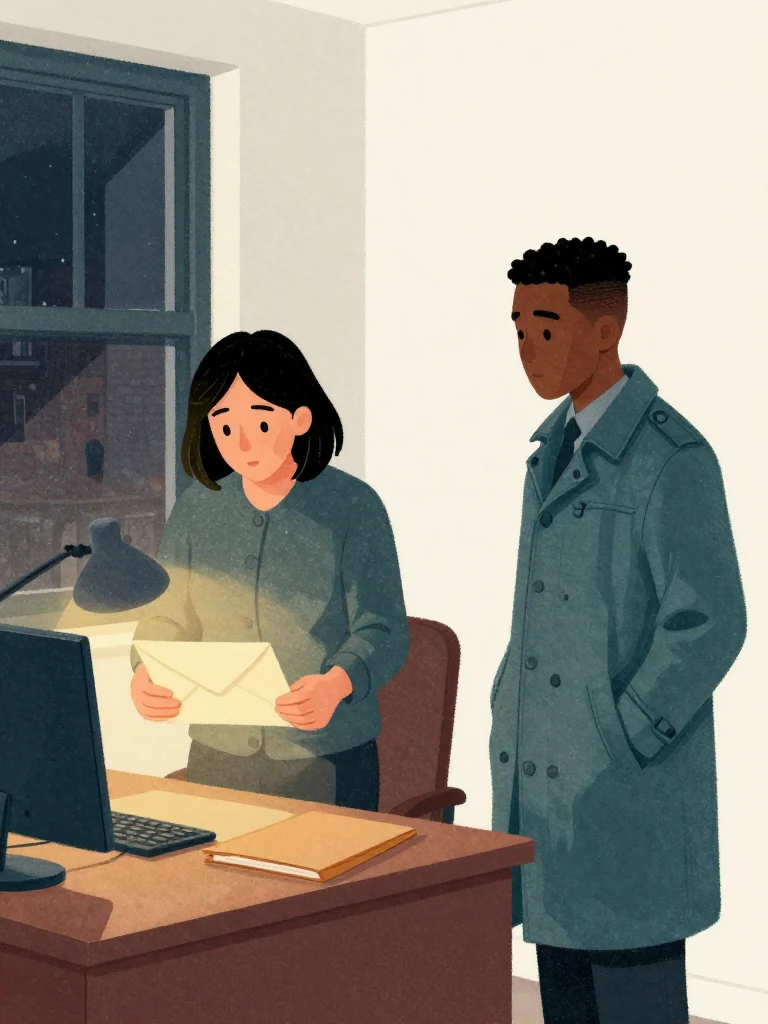
Sam watched her hit send and alphabetized his canvass notes at the window, neater than they needed to be.
"He'll read that. Whoever he is."
"Yes."
"You want him to."
Hana didn't answer, which they both understood to be an answer.
Brook rang the next day — four minutes again, but seated this time, which at the Limehouse nick was a currency.
"The witness is real?"
"Real, alive, angry, and in Deptford all week. Her daughter has the photographs."
"Then log everything and touch nothing else in that file. If a fabricated statement's in there, that's not an insurance quarrel anymore. That's somebody's charge sheet."
"Whose?"
"Depends who the paper points at when people with warrants read it."
The warning letter arrived two days after that, cream envelope, embossed letterhead, the same signature that had rejected the fire claim.
Sam brought it up with the post and stood there while she read, because some letters change the temperature of a room and this one did.
Dear Ms Cho. Alderline Assurance took its regulatory obligations seriously. Representatives engaging with contested claims were reminded of the provisions governing interference and inducement. And then the sentence the whole letter existed to deliver:
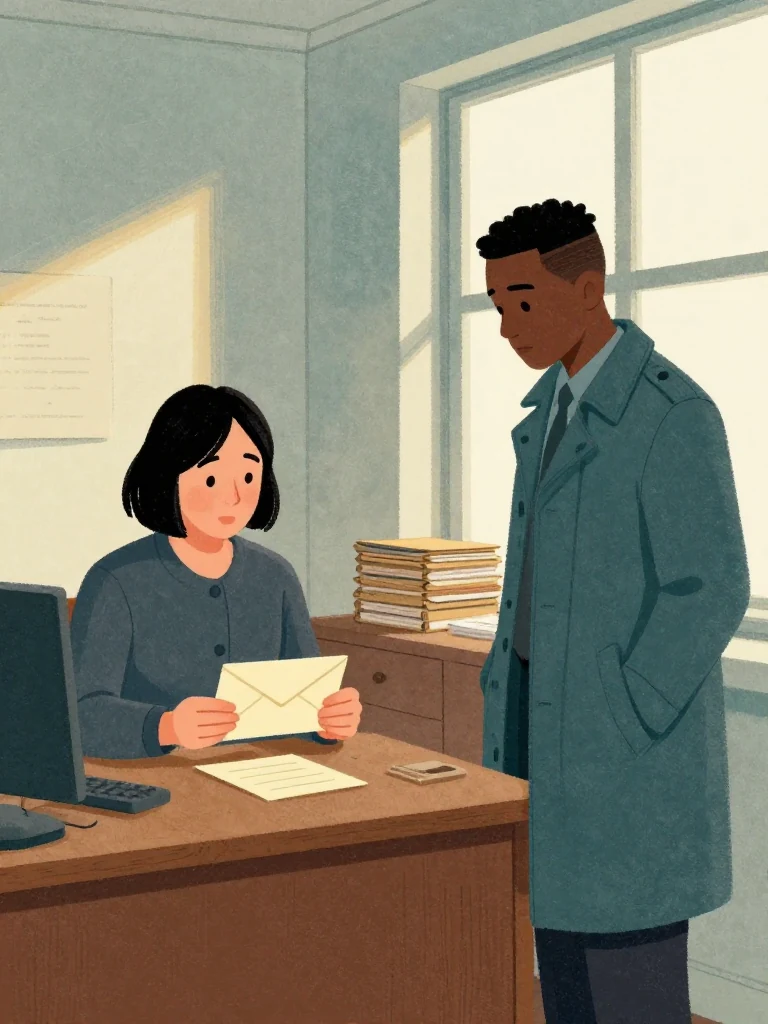
"Your recent representations have been noted and are under review."
Noted. Under review. Her name, in a directorate file, again.
Sam read it over her shoulder.
"They're not looking at the files. Two files with a fake witness and a dead template, and they're reviewing you."
"The building protects the building. The letter's not the strange part."
Hana set it in the case file, next to the memo it was answering, and looked at both a long moment.
"The strange part is what it protects. Someone sends Alderline ready-made files built on their own retired tooling, and the building's reflex is to warn the person who noticed. That's not embarrassment. That's plumbing. The files come in through a pipe somebody trusts."
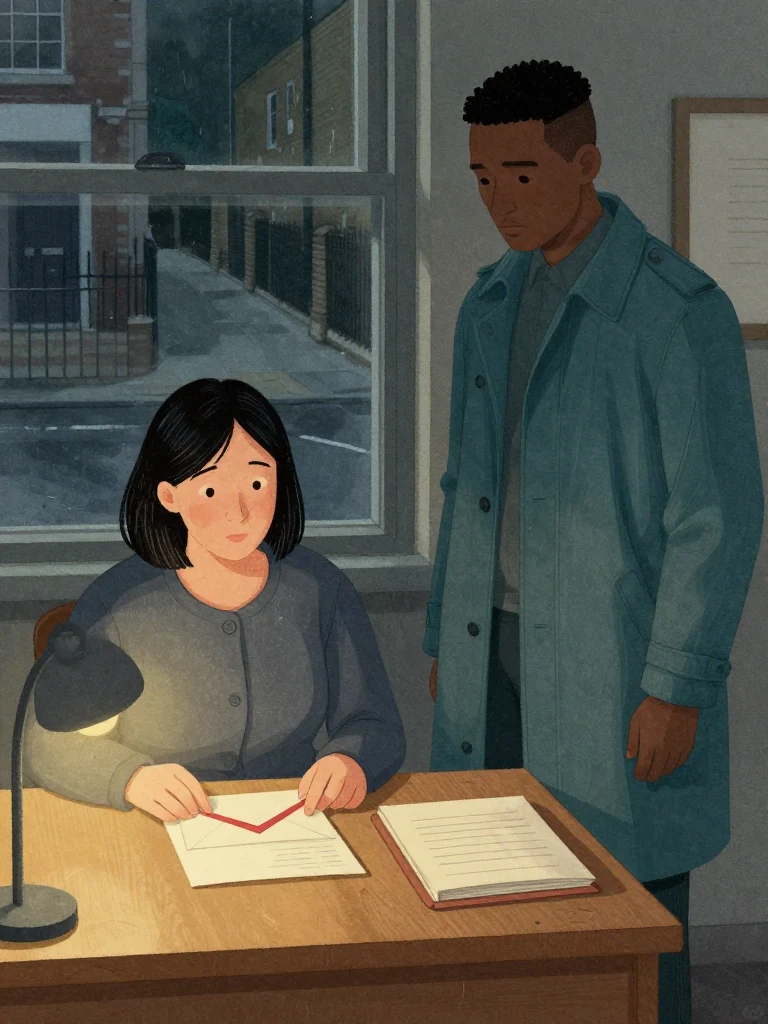
"Inside?"
"Inside, or upstream. Priya can see everything the building generates. She couldn't see who delivered these."
She turned off the lamp. Through the window the fish stall's awning was furled for the night, and the street that had brought her two authored files in five weeks went about its dark, ordinary business.
Upstream, then. Somewhere a hand with dead templates, live signatures, and a reader's interest in everything she filed.
She thought of the trunk across the landing of her own flat — the sliced card, the fresh white edge. A reader with keys. A reader with tooling. She had no bridge between those two facts yet, only the discipline not to build one out of feeling.
But she wrote both facts on the same page of her notebook that night, side by side, the way she had laid the two letters on the desk. Paper next to paper. Let the rhythm show itself.
Let him read the memo. She had counted the fragments aloud for a reason.