12 panels · Automated checks complete

Eleven days after the receipt came out of the elevator year, the town filed into the council chamber under fluorescent light and festival bunting, and the condemnation case was read into the record as two hundred pages of upstate competence.
The report was good. Noor had read it three times and could not catch it lying once. It didn't need to lie. It selected: deferred maintenance histories, incident photographs — her own held gangway among them, framed as evidence of fragility — and a conclusion in the passive voice, in which condemnation was not recommended by anyone but simply emerged, like weather.
Her slot came after the dinner recess. One demonstration, twenty-five minutes, exhibits as submitted. She had built a scaled hinge assembly on a stand — the gangway pin's little brother — and a wax-analog sample to show lubrication denial in miniature. Her submitted statement listed every number that mattered, because it always did.
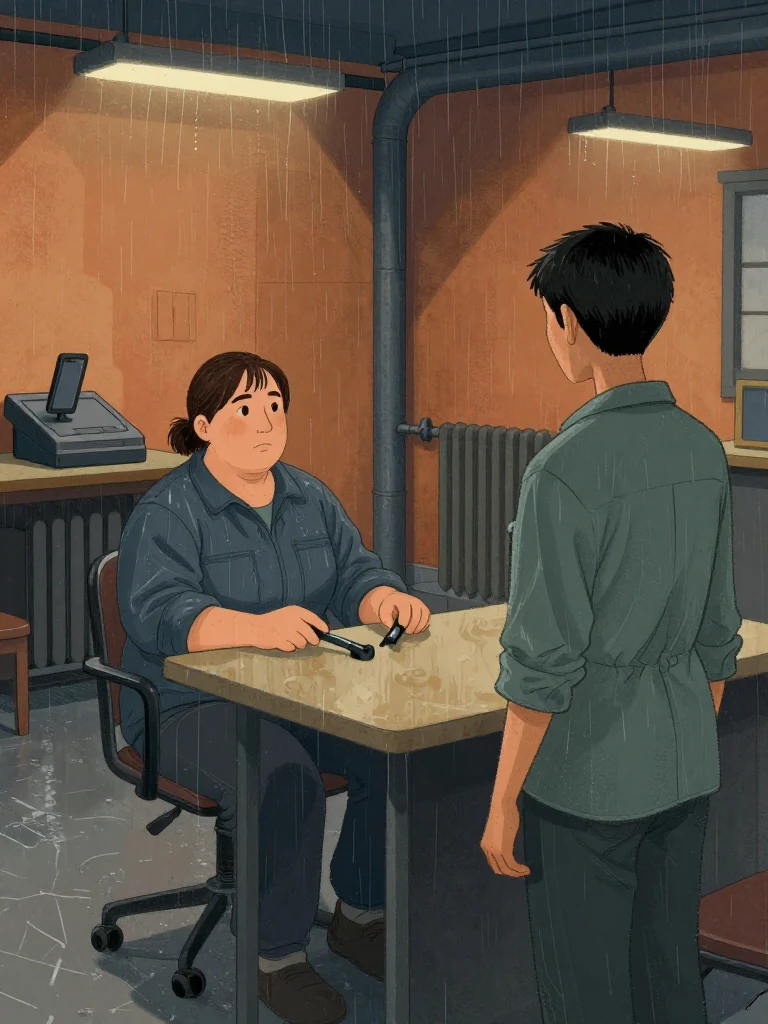
The chamber was warm. The radiator beside the demonstration table had been breathing on her staging box for the better part of an hour, and she noticed it the way you notice a thing thirty seconds after the last moment it could have been fixed.
The demo failed at the margin's edge. The sample, rated in her statement to thirty-one degrees, had crossed it in the staging box, and the miniature pin spun free a full minute early, in front of the full council, on camera.
Somewhere behind her, someone exhaled a laugh. In the second row, Juno's pencil stopped moving. At the press table a phone rose, steadied, and began to record — late for the failure, in time for whatever she did about it. The chair looked at her the way chairs look at witnesses who have just become a scheduling problem.
"Ms. Haddad. Do you need a moment?"
"No, Madam Chair. I need the record."
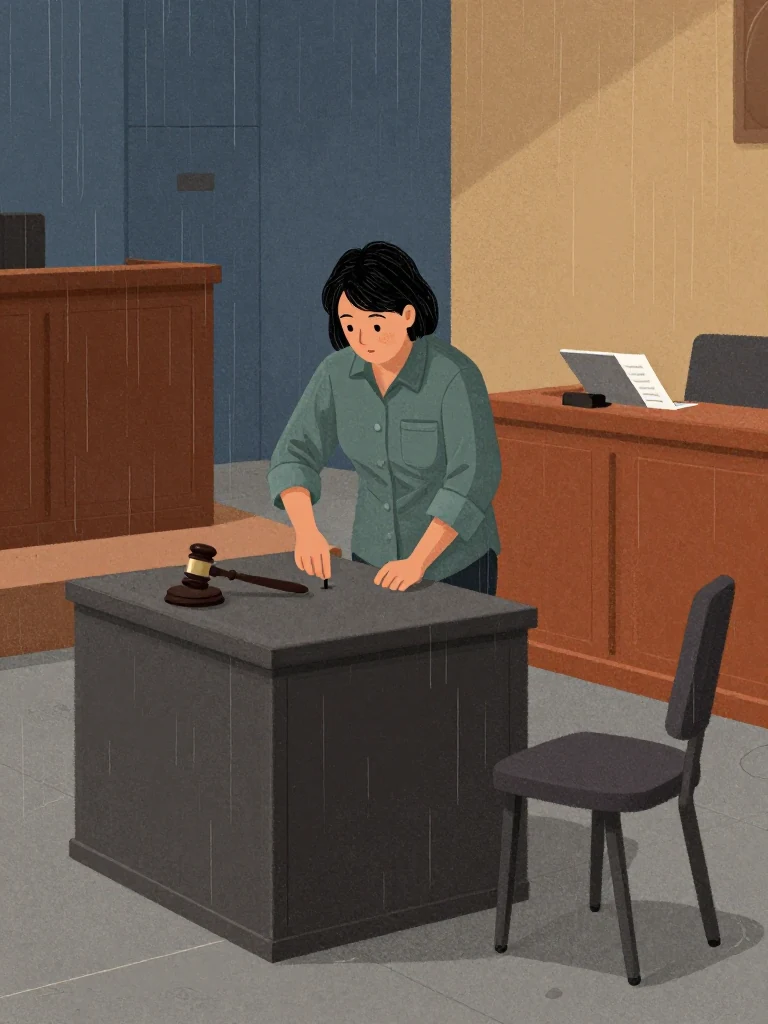
Calder's counsel was on his feet before the pin stopped rolling.
"Madam Chair, if the demonstration has concluded, we'd object to any re-staging. The witness's procedures allow a single run."
Her procedures did say that. On page four. He hadn't had time to find it; he hadn't needed to look. Noor stood over her failed rig, and felt the room deciding, and did the only thing the method knew how to do in public or anywhere else. She catalogued.
"Let the record show demonstration one failed at eleven minutes past eight."
She said it before the chair could.
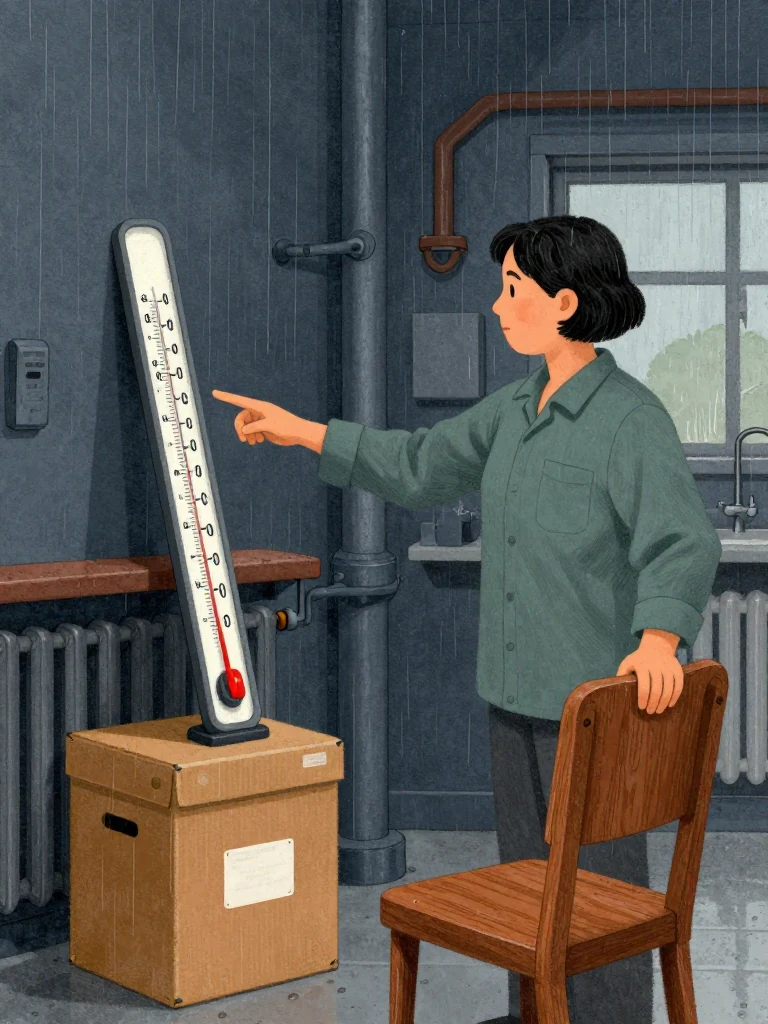
"Wax analog, rated to thirty-one degrees. The radiator's been at my table for an hour. Somebody check what the sample reads now."
The clerk, after a nod from the chair, laid the kitchen thermometer from the exhibit kit against the staging box.
"Thirty-four, ma'am."
"Stated margin: the sample holds to thirty-one degrees. Your chamber has been kind enough to prove me honest."
Nobody laughed this time. The chair's gavel stayed horizontal.
"The margin was in my statement before I built the rig. Failure inside a stated margin is data. You just watched the method work."
Counsel objected — relevance, theatrics — and he was overruled, and he objected again two minutes later to the document camera's use for unadmitted pages, except that every page was admitted, because everything she was about to read had been sitting in the exhibit folders for a week.
"Then I'll proceed. Demonstration two is paper."
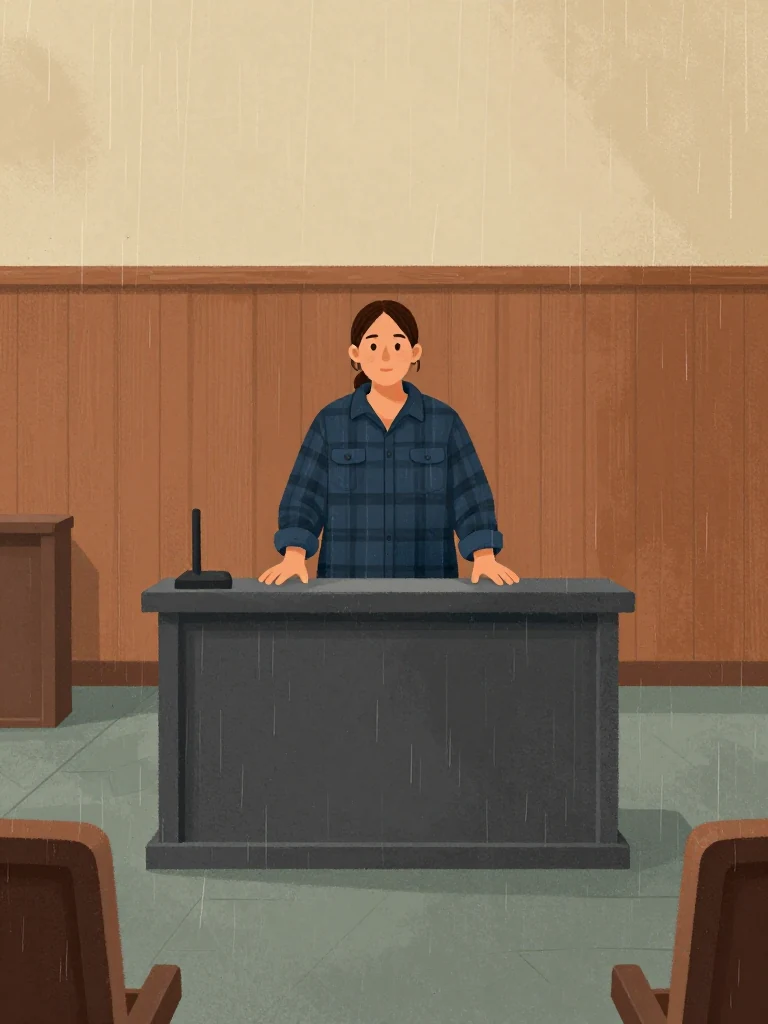
Juno took the stand first, because the catalogue was hers to cite. She wore the flannel shirt with the fewest paint marks and answered in the format she had built at a diner counter.
"Box nine, notebook four, page twelve, tag 0141. Box eleven, notebook two, page thirty, tag 0146."
"And who authored these margin notations, Ms. Vance?"
"Gideon Marsh. I catalogued them. Authorship is in the handwriting exhibit, page two."
"Do you have an opinion about what these numbers mean?"

"I'm the log, sir. Interpretation isn't in my scope."
She said it the same way all three times he tried, and the third time the chair's mouth moved, briefly, in a way the record would not capture.
There was a ten-minute recess before the main reading. In the corridor, Juno opened her own notebook to a page Noor knew before she saw it — September twelfth, the squeal, the word GREASE in capitals.
"First entry of the whole catalogue. I keep thinking — if I'd told somebody in September."
"If you'd told somebody in September, they'd have greased a hinge and the series would still be invisible. You logged it instead. The log is why tonight exists."
"You're saying that so I can get back on the stand."
"I'm saying it because it's true. It working on you is extra."
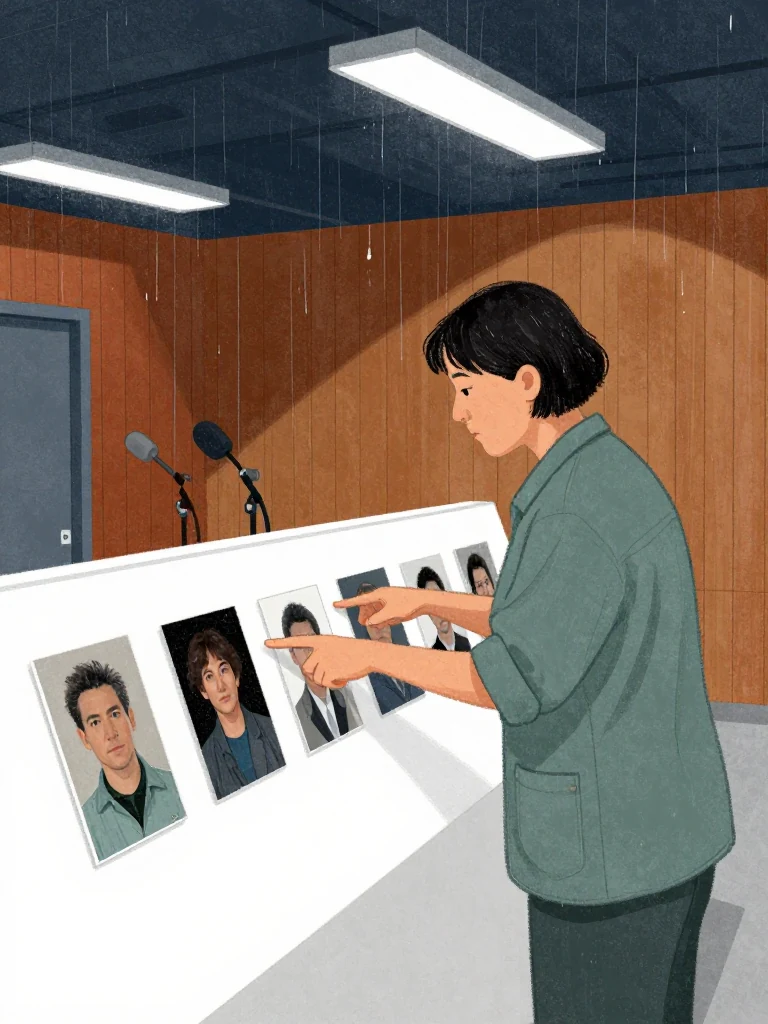
Then Noor walked the council through it on the white square of the document camera: nine years of boxed numerals in a dead man's margins; the tag photographs from Pump Nine and the gangway, sequential; the two-rig reproduction record with its cycle counts; the amended ruling; the count-back landing on the county's own inspection window.
"Nine years of tags. One die. One calendar. Every page of this was in your exhibit folders before I stood up."
A councilwoman on the near end — Perez, who ran the hardware store's books — leaned into her microphone.
"Ms. Haddad, in plain terms. Are you telling this council our infrastructure is failing, or that it isn't?"
"Both, ma'am. Your infrastructure is old and underfunded, and the report is right about that. And someone has been spending its remaining margin on purpose, on a schedule, to make old look like doomed. The first problem needs money. The second needs the state."
"And the report's authors missed the second problem?"
"The report's authors were never asked about the second problem. Look at their scope letter. Exhibit forty-one."
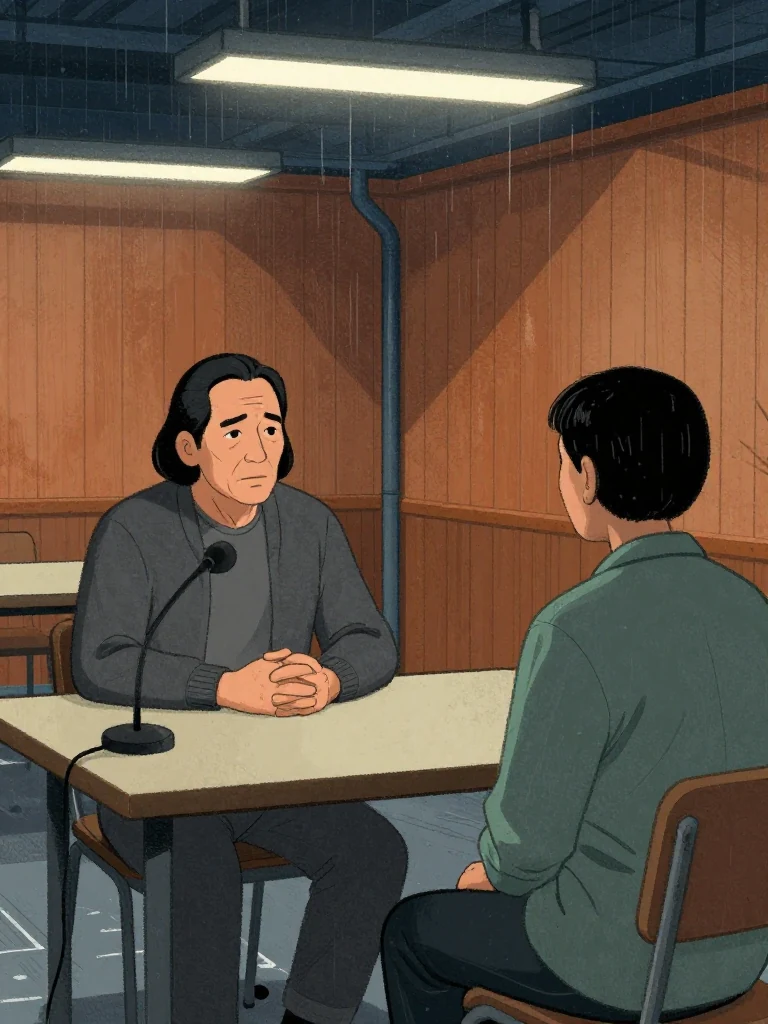
Counsel rose for the move she knew was coming, because it was the move she would have made.
"Ms. Haddad's license is suspended, and she is under a formal warning from the county fire marshal's office for unlicensed repairs. The council should weigh the record's source."
"The council can weigh the source directly. The county fire marshal is on the witness list."
Reyes testified in complete sentences, slowly, on purpose, and did not look at her once, which was how she knew what it was costing.
"The amended ruling rests on a reproduction I witnessed and can cite. Her license status does not change what I watched shear."
"You amended your own county's finding, Marshal."
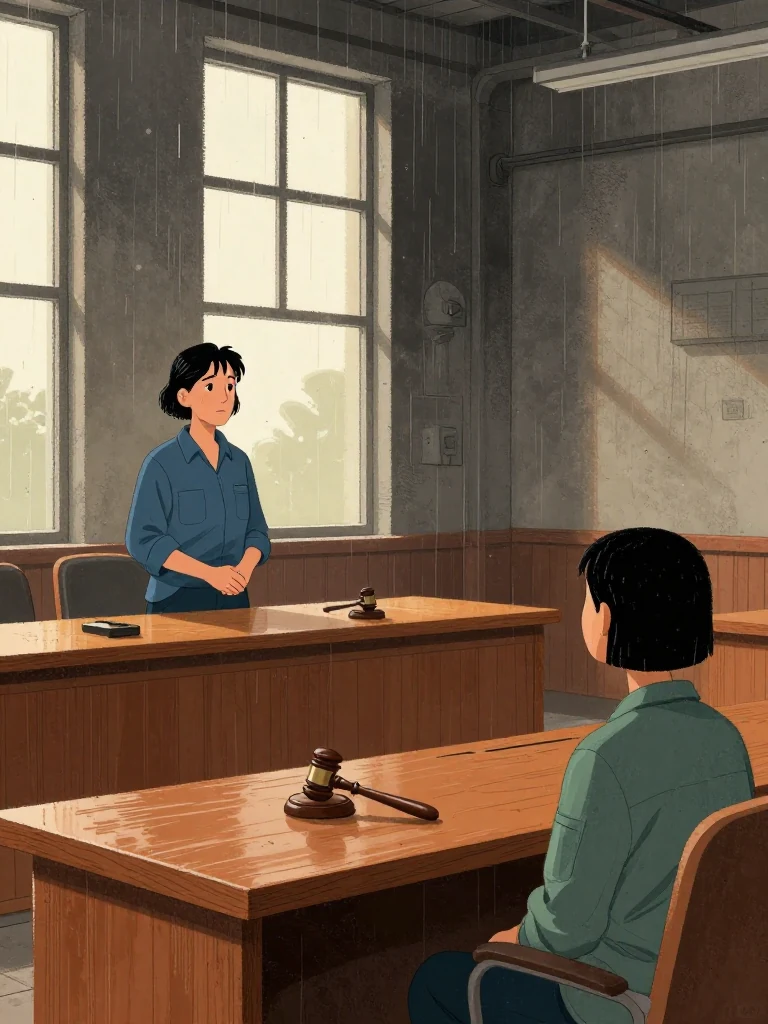
"I did. The finding was wrong. The test was reproducible. Those two facts are the whole of it."
"You've issued this witness a formal warning. Do you consider her reliable?"
"I consider her documented. Reliability is a feeling. Documentation is a record. I brought the record."
"No further questions."
It was Odile Calder who ended the evening, rising with council-room warmth and a motion so polished it had plainly been drafted before the recess — which told Noor the whole story of the last hour: Calder had watched the catalogue assemble and repriced the room in real time.
"I asked for an assessment I could rely on. If the record now questions the assessments, the record should say so before the town votes."
The motion carried. The vote was delayed pending the referral question — not defeated, delayed, festival week becoming a hearing date instead of an execution date.
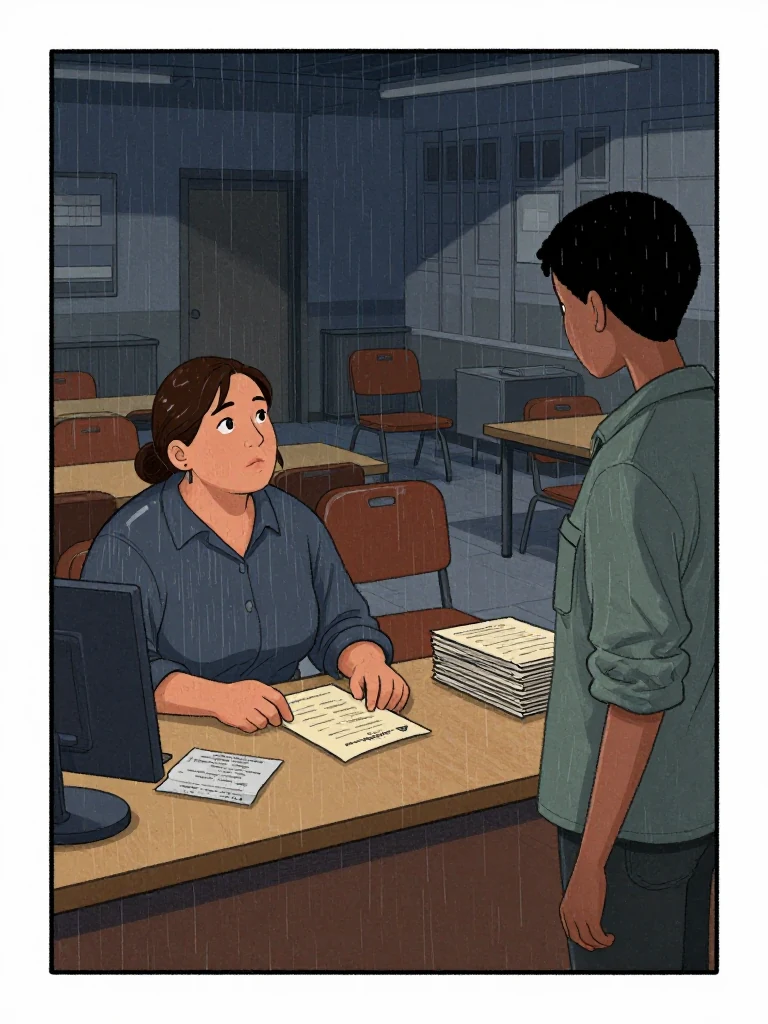
The last exhibit went in almost unattended, at the clerk's table, while the chamber emptied. The serif comparison — her photographs, the county's reference strikes, an examiner's letter Marta had called in a favor to fund — was accepted and stamped, and it named the instrument on the record.
"Retired county die number three. Consistent across all catalogued tags."
Stapled behind it, the retirement inventory sheet, requested by Reyes through channels that had taken all eleven days. Die three, signed into dead storage, with a date at the top of the page.
Juno read the date, and then read it again, and her voice went to the size of the margin notes.
"That's the year the elevator fell."
"It's also the year Marcus Hale resigned from the county."
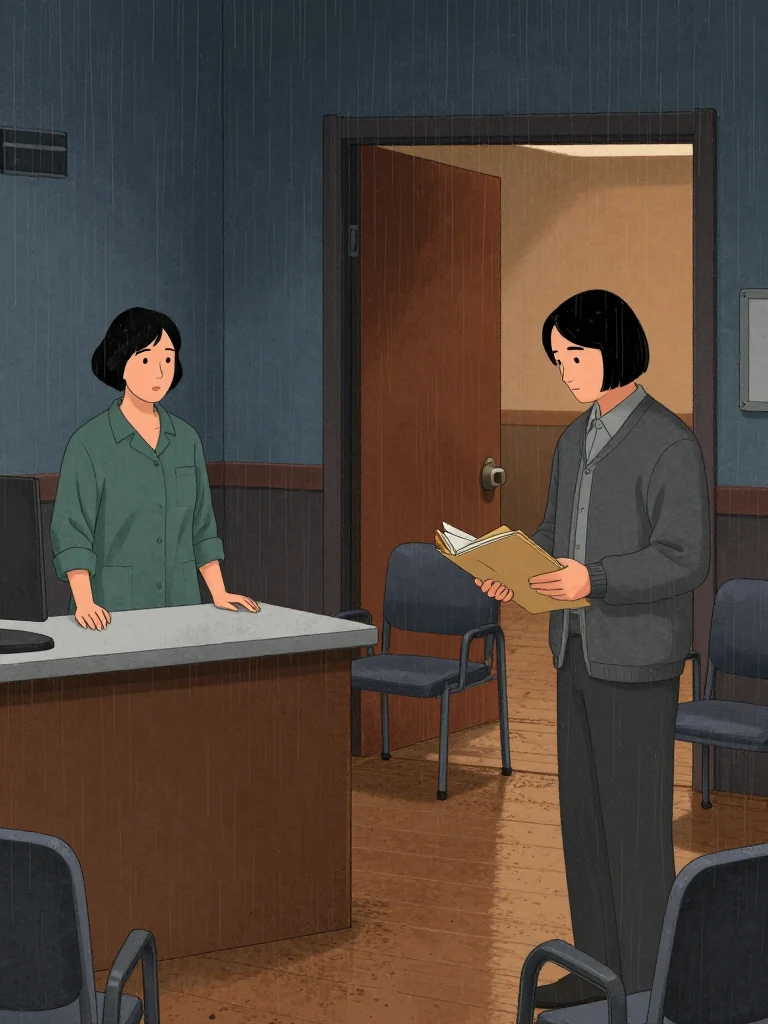
Noor said it quietly, to the clerk's table, in the emptying room. Reyes, gathering his folders, went still without looking up. He did not say careful. He said the truer version.
"A date next to a date. That's all it is tonight."
"I know. I'm not going to say the sentence."
"Don't. The sentence gets said by evidence or it kills the case."
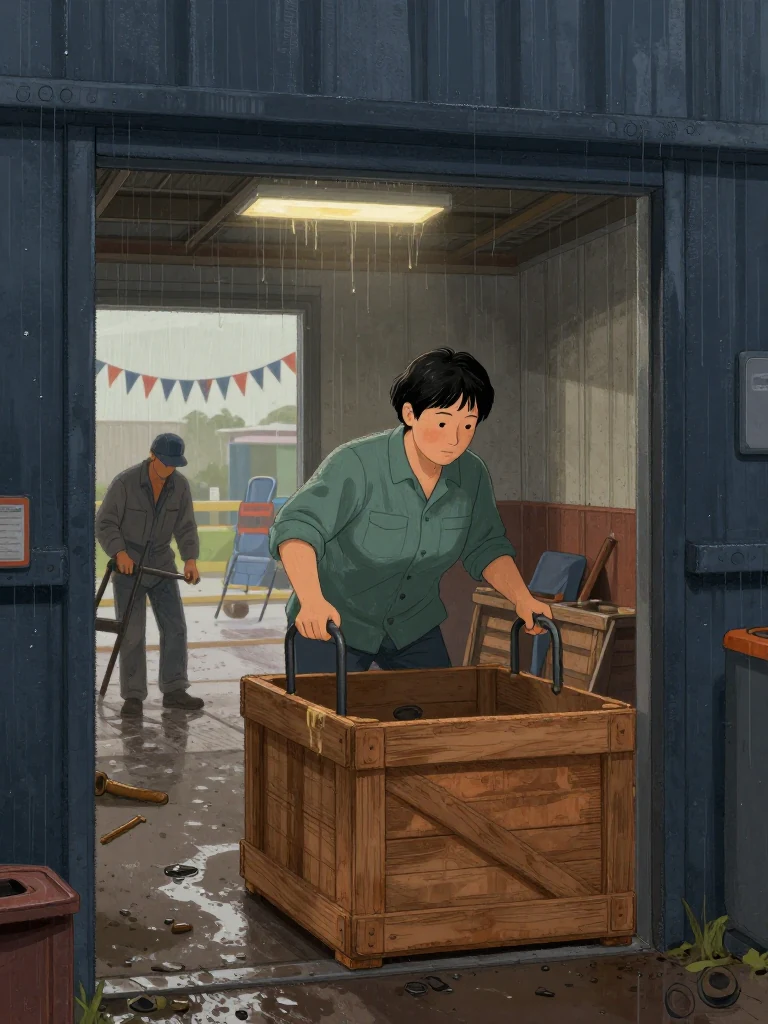
Marta and Teo were waiting by the chamber doors with the crate dolly, because the yard did not let its people carry their own defeats.
"That pin spinning off. That's going to be everywhere by breakfast."
"It is."
"And you put the failure in the record yourself. On purpose. Marta, she wrote the losing number down before she rolled the dice."
"That's the whole method, Teo. If I only log the wins, I'm just the report with worse funding."
Marta snorted, took the crate, and said the thing the evening needed said by somebody who signed paychecks.
"Delayed is paid work, Haddad. The yard's open tomorrow. Both of you sleep."
She stacked her failed demonstration rig into its crate. The clip of the little pin spinning free was already somewhere on the county's social feeds; by morning it would have a caption and by festival week it would be an argument. That was the price of margins: you paid them in public.
Outside, the bunting was up along the harbor road for a festival three weeks out. A delayed vote was a better outcome than the season had any right to expect, and it had cornered something that owned a calendar and could no longer use it. Whatever came next would not wait for an inspection window. It would come at the festival, at the king tide, with the whole town watching — because the whole town watching was now the only argument left that could beat her.