12 panels · Automated checks complete
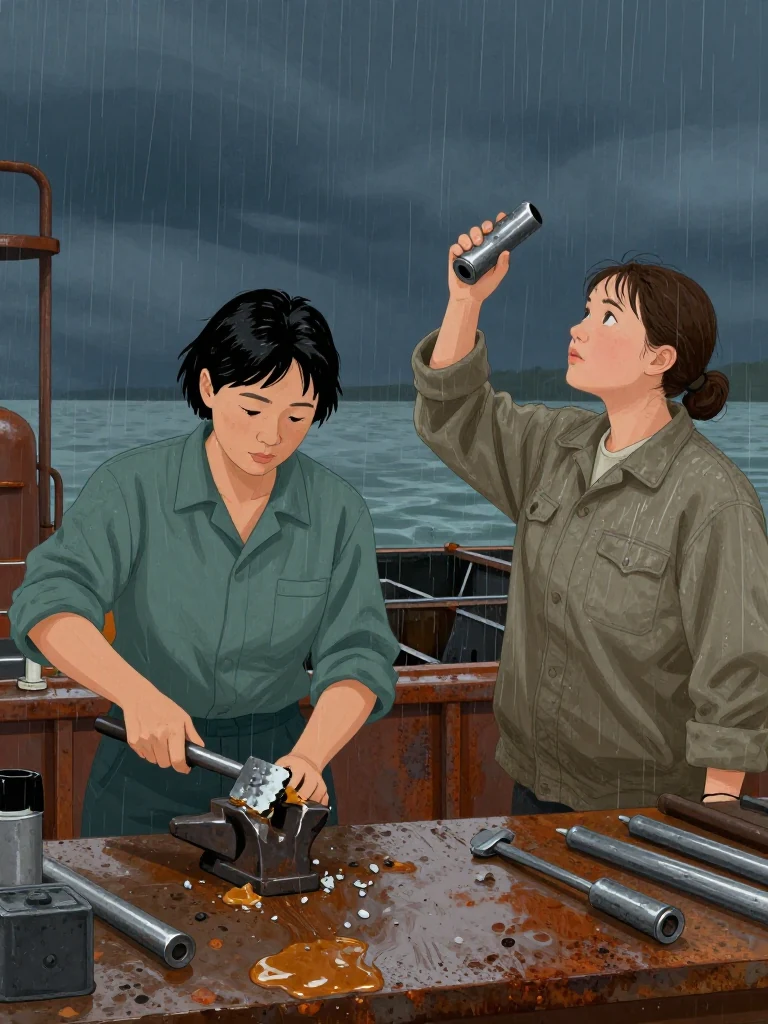
The advisory put the king tide two feet over prediction, and Marta read it off the marine radio twice, the second time louder, as if the river argued.
Noor Haddad kept scraping the anode in the vise. Zinc came off in gray honeycomb under her blade, spent the way it was supposed to be spent.
"Okay but why does it look eaten."
Juno Vance held up her own anode like evidence at trial. Nineteen, yard gloves too big, notebook tied to a pencil string.
"Because it was. Zinc gives up its electrons before steel does. Bolt it to a shaft and every stray current eats the anode instead of the boat."
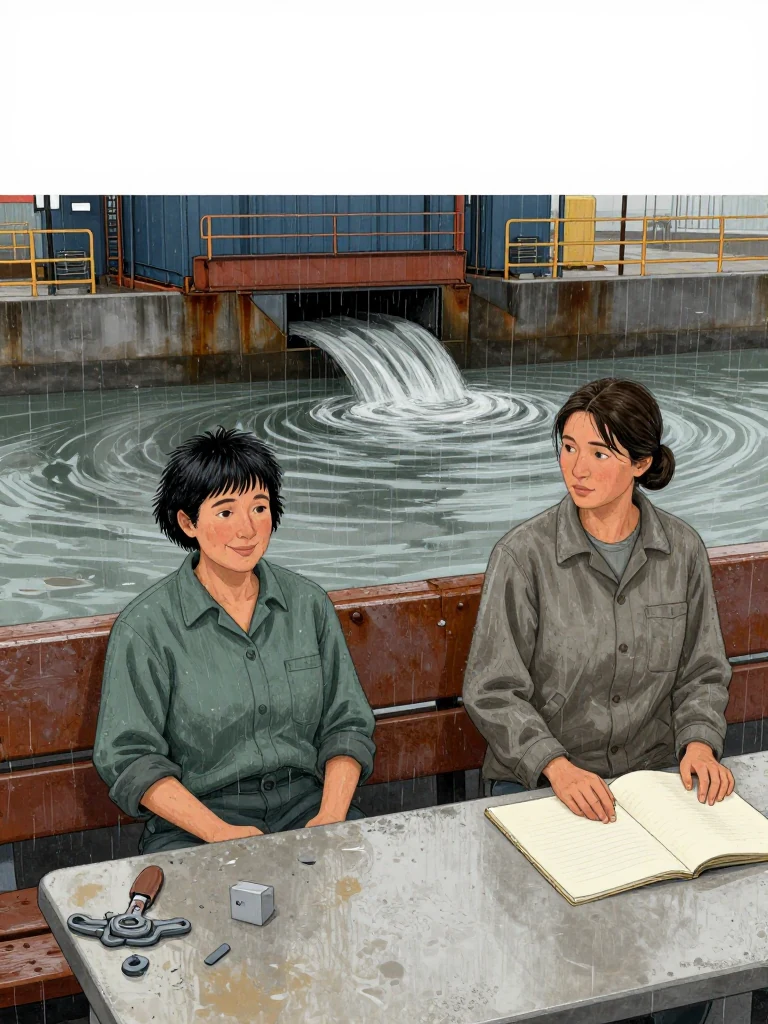
"So it dies on purpose."
"It dies on schedule. That's the whole job. Metal with a work ethic."
Juno wrote that down, said the time out loud while she wrote it, and Noor pretended not to be pleased.
At thirty-four, Noor had learned to keep her pleasures where inspectors couldn't log them. A bench, a blade, a kid asking why. Nothing with her name on it.
Across the slip, the travel-lift basin turned its slow whirlpool over the intake, the way it did at every low ebb. Juno followed her look.
"Marta says the slip drinks air on the ebb and kills the wash-down pump."
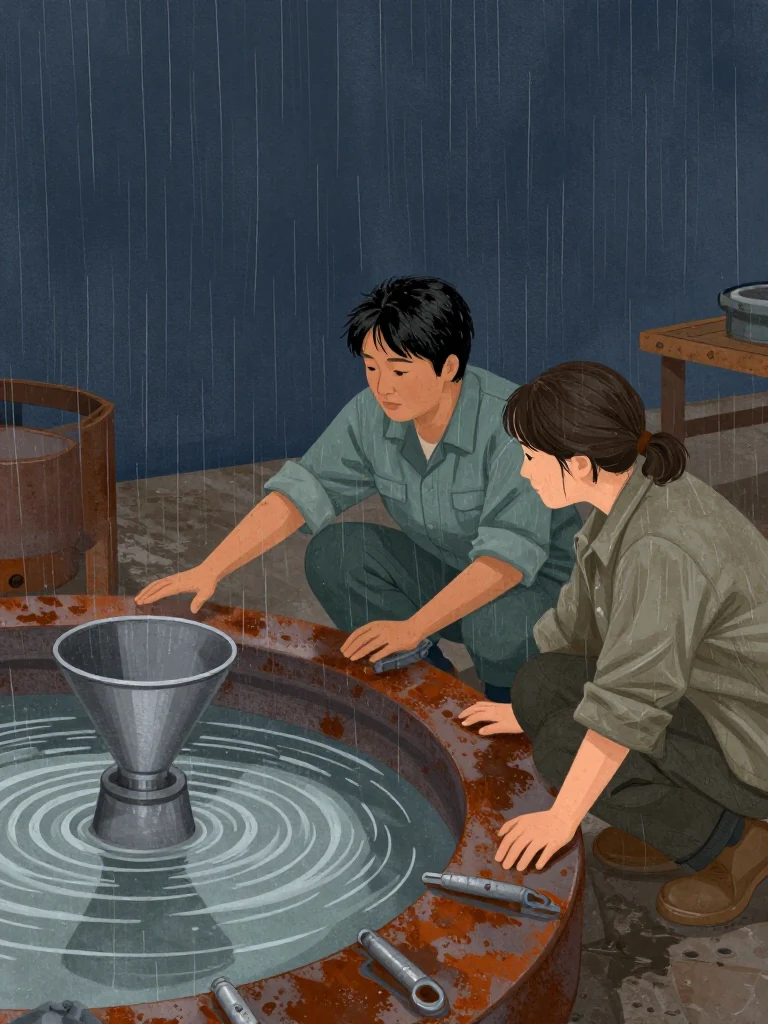
"It's a vortex. Suction pulls a funnel of air down the middle. You don't need a new pump. You need to break the spin."
"With what?"
"Anything that floats flat. A raft of barrel lids over the intake kills the swirl. Ugly as sin. Works every time."
"Barrel lids."
"Write it down or it didn't happen."
Juno wrote it down.
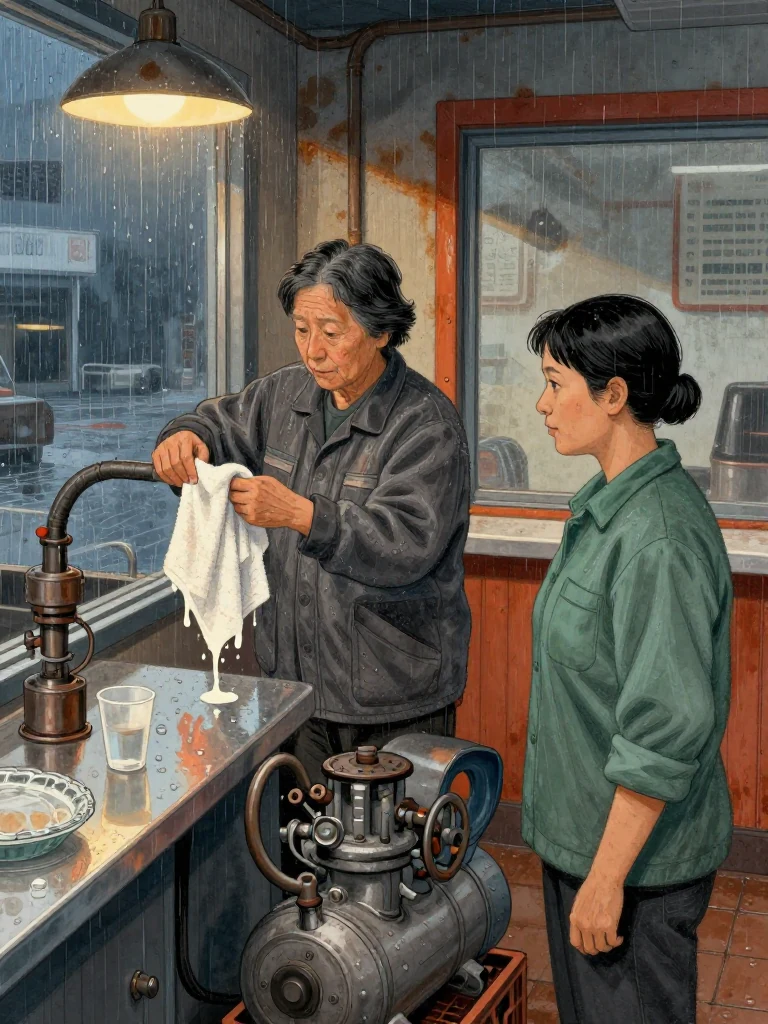
The storm-prep list ran long, and by four Marta sent Noor for the coffee order. The Marsh Diner's bell did its two-note ring, and the smell was coffee and pie sugar and something laboring — the walk-in cooler's compressor, hunting and dying and hunting again in the wet air.
Coral Marsh stood on a milk crate with a dripping towel in her hand, laying it over the compressor's fuel line like a nurse dressing a wound.
"Don't say anything smart. It works."
"It works because it's evaporation. Wet cloth pulls the line ten degrees under the air. Vapor turns back to liquid and the pump gets fuel instead of foam."
Coral came down off the crate and looked at her the way she looked at a delivery invoice that finally added up.
"Gideon taught the towel to every kid who ever burned a milkshake here. He never once said why to a one of them."
"He said why to me."
"I know he did."
Coral wiped the counter in a slow figure-eight, once, and rang up the coffees without another word. At the window seat, a cup sat clean and empty in front of nobody. Noor carried the tray out into the first of the rain.
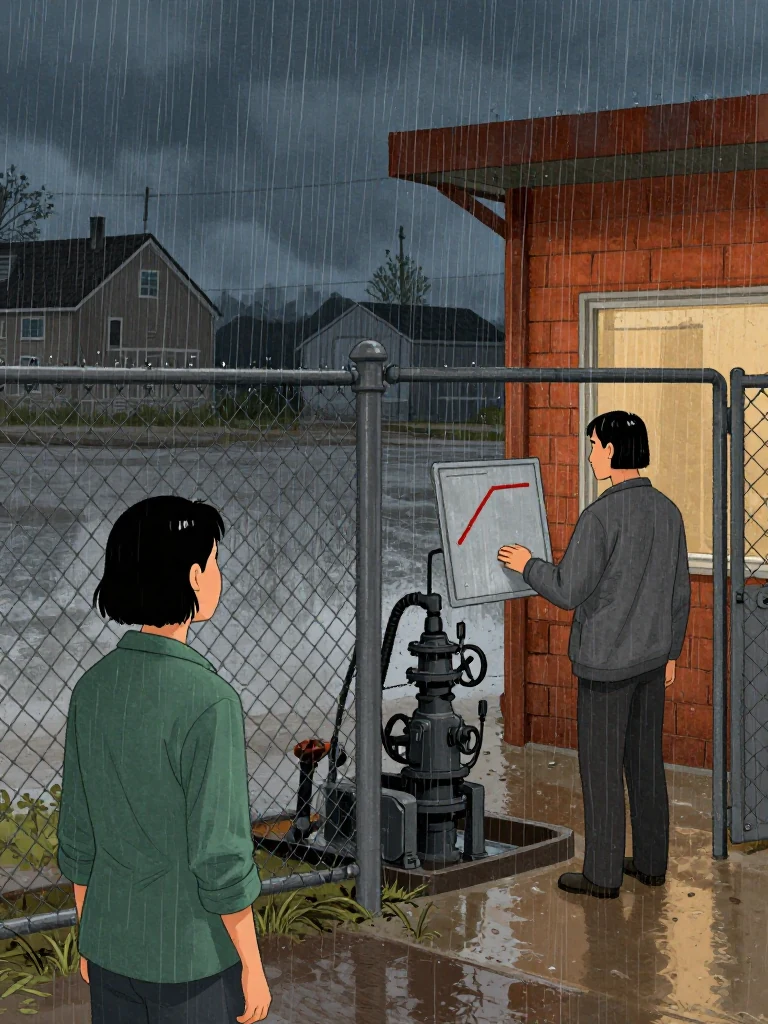
The sirens started at six-forty, from the seawall side.
Pump Station Nine sat at the low corner of the Lowfield ward, cinderblock and civil-defense stenciling, and by the time Noor got there the rain came off the flat roof like poured gravel. One pump was running. The sound of it was wrong — under the thrum was a rattle, stones in a can, the sound of water tearing itself apart inside iron.
Dev Kowalski from town works stood at the panel with a laminated card, doing everything right. He hit the restart on pump two. It caught, ran nine seconds like gravel in a can, and tripped again.
"That's three. Card says three, then call the county."
"The county's not coming tonight."
Deputy Fire Marshal Reyes came through the gate with a clipboard in a rain sleeve and took in the gauge, the pumps, and Noor at the fence line, in that order.
"You're the boatyard's engineer. The one from upstate."
The tide gauge's red needle climbed while he said it. Lowfield sat behind them in the dark, two hundred basements, the diner's whole street.
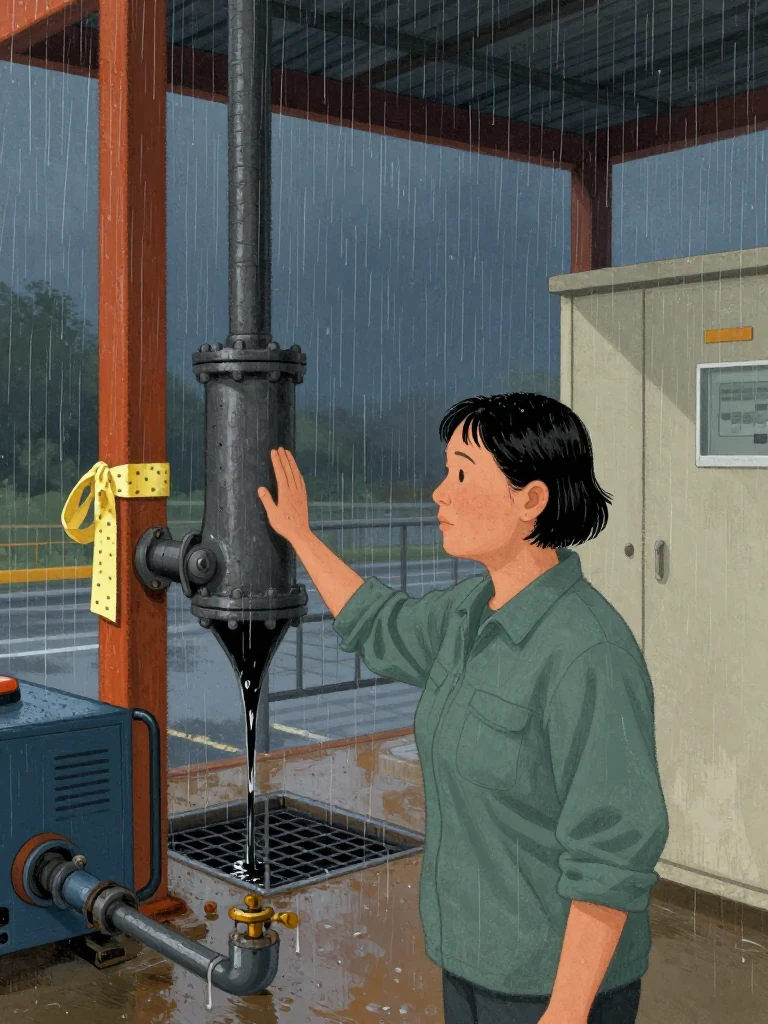
Noor climbed the fence.
"My name is Noor Haddad. My license is suspended, pending inquiry. I'm telling you that before I touch anything, and I want it in your report in those words. Everything I do tonight, you write down."
Reyes looked at her for exactly one breath.
"Emergency assistance at the scene commander's request. I'm requesting. Talk while you work."
Reyes wrote it down word for word.
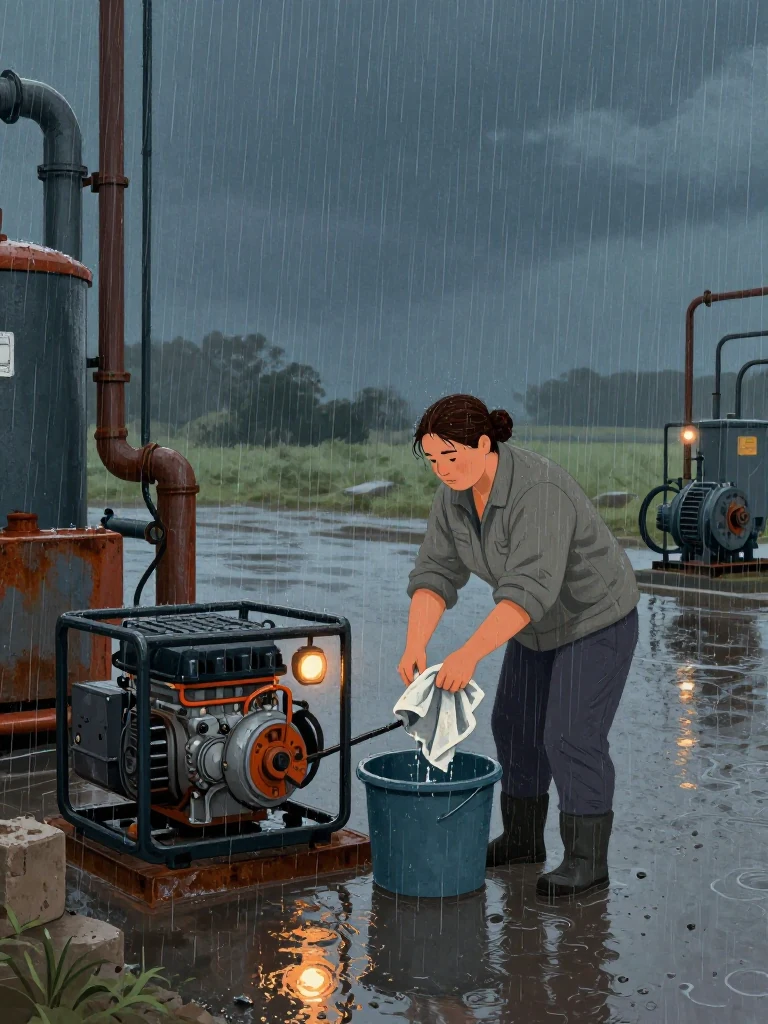
The station taught her its trouble in ninety seconds, the way failing things always confessed if you put a flat palm on them and listened. Pump one's casing buzzed gravel — cavitation, starving suction. Through the intake grate, black water turned a slow funnel: vortex, drinking air.
The backup generator ran rich and ragged, hunting — vapor in the line, heat and wet air and forty-year-old fuel hose. And pump two's control cabinet showed the real insult: the bonding strap to the frame hung sheared, its stub bright-pitted white where galvanic corrosion had eaten it thin and let it snap.
Three failures. Any one of them survivable. Together, on this night, at this tide, they were a drowning.
"Dev. How long till high water?"
"Ninety minutes, give or take."
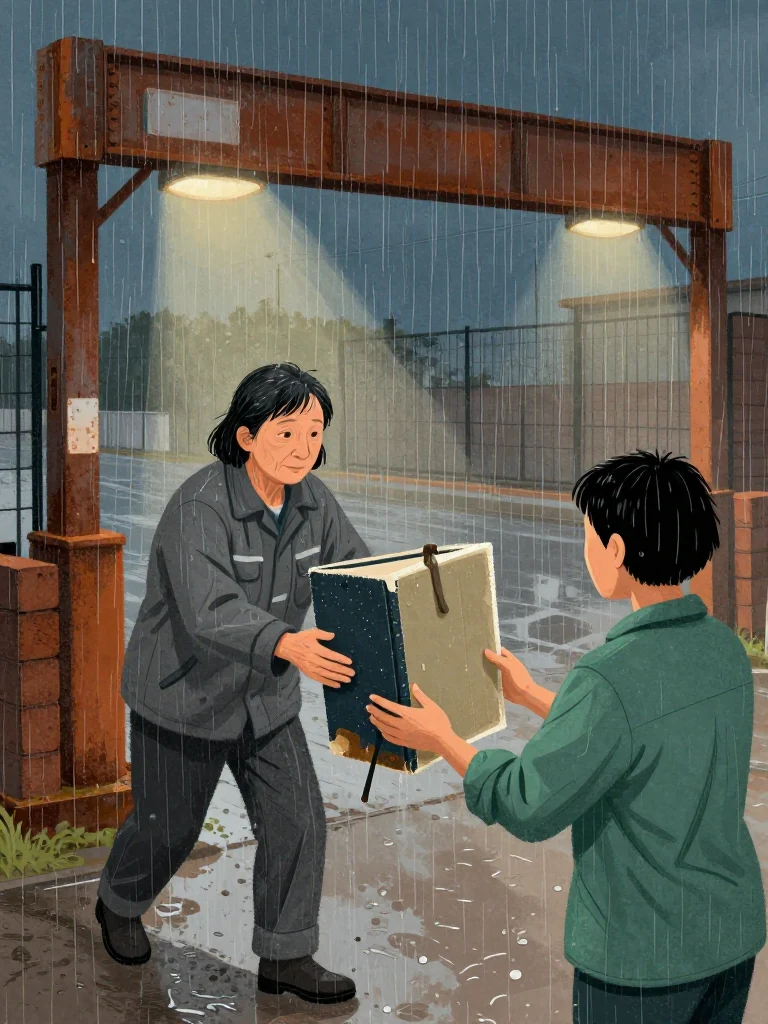
Headlights swung through the gate. Coral Marsh came through the rain with a tray of coffees nobody had ordered and a rain poncho over something square held against her chest.
She didn't explain and Noor didn't ask. Coral pushed the binder into her hands with both of hers.
The canvas cover was grease-dark at one corner, the way a thing gets when the same right thumb opens it for forty years. A pencil hung from the spine on a string. Noor stood in the rain with the whole weight of the man in her hands and had no time, none, to feel it.
She opened the index. His hand, block capitals, failure modes down the margin like a spine: SUCTION, AIR. FUEL, VAPOR. BOND, GALVANIC.
"Juno."
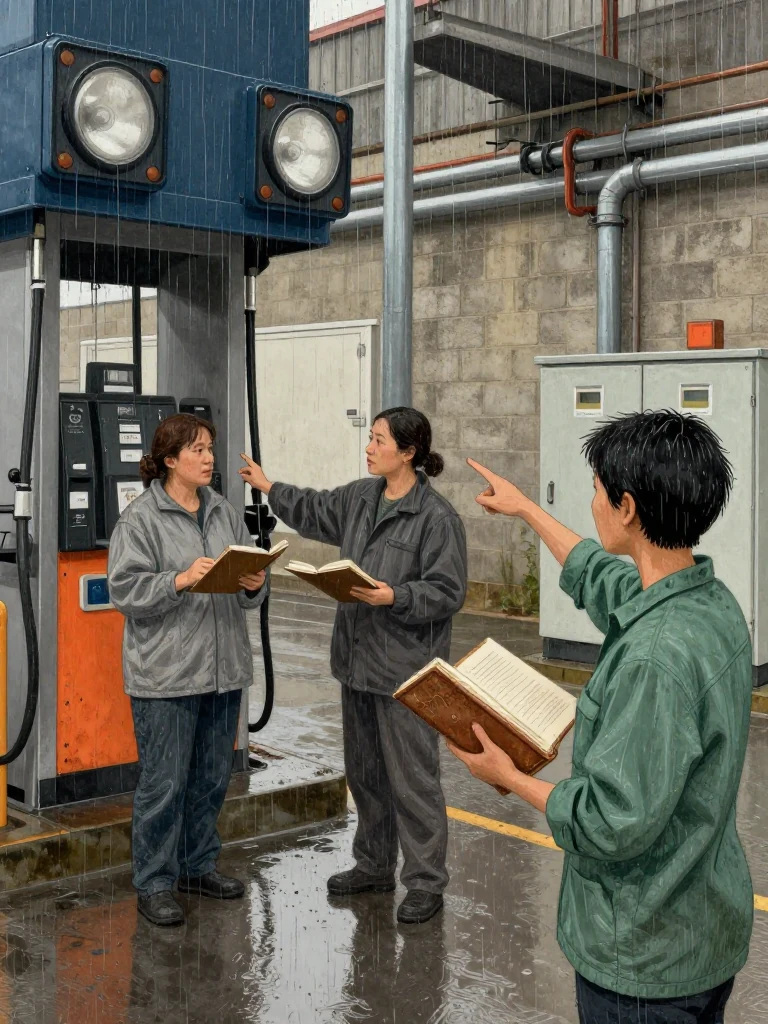
"Here."
She'd come with Coral's headlights, hood up, notebook already out.
"Three stations. Say it back as I give it."
"Say it back. Ready."
"Entry twelve, the baffle. Entry forty-one, the cloth. Entry seven, the zinc."
"Barrel lids from the yard truck go on the intake, lashed in a raft, break the vortex. Wet cloth goes on the generator's fuel line and stays wet — that's yours, kid, and the margin is the cloth: it dries, the lock comes back, you call it before it dies, not after."
"Zinc anodes from the crate bridge the sheared bond to the frame — zinc gives up its electrons first, same as a boat shaft. Dev torques the clamps. I float the raft."
She read it back twice, word for word.
"Margins."
Reyes had his pen ready, and it wasn't a challenge. It was a man building the record he wished he'd had all his life.
"The raft can shed a lid and still work — it's got slack. The cloth has none; that's why it gets a person. The zinc bridge is temporary by definition; it's sacrificial — it holds till the tide turns. After that it's a report, not a repair. Write that too."
They went to stations in the rain.
The raft went ugly and worked — six barrel lids and a cargo strap, and the funnel under the grate staggered, wandered, and drowned. The rattle smoothed into something the pump could survive. On the generator, Juno kept the cloth wet from a bailing bucket and called her times out loud, unasked, every five minutes. The zinc went across the sheared bond in two lashed bars, and pump two's cabinet came back from the dead with a click Noor felt in her teeth.
For eighty minutes the station ran rough and alive, two pumps against a king tide, and the tide gauge's red needle slowed, stood, and started, very slightly, to fall.
Nobody cheered. Dev poured the coffees. Juno called a time. The river took its water back an inch at a time, and Lowfield's two hundred basements stayed dark and dry behind them.
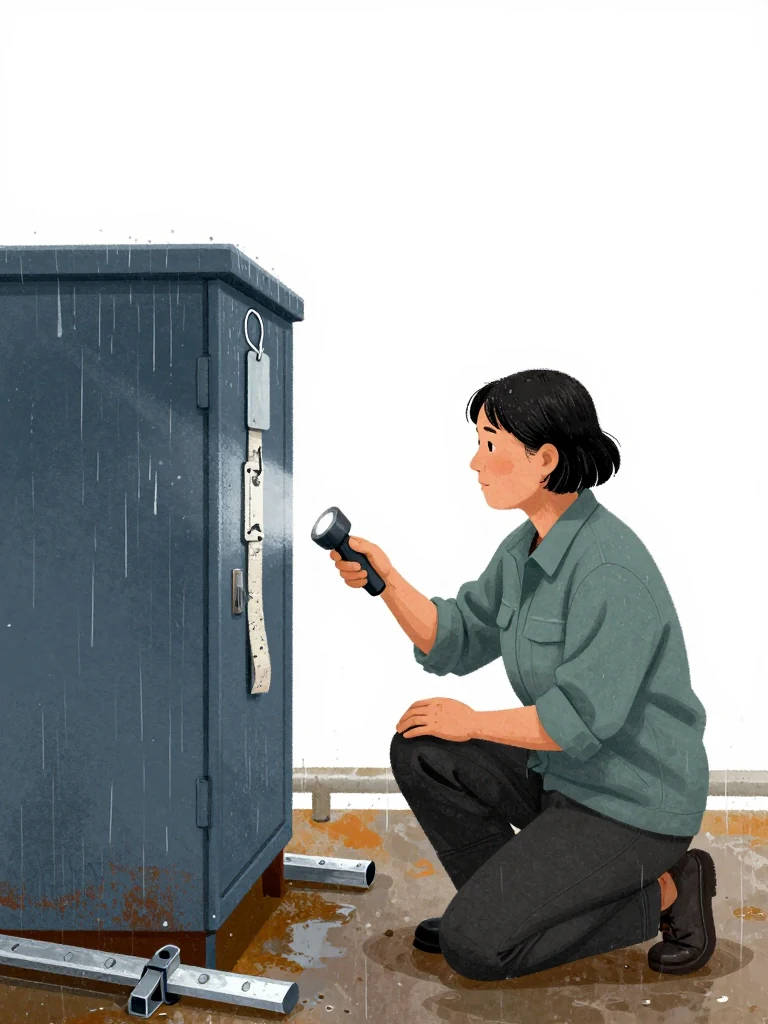
The tide turned at nine-fifty. Noor made them leave everything in place until she'd photographed it — the raft, the cloth, the zinc, all of it evidence of its own temporariness — and then she went to secure the sheared strap for Reyes's report.
The strap's stub was pitted white and thin as a fingernail. She photographed it in place. Then she stopped.
There was a tag on it.
Aluminum blank, county seal, two-line service format, wired neatly to the strap the way a professional wires a tag. Dated. She read the date three times in her flashlight, because it refused to become sense: three weeks ago.
"Dev. When did the county last service this station?"
"They didn't. County dropped Nine from the route two years back. It's been ours on paper and nobody's in practice."
"The county stopped servicing this station two years ago."
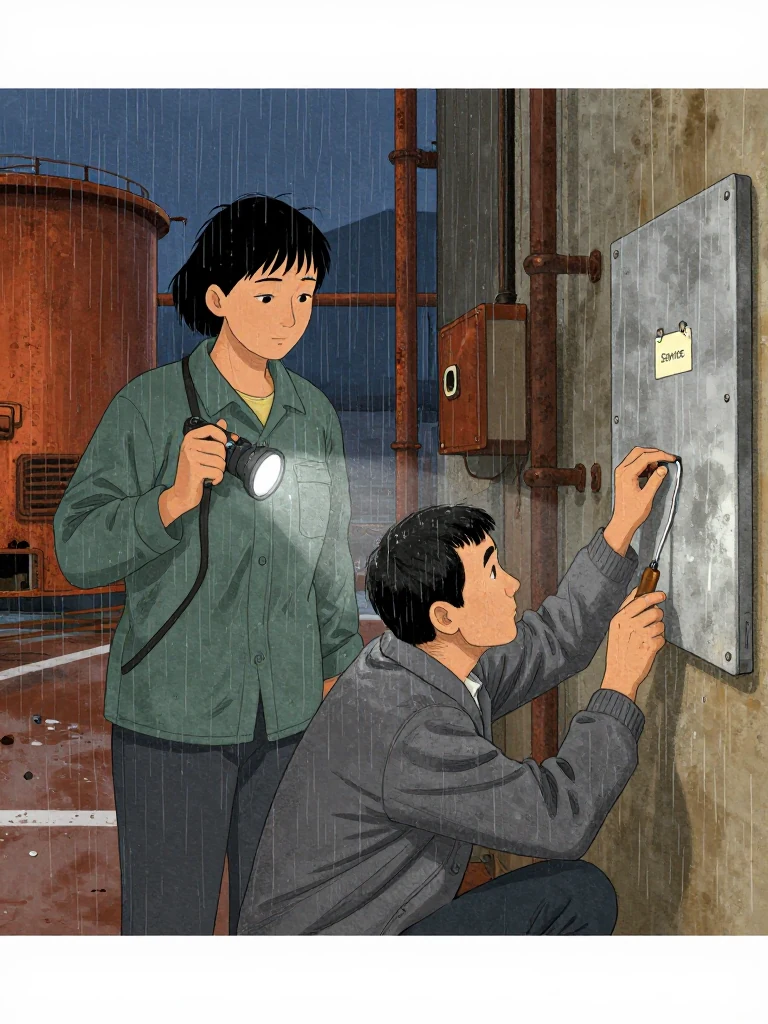
"That's what I said."
"Then whose tag is this?"
Dev came and looked, and got very quiet. Reyes came and looked, and his pen tapped the clipboard three times.
"Could be old stock. Mislogged. County paperwork's a landfill since they went digital."
"It's dated three weeks ago, Marshal. The wire's not weathered. And it's on the one component that failed by corrosion — on a strap that somebody would've had to look at, close, to tag."
"You want me to write sabotage on a form because of a tag."
"I want you to take the tag into evidence, photographed where it hangs, and write pending. That's all. An anomaly that dies outside the record dies for good."
Reyes looked at the flooded ward that hadn't flooded, and at the woman his form had no box for, and he bagged the tag.
Inside the station door, out of the rain at last, Noor found what she hadn't had time to see: Gideon's grease-pencil dates climbing the steel like a growth chart, forty years of them, initials and dates, the last one eight months old. The column just stopped. The way a heartbeat chart stops.
She opened the binder to file the three entries home, because entries went back in their places — that much of the method she'd understood before she knew it was one. Near the back, past a hundred numbered fixes, the last entry had a heading and half a materials list and then nothing.
Entry 112. Grain elevator — bearing failure, 2017.
The materials list stopped mid-line. The pencil was still tied to the spine.
Outside, the rain had settled into ordinary rain, and somewhere in town there was a hand that wired county tags to dead equipment, neat as a professional, three weeks ago.
Noor closed the binder and stood a while with her palm flat on the cover, listening, the way you listen to a thing that is about to tell you how it fails.