12 panels · Automated checks complete
Six days after the amended ruling, the council office posted Odile Calder's motion in the glass case beside the ferry schedules, and Port Lassiter learned that the redevelopment vote had moved to festival week.
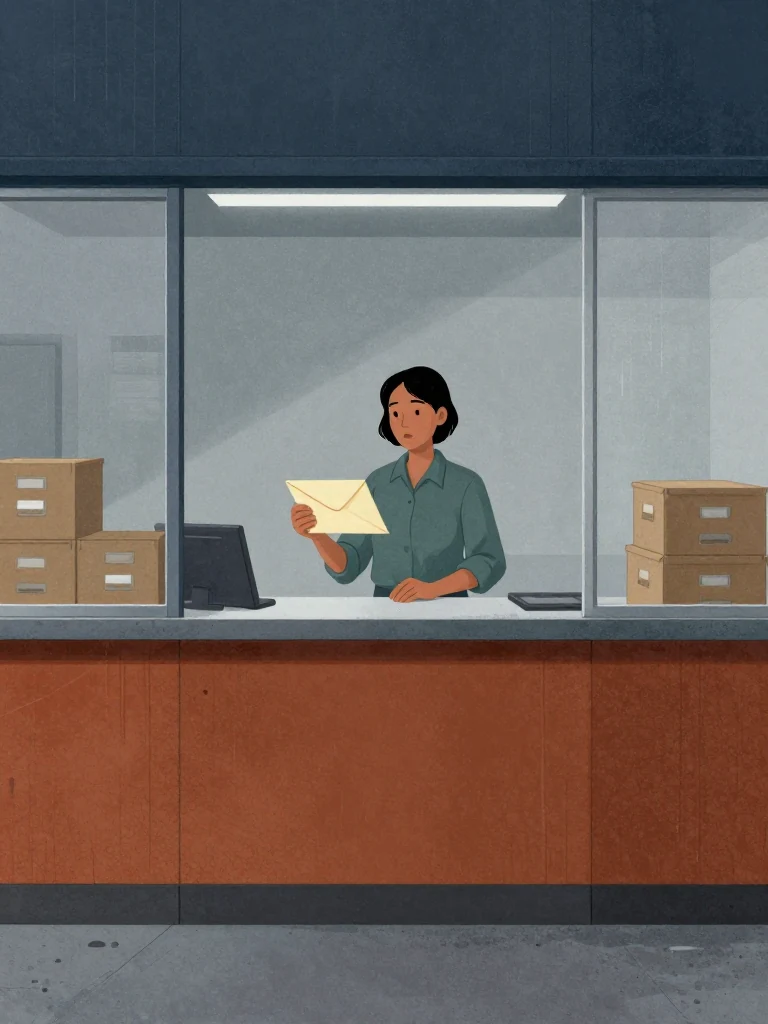
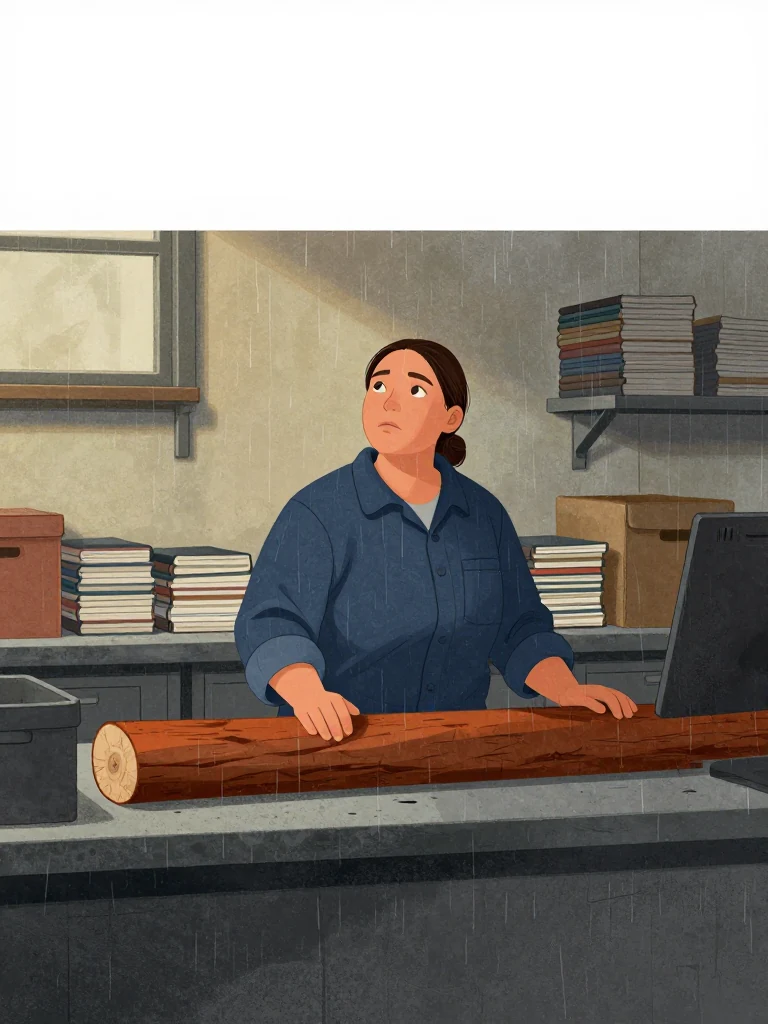
Noor read it twice on her way to the county annex, where a second piece of paper was waiting to take the week's other kneecap. Her records request — elevator-era engineering files, inspection reports, contractor logs, filed with Reyes's amended ruling attached as cause — came back in a printed envelope with a printed answer.
"Pending digitization. Estimated availability: six months."
She read it aloud to the clerk, in case saying it made it different.
"Six months. The vote's in four weeks."
"I don't set the schedule, ma'am. The elevator boxes are in the Pollard Street warehouse. Nothing from before 2011 has been scanned."
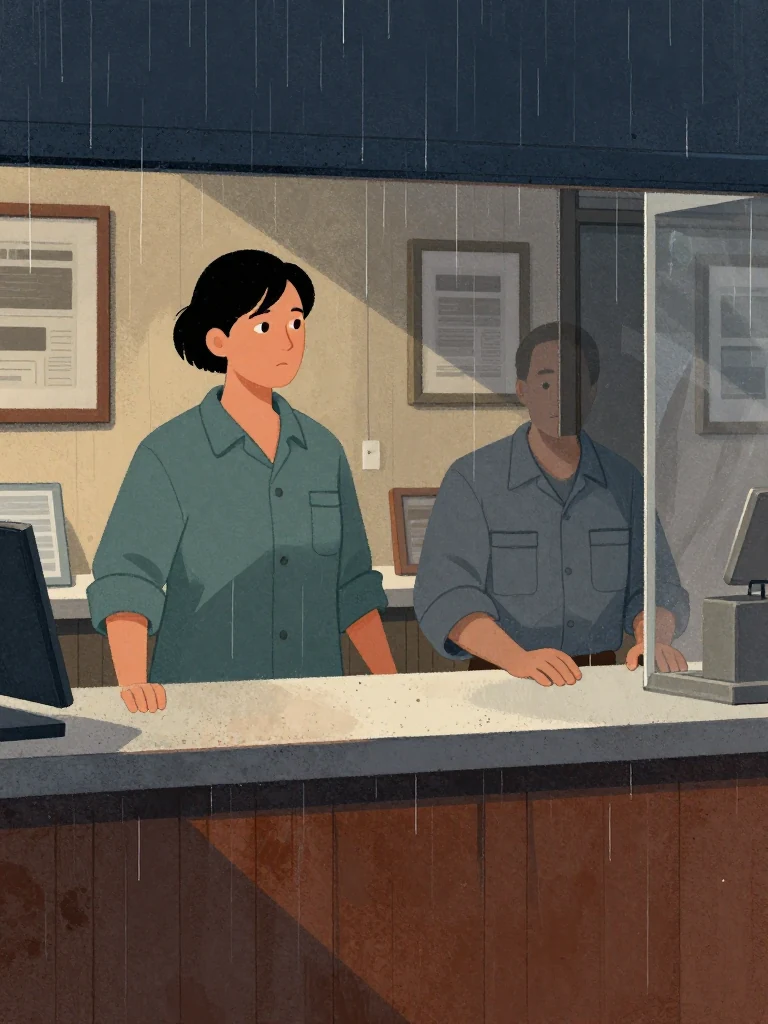
"Can I see the boxes myself?"
"Not without an access order. County counsel's been strict since the consolidation."
"Who signs an access order?"
"The county engineer's office. Current turnaround is — honestly, ma'am, I'd say six months."
"So the paper road and the warehouse road both come out after the vote."
"I don't know anything about a vote. But yes."
The clerk was maybe twenty-five and plainly sorry, and sorry enough to turn her screen a few degrees, which is how Noor came to read the request log. Her own request sat at the top. Below it, separated by eight empty months, sat another line, same records series, same warehouse, status still marked OPEN.
Requester: G. Marsh.
"He came in twice about it. The gentleman. I remember because he wore a tie, and then we heard he'd passed."
The date on Gideon's request was four days before his death, and Noor stood in the annex lobby doing arithmetic she did not want, because there are coincidences and there are coincidences with teeth.
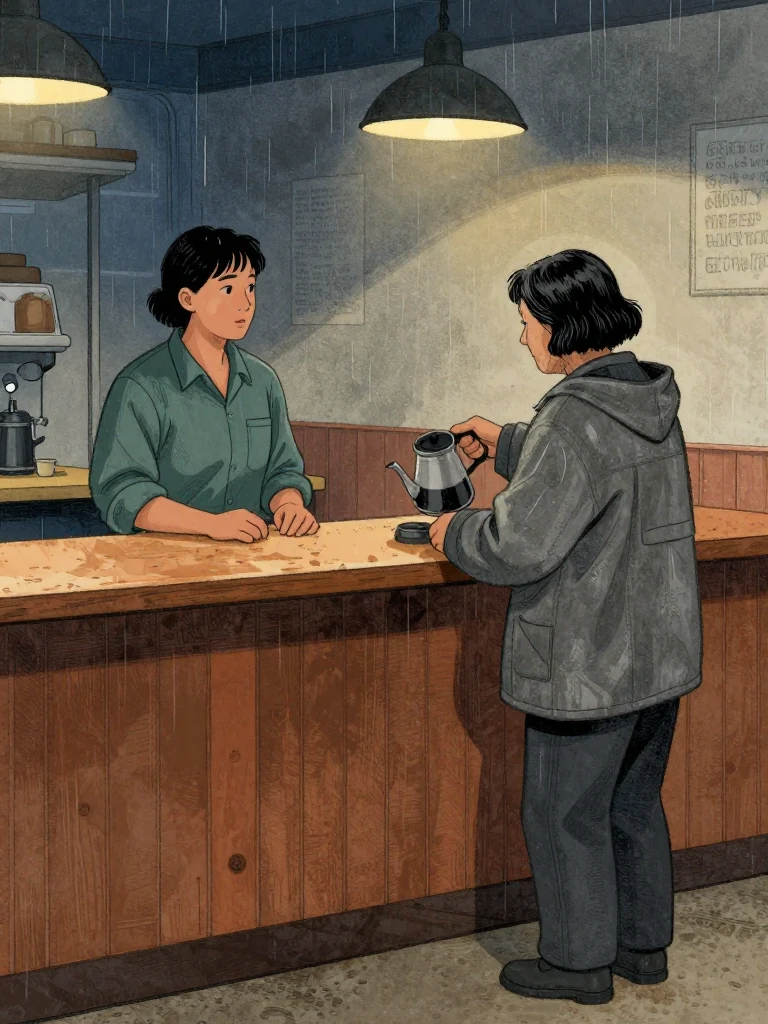
She took it to the diner, because everything in this town eventually went to the diner. Coral listened with the coffee pot in her hand and did not pour.
"He drove to the county twice that week. Wouldn't say why. I thought it was about his pension."
"It was about the elevator, Coral. He asked them for the files, official, on paper. Nobody ever answered him."
Coral set the pot down. She looked at the pass-through to the kitchen, and past it, at a door Noor had never seen open, and made the decision the whole season had been waiting on at exactly her own speed.
"He wrote something down every day for forty years. Start with the year the elevator fell."
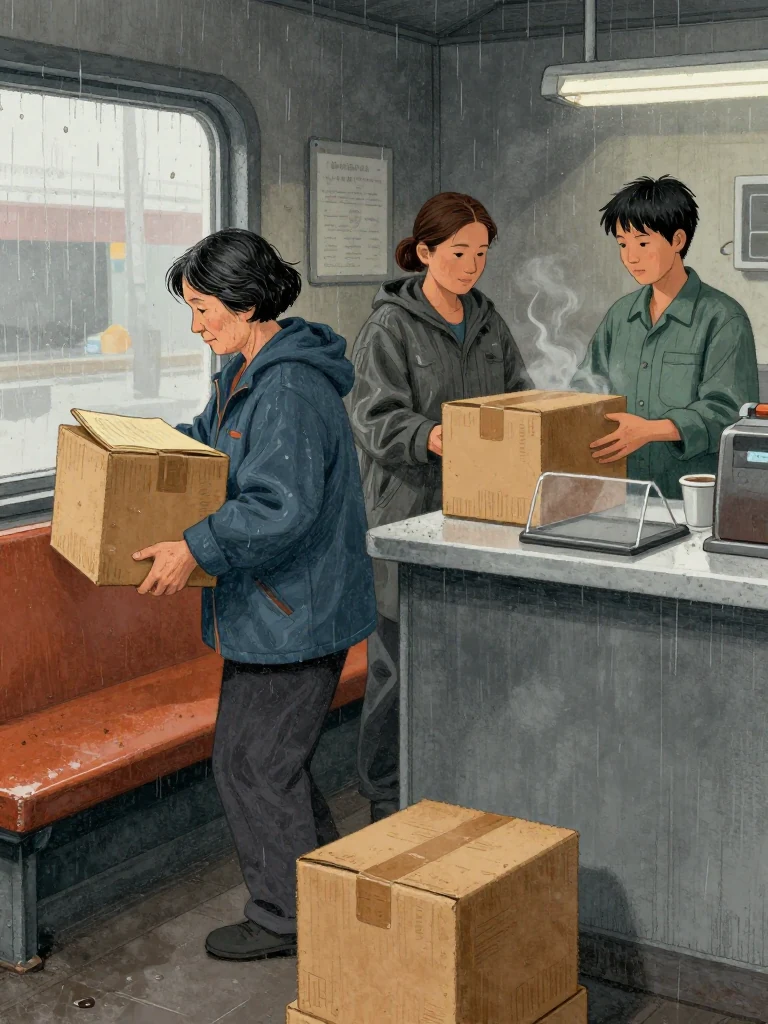
The back room smelled of box dust and fryer oil. Site notebooks, spiral and board-bound, labeled in grease pencil by year, stacked in liquor boxes to the ceiling — a parallel town, kept by hand.
Coral carried the boxes out herself, two at a time, and set the rule without saying it was a rule: she read each notebook first, at the window seat with her coffee going cold, and then handed it over. Some pages she read twice. One drawer in the room's old desk had a lock, and she did not offer it, and Noor did not ask.
Juno set up the inventory log on the counter and adopted Gideon's own format without being told — box, book, page, note — her capitals going squarer to match his.
Coral read one page aloud before she would hand anything over. Nineteen ninety-four, a dock repair, and a line at the bottom about gulls supervising the work and billing in fries.

"He billed the gulls. Forty years and I never got to read a word of this."
"You can read all of it, Coral. That's yours. We only need the margins."
"Then take the margins, and leave me the man."
That was the deal, struck in one exchange, never renegotiated. Juno's log opened for business ten minutes later.
"Box nine, notebook four. Margin note, tag number 0141. Logged."
That was the first one. It was not the last. Through the afternoon the pattern assembled itself in the margins of nine years of ordinary maintenance notes: small boxed numerals, always in the outer margin, always beside an entry about a repair that had come sooner than it should have. Tag numbers. Gideon had been logging the series since its first strike — culvert grates, a davit winch, the elevator's sister hoist — each with a date, each with a number, each silent.
And beside the davit entry, in capitals gone small: ENTRY 112 WHEN CERTAIN. NOT BEFORE.
Juno looked up from the log.
"He knew. The whole time we're chasing this, he already had the catalogue."
"He had the numbers. He wanted the cause. He wasn't going to write the last entry on suspicion."
"That's you. That's exactly you and the two rigs."
"It's where I learned it."
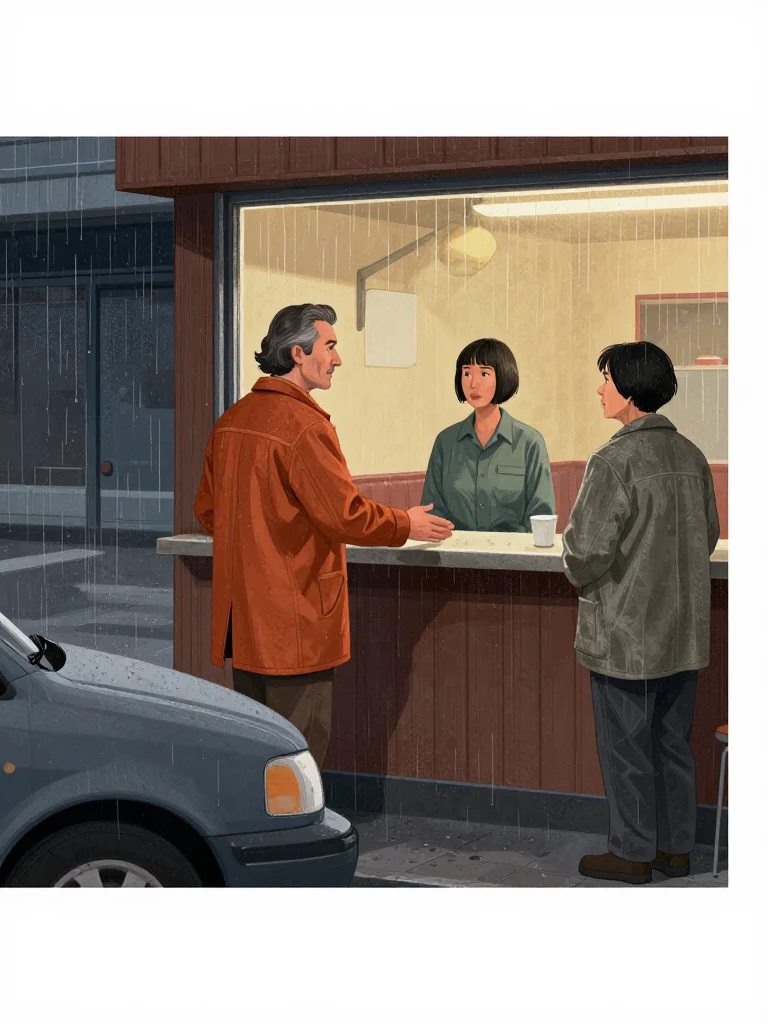
The town car came at four. It idled at the curb too quietly for its size, and the man who came in wore the kind of coat that never gets wet and asked for Coral by name, with condolences that were eight months late and correctly pitched anyway. Then he turned to Noor as if just noticing her, which he was not.
"Marcus Hale. I did asset engineering for the county, years back — your Mr. Marsh and I were liaisons, once. I consult now, upstate. You'd be Ms. Haddad."
"I would."
"I've followed your autumn. Professionally, I mean. A floating baffle out of barrel lids. Trim readbacks from a teenager. And that reproduction — two rigs, one variable. Clean work."
Noor kept her face at the temperature of the counter. The baffle had been in the paper, barely, without the barrel lids. The readbacks had never been printed anywhere. The rig had drawn a crowd, but one variable was her phrasing, said once, at the yard.

"You've followed closely."
"It's a small field and a smaller county. Which is my errand, actually. My firm needs a field-failure specialist. The work is statewide, the license question is solvable — we retain counsel who does nothing else — and the salary is three times whatever the county ever paid you. References, relocation, start after the holidays."
"No."
"You're entitled to a better offer. Name the gap."
"There's no gap. No."

"May I ask why not? Purely professionally."
"Professionally? I have work here. There's a gangway pin waiting on a contractor, a pump station on borrowed fixes, and an inventory to finish."
"An inventory."
"Of a friend's effects. Small-town work. You remember how heavy it gets."
Hale smiled like a man confirming a measurement he'd already taken, paid for his coffee, left a tip that was exactly twenty percent, and said one more thing at the door, gently, to the room in general.

"Towns like this are heavier than they look, Ms. Haddad. People break trying to hold them. Marsh did."
The car left no sound behind it. Juno let out a breath.
"He knew about the readbacks. Nobody printed the readbacks."
"I know."
"And you just — no. Flat. I thought you'd at least fish."
"Fishing costs. He came to buy heat or fear, and price them. He got a no worth nothing. Cheapest thing I've said all month."

Coral had not moved from the window seat through any of it. Now she came to the counter carrying one notebook apart from the boxes — board-bound, the year the elevator fell, the writing inside smaller than any other year, as if the hand had been trying not to be overheard by the page.
"This one you read here. With me."
The elevator year. Ray Ostler's funeral week took four pages; Gideon had been the one who found the hoist brake's shavings in the pit, and the county finding — structural fatigue, no fault assigned — took one line, boxed, with no commentary, which from Gideon was commentary. And marking those pages like a bookmark, folded once, carbon-copy blue: a county records-request receipt. Same records series Noor had requested. Same warehouse. Dated four days before his death.
He hadn't kept the receipt in a file. He'd kept it in the elevator year, at the page where the finding was, the way you keep your thumb on a sentence you intend to argue with.
Noor laid it on the counter between the three of them — Coral's boxes, Juno's log, the blue receipt — and named the day's yield the way she named a bundle, because that was what it was.
"The notes date the series. The die dates the theft. The receipt dates his silence breaking."
"Nine years he watched. Nine years he wrote numbers in margins and smiled at my counter."

Coral said it to the coffee pot, not to them.
"He wasn't certain, Coral. He wouldn't move before certain. And the week he finally decided to be certain — official, on paper, with a tie on —"
Noor stopped, because the end of the sentence was a door none of them could see behind.
"He died Thursday. Heart. In the truck, at the yard gate. They said it was quick."
"The request is dated Monday."
Nobody said anything after that for a while. Juno logged the receipt — number, date, series — with her capitals gone very small, and Coral washed the coffee pot that was already clean, and outside the window the harbor did its evening arithmetic with the light, late October giving the water back earlier every day.
The hearing was eleven days out. The vote was four weeks. Somewhere upstate a man who knew about readbacks that were never printed was writing her refusal into a plan she couldn't see yet — and in a locked drawer four steps behind her, something of Gideon's was still waiting for whatever certain was supposed to feel like.